 9800+ TRUSTPILOT REVIEWS


 EN
EN DE
DE FR
FR NL
NL
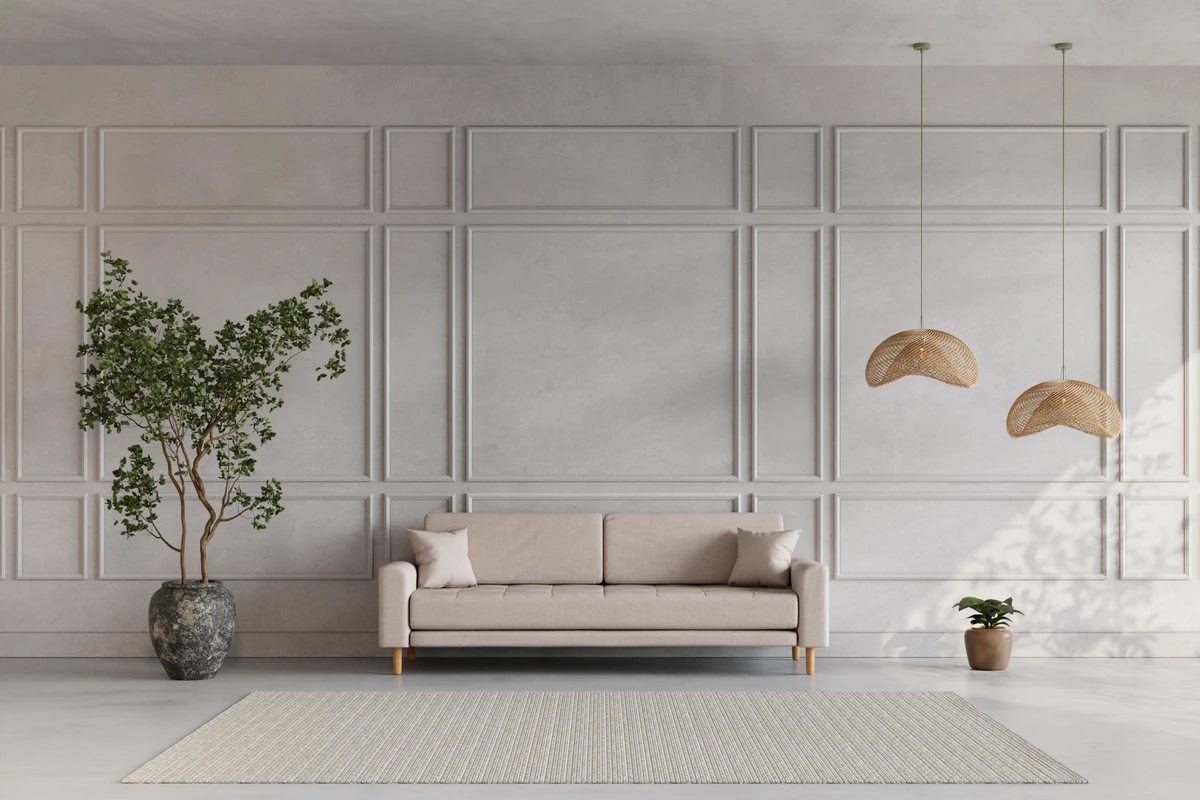
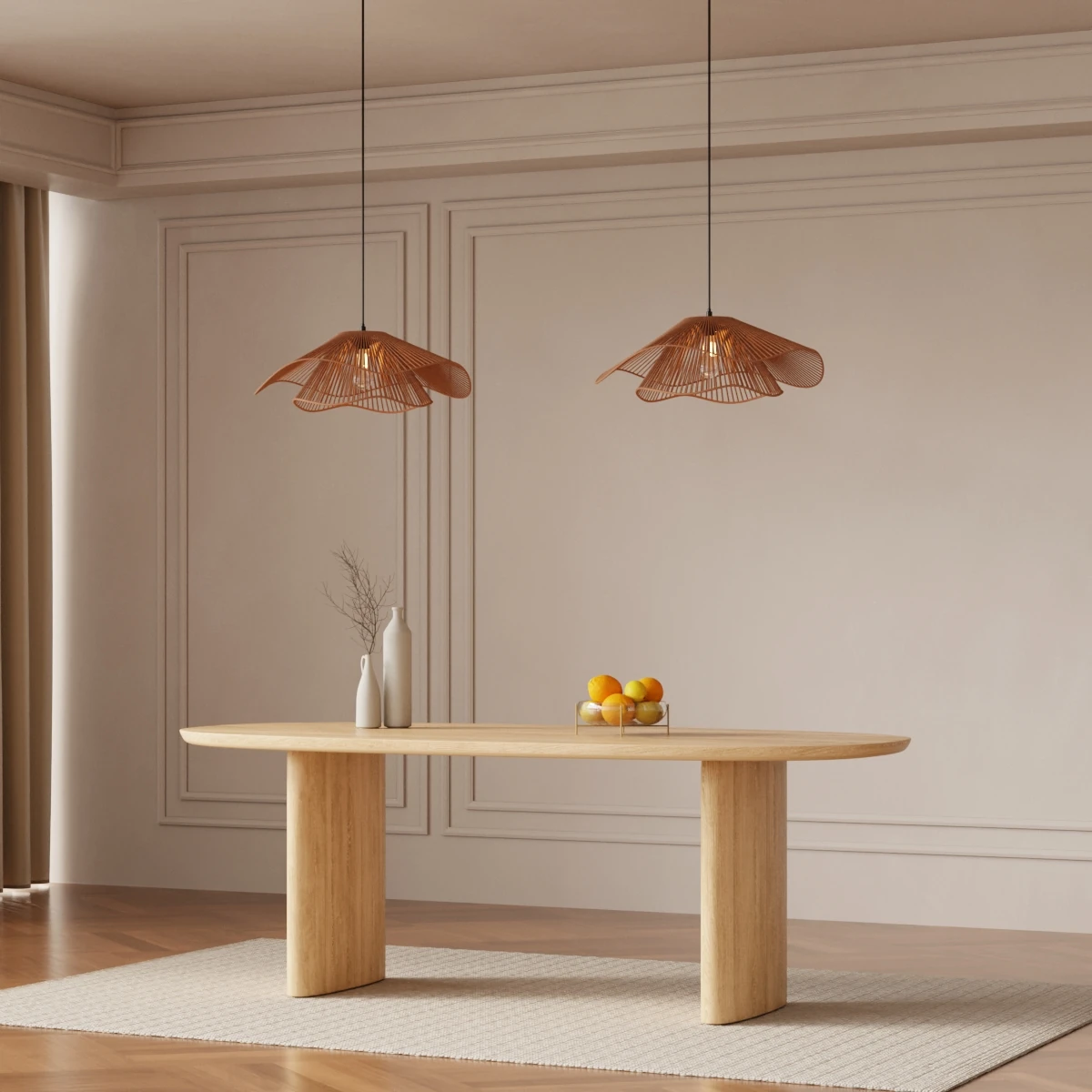
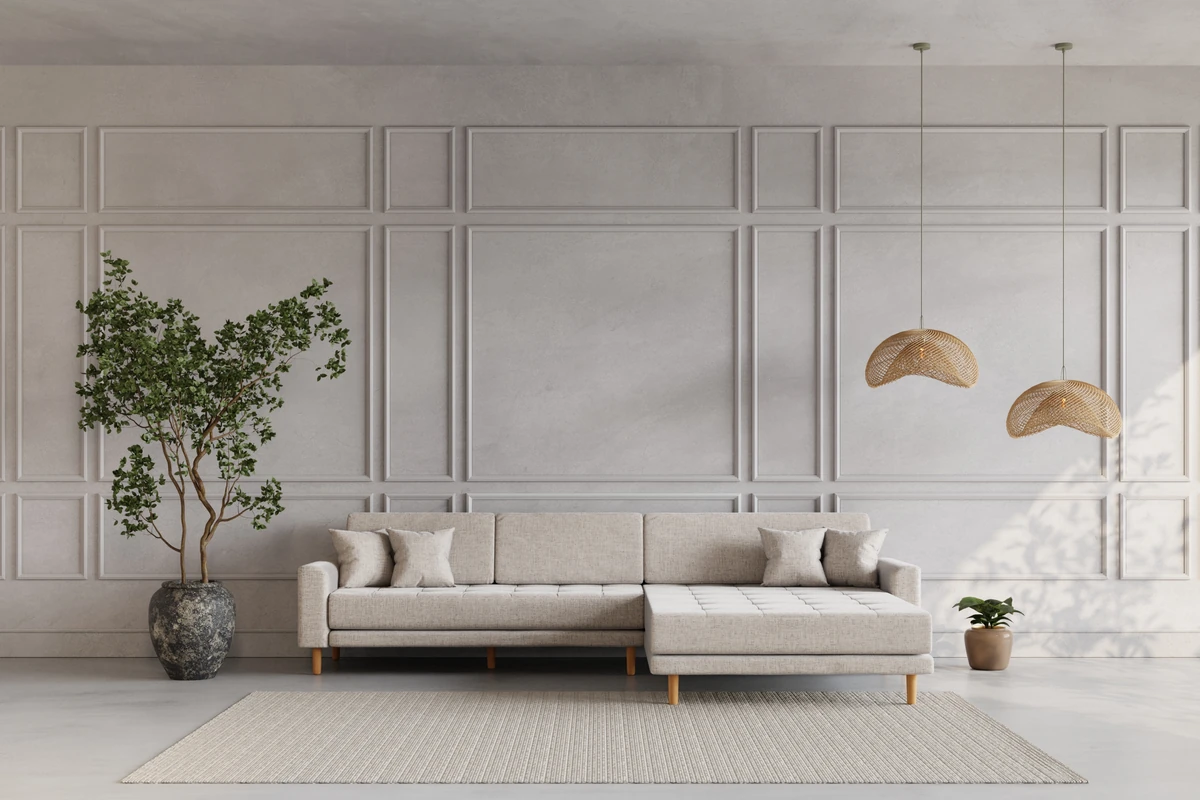
Japandi living-room furniture is less a look than a stance: low seating, light solid wood, three or four materials in the room, a floor that stays visibly open. It is the calmer version of a Scandinavian living room, with Japanese asymmetry and a tighter palette.
This guide covers which pieces actually carry a Japandi living room, how to size them for typical apartments (Berlin Altbau, Paris haussmannian, Amsterdam canal house, smaller new-build flats), and which specific Furnicher pieces hit the style cleanly without the room turning into a showroom set.
What makes furniture Japandi
Four traits repeat in every Japandi living room that actually works. They are not style rules but consequences of mixing Japanese restraint with Scandinavian warmth.
- Low profile: sofas at 38 to 42 cm seat height, coffee tables at 30 to 38 cm. Eye line stays level with the wall, not the ceiling.
- Light solid wood: oak, ash, or beech, oiled or matte-lacquered, never glossy. Veneers get avoided because the Japanese eye wants to read the grain.
- Three or four materials: wood, a textile sofa (bouclé, linen, undyed cotton), one natural-fibre element (rattan, paper cord), and one black or dark accent (lamp base, picture frame).
- Deliberate open floor: at least 40% of the floor stays visible. No piece sits in a spot it cannot justify.
Hit all four and you have Japandi. Hit three and you have a good living room with an Asian inflection. That is also fine.
What actually needs to be in the room
A Japandi living room runs on fewer pieces than a standard living room. These five carry the style. The rest is optional.
The low sofa
The most important piece. Back rest flat and continuous, legs slim (4 to 6 cm) in light wood or black metal. Upholstery in bouclé, linen, or undyed cotton. Sand tones, warm grey, or off-white.
Sizing: 2-seater from 180 cm for living rooms up to 18 m². 3-seater (220 cm) only above 22 m². Depth 90 to 100 cm; deeper reads heavy.
The flat coffee table
Solid wood, usually oak or ash, with visible grain. Round (Ø 80 to 100 cm) or rectangular (110 × 60 cm). No glass, no high-gloss finish.
For a stronger Japanese reading, choose a very low table (30 cm) over a floor mat. The more Scandinavian variant goes up to 38 cm.
The accent chair
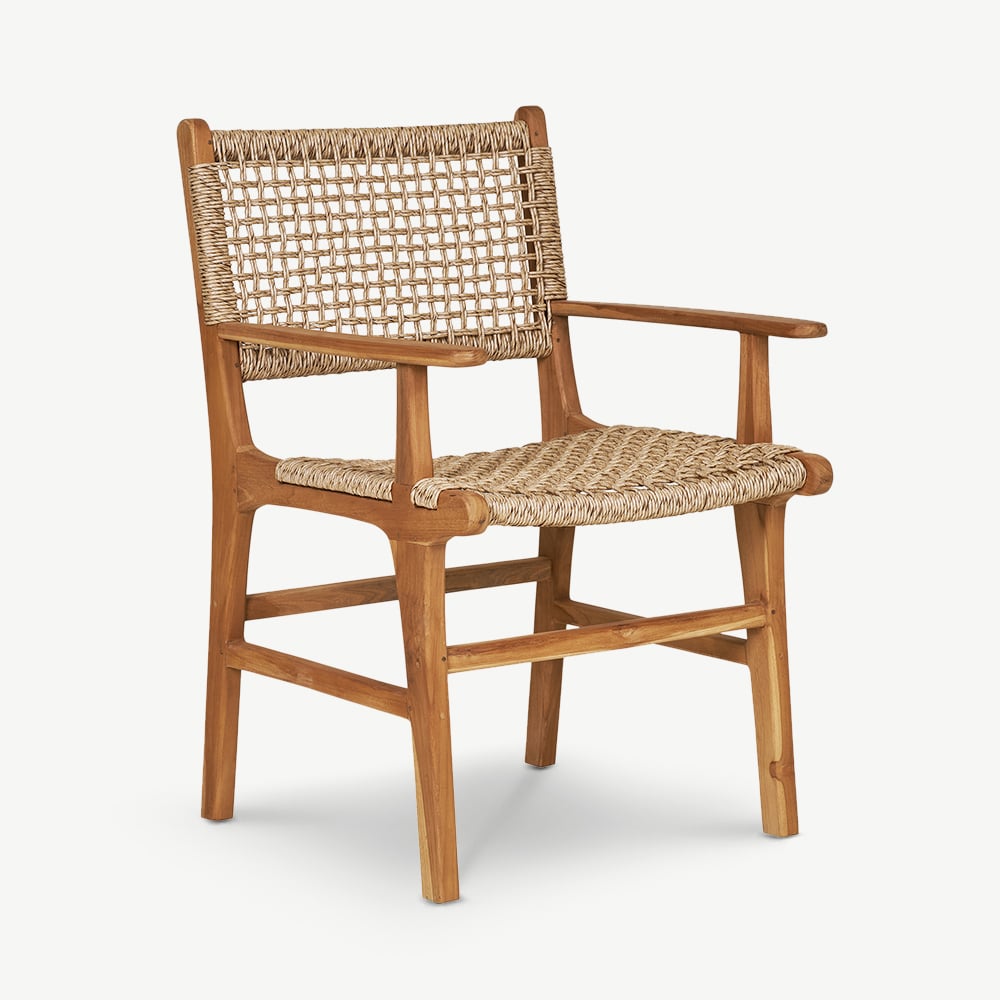
One per living room is enough. A rattan chair like the Furnicher Scandi or Jenson brings natural-fibre texture; a bouclé chair brings softness; a cognac leather chair brings the black anchor in the room's material vocabulary.
It sits in a corner with a small side table and a reading lamp, never centred. That is the Japanese asymmetry.
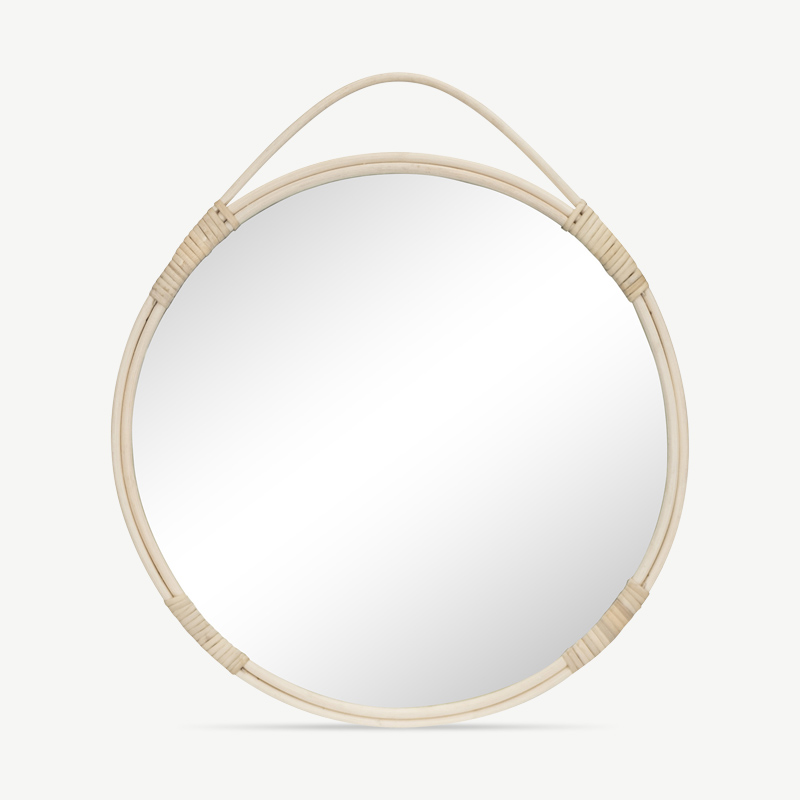
Featured in this guide



What fits in which room
Japandi furniture is low but not small. A 220 cm sofa still dominates an 18 m² living room. These sizes come out of 120+ Furnicher deliveries to apartments.
| Living room size | Sofa | Coffee table |
|---|---|---|
| 14 to 18 m² (small city flat) | 2-seater, 180 to 200 cm | Round Ø 80 cm |
| 18 to 22 m² (standard Altbau) | 2.5-seater, 200 to 220 cm | Round Ø 90 cm or 100 × 55 cm |
| 22 to 30 m² (large Altbau, new-build) | 3-seater, 220 to 240 cm | 110 × 60 cm |
| 30+ m² (loft, open plan) | 3-seater plus armchair | 140 × 70 cm or two small |
The number that matters more than sofa length is the gap to the coffee table (35 to 45 cm of leg room) and to the next piece (75 cm walkway minimum). These hold regardless of room size.
Where Japandi living rooms go wrong
Japandi looks simple in Pinterest images. In practice the style tips in three directions, all of which look similar at first and all of which fail.
Which piece to buy first
Start with the sofa, then the coffee table, then everything else.
The sofa sets the tone for the rest of the room. Until it is in place, the coffee table, accent chair, and lighting cannot be chosen sensibly. Buy in reverse order and you end up with a set of nice individual pieces that do not work together.
Browse our Japandi living collection. Sofas start at €549, coffee tables from €149, rattan accent chairs from €199. Every piece in the collection is matched so the material palette holds from the first purchase.
For seating in detail read our guide to Japandi chairs and our piece on Japandi armchairs. To understand the style from scratch, start with what is Japandi style. For the dining setup that goes with it, see our dining tables guide; for the Scandinavian roots, read the Scandinavian furniture guide.
Frequently asked.
What furniture goes in a Japandi living room?
A low sofa (seat height 38 to 42 cm), a flat coffee table in light oak or ash, a single accent chair in rattan or bouclé, a small side table, and a floor lamp with a paper shade. That is enough. Japandi is intentional reduction, not full coverage.
What colours work for Japandi living-room furniture?
A warm, muted palette: off-white, sand tones, warm grey, a single light wood (oak or ash), and one black anchor. Pure whites read too Scandinavian; pure earth tones read too rustic. Three to four colours total is plenty.
What sofa height is right for Japandi?
Japandi sofas sit at 38 to 42 cm seat height, around 6 to 8 cm lower than a standard sofa. The low seat opens up vertical space and matches the Japanese half of the style. Legs are slim (4 to 6 cm), usually in light wood or black metal.
Does Japandi work in small living rooms?
Yes, particularly well. Low furniture makes rooms under 20 m² feel taller, and the small piece count gives each piece room to breathe. Use a 2-seater (180 to 200 cm) rather than a 3-seater, and keep the coffee table under 110 cm. Berlin Altbau living rooms and Amsterdam canal-house front rooms suit it especially.
What materials define Japandi furniture?
Solid light wood (oak, ash, beech), rattan, bouclé, natural linen, undyed cotton, paper cord, and black metal. Gloss is avoided: matte lacquers, oiled finishes, tight-weave textiles. Mix three to four textures per room; more reads busy.
How is Japandi different from Scandinavian?
Scandinavian is brighter, more symmetrical, and leans on oak and birch. Japandi takes that base, adds darker accents (black metal, smoked oak detailing), and arranges pieces asymmetrically. A Scandinavian living room reads friendly; a Japandi living room reads quiet. Both share natural materials and restrained forms.
