 9800+ TRUSTPILOT REVIEWS


 EN
EN DE
DE FR
FR NL
NL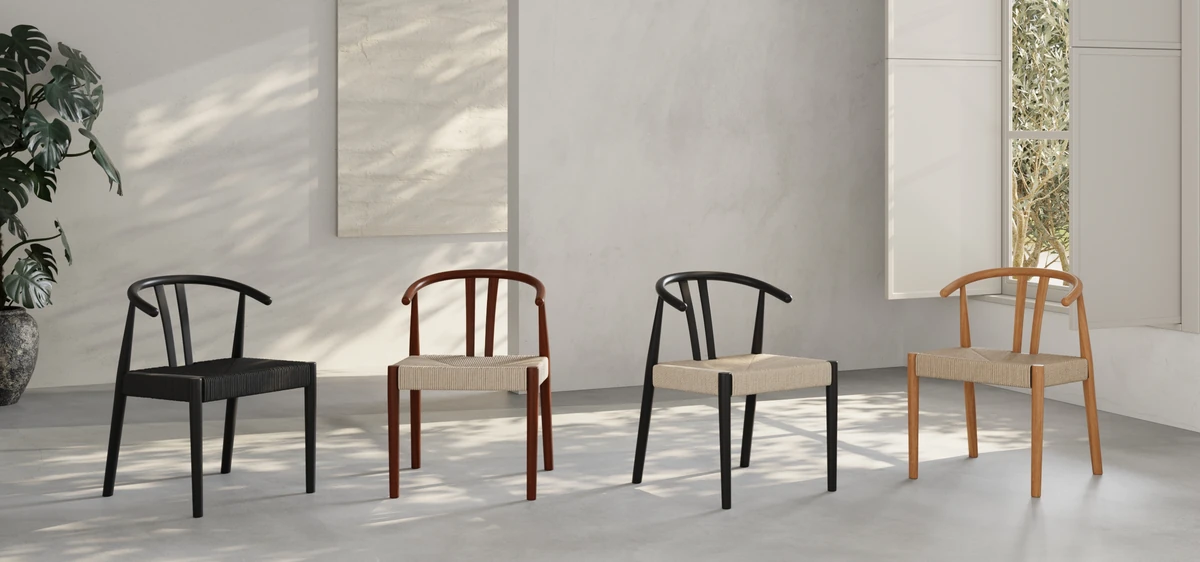
A Scandinavian chair in a 19th-century flat is not a forced import. It is a meeting between two traditions that share more than is obvious at first: restraint, attention to material, and a refusal to be loud. The challenge is not contrast, it is the fine tuning of the pairing.
This guide covers the practical question for buyers in older European homes: how to place a Scandinavian chair in a heritage flat, a small apartment, or alongside an antique oak table. Which woods work with which palettes, and how to spot a real Scandinavian design from a copy.
Why Scandinavian works in older European homes
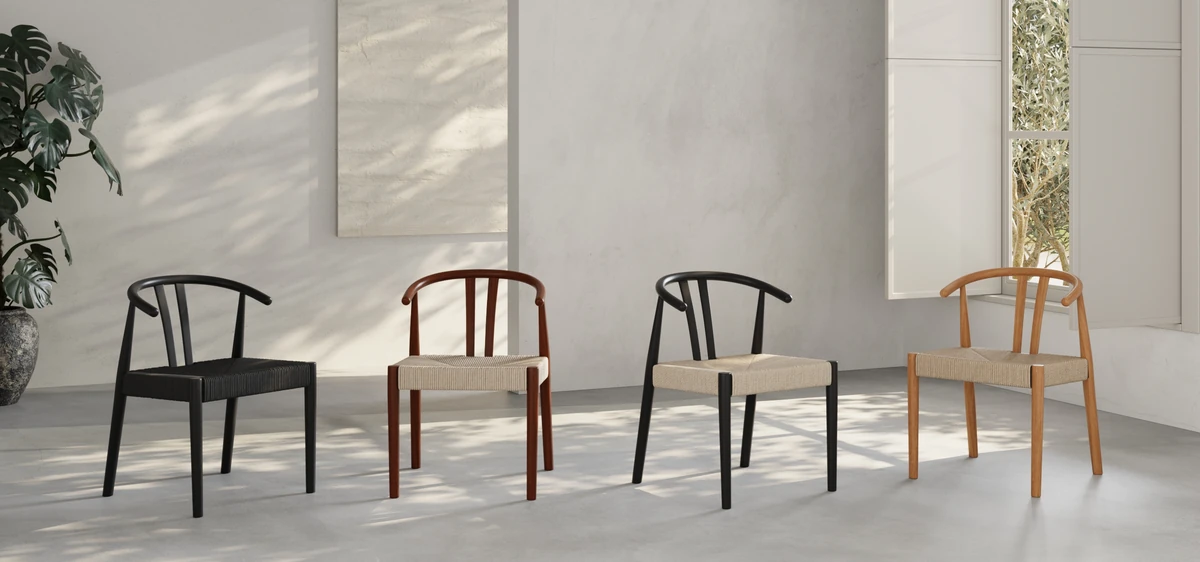
Scandinavian furniture and traditional European interiors from 1850 to 1900 share a core principle: the material does not hide. Mouldings, herringbone parquet, panelling, none of these try to disguise what they are. Neither do Wegner and Jacobsen chairs. The two aesthetics recognise each other.
The confusion comes from "Scandinavian" interiors as marketed in the 2010s: all white, grey floors, pale functional furniture. That is a commercial version, not the tradition. The real tradition allows dark rooms, patinated wood, antique pieces. It therefore fits older European flats that already have character.
- Ceiling heights: 2.8 m to 3.2 m heritage spaces accept fine Scandinavian lines without overpowering them
- Mouldings: dialogue with calm Scandinavian shapes more easily than with industrial furniture
- Antique parquet: oak or chestnut tones pair well with lighter Scandinavian oak chairs
Which chair for which interior
Three real situations where a Scandinavian chair earns its place, and the model that suits each.
Small city flat
Limited space, no separate dining area. Choose armless, stackable, visually light chairs. The Scandi (€89 to €119) or Peter (€119 to €149) are the right calls.
Avoid more visually present models (Jenson with rattan) which consume visual space in a room that is already at capacity. Four chairs maximum around a 120 cm table.
Heritage flat with mouldings
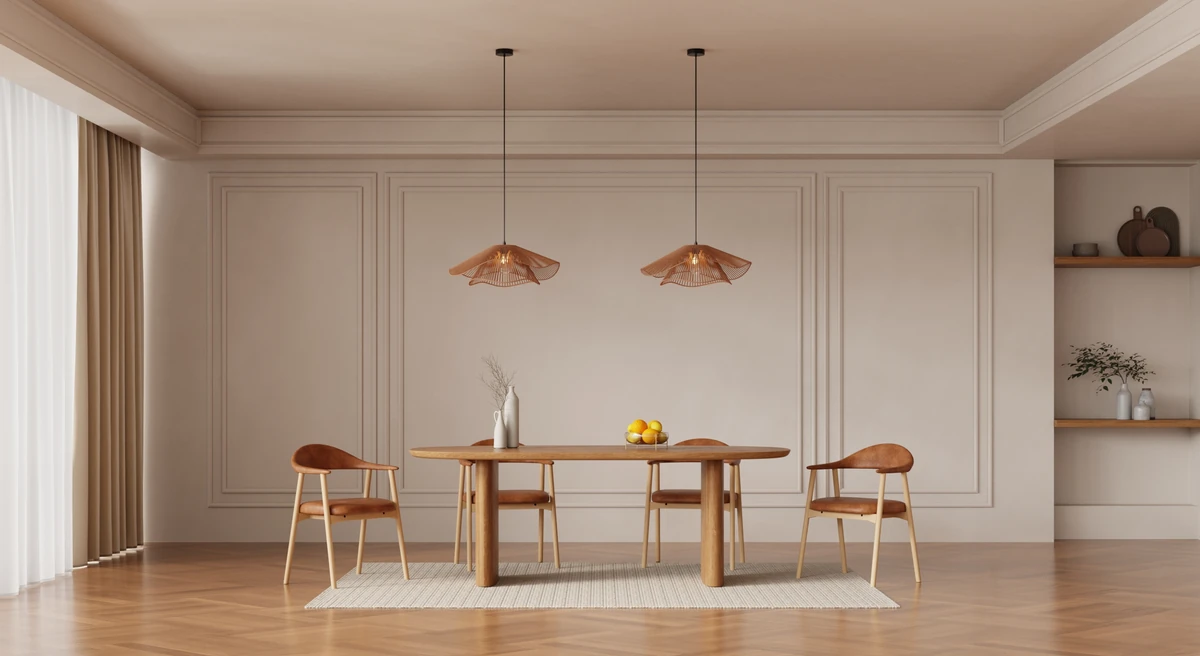
Generous volumes, mouldings, old parquet. Scandinavian chairs in cognac oak or dark ash sit better than very pale oak. Armed models like the Jenson find their place in these spaces.
Combining with a rough solid oak table or a marble-top builds the cross-tradition conversation that works most consistently.
Family or country home
Open kitchen, farmhouse table, exposed beams. The Peter in natural oak or black-stained oak creates contemporary contrast without rejecting the rustic base. Six to eight chairs comfortably.
Trick: alternating two tones (natural oak and black-stained, three and three) creates rhythm without breaking the visual coherence.
Featured in this guide
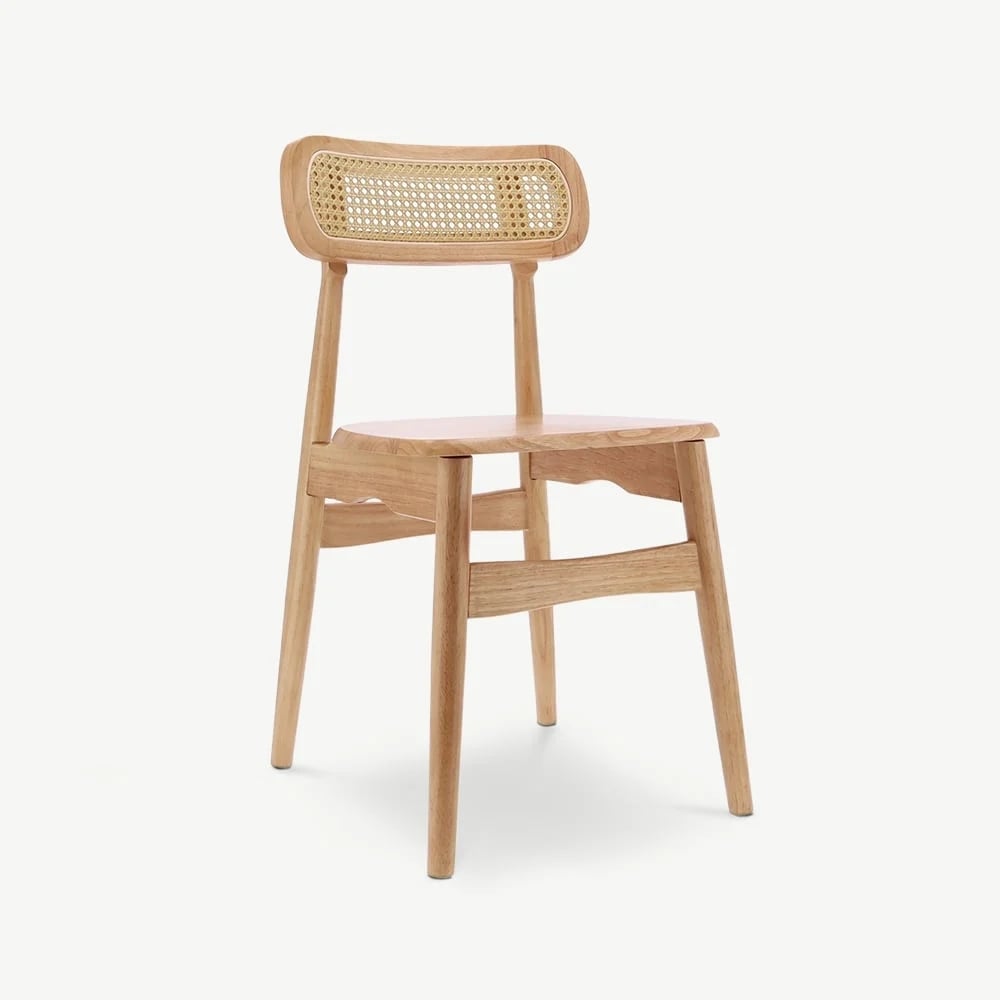


Telling a real Scandinavian chair from a copy
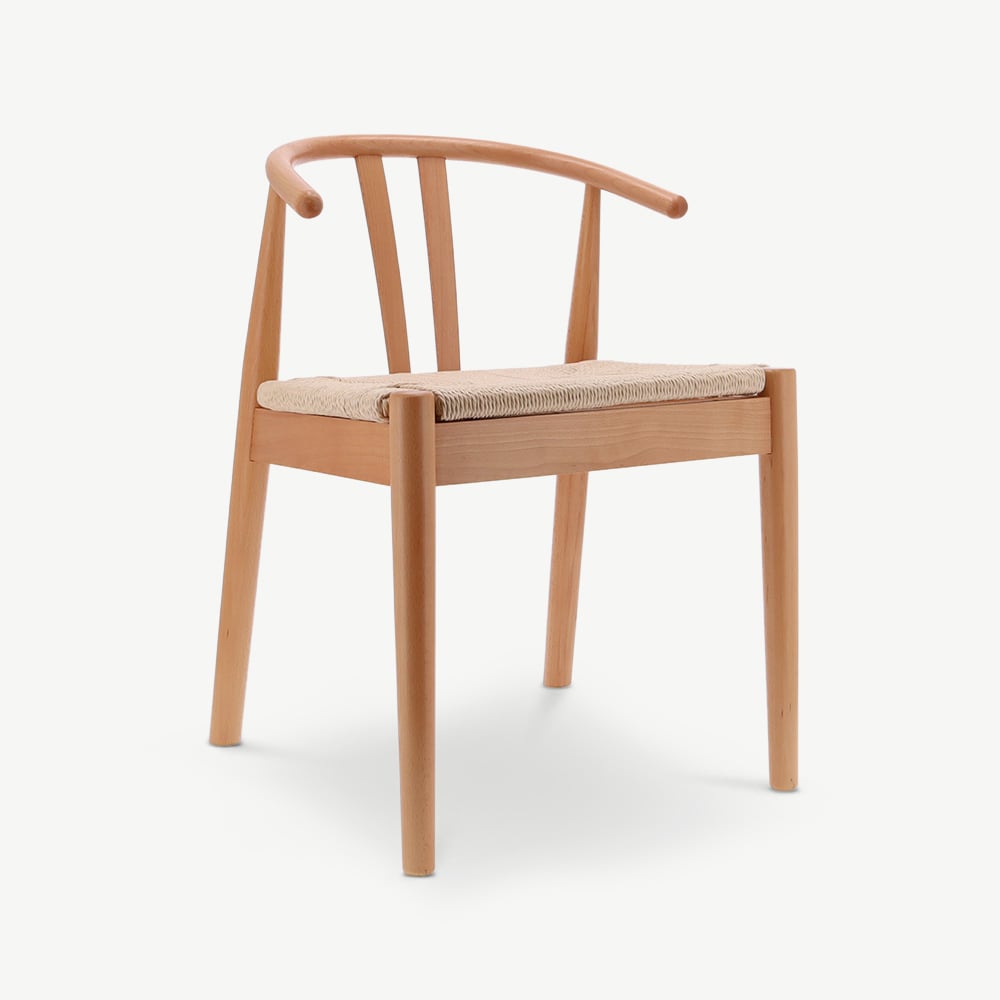
The mid-market online furniture industry has filled with chairs marketed as "Scandinavian-inspired" that have nothing in common with the tradition beyond the label. Three simple checks settle it in store or online:
| Check | Real Scandinavian chair | Scandinavian look |
|---|---|---|
| Wood | Solid oak, beech, ash | MDF with decorative foil |
| Joinery | Visible tenons, dowels | Concealed screws |
| Weight | 7 to 12 kg | 4 to 6 kg |
| Threshold price | €85 and up | Under €70 |
| Realistic lifespan | 15 to 25 years | 3 to 5 years |
The simple rule: if a chair is marketed as "Scandinavian wooden chair" for €49 online, it is not a cheap chair, it is a bad chair. The threshold for real solid European wood starts around €85, and reasonable quality lives between €100 and €150.
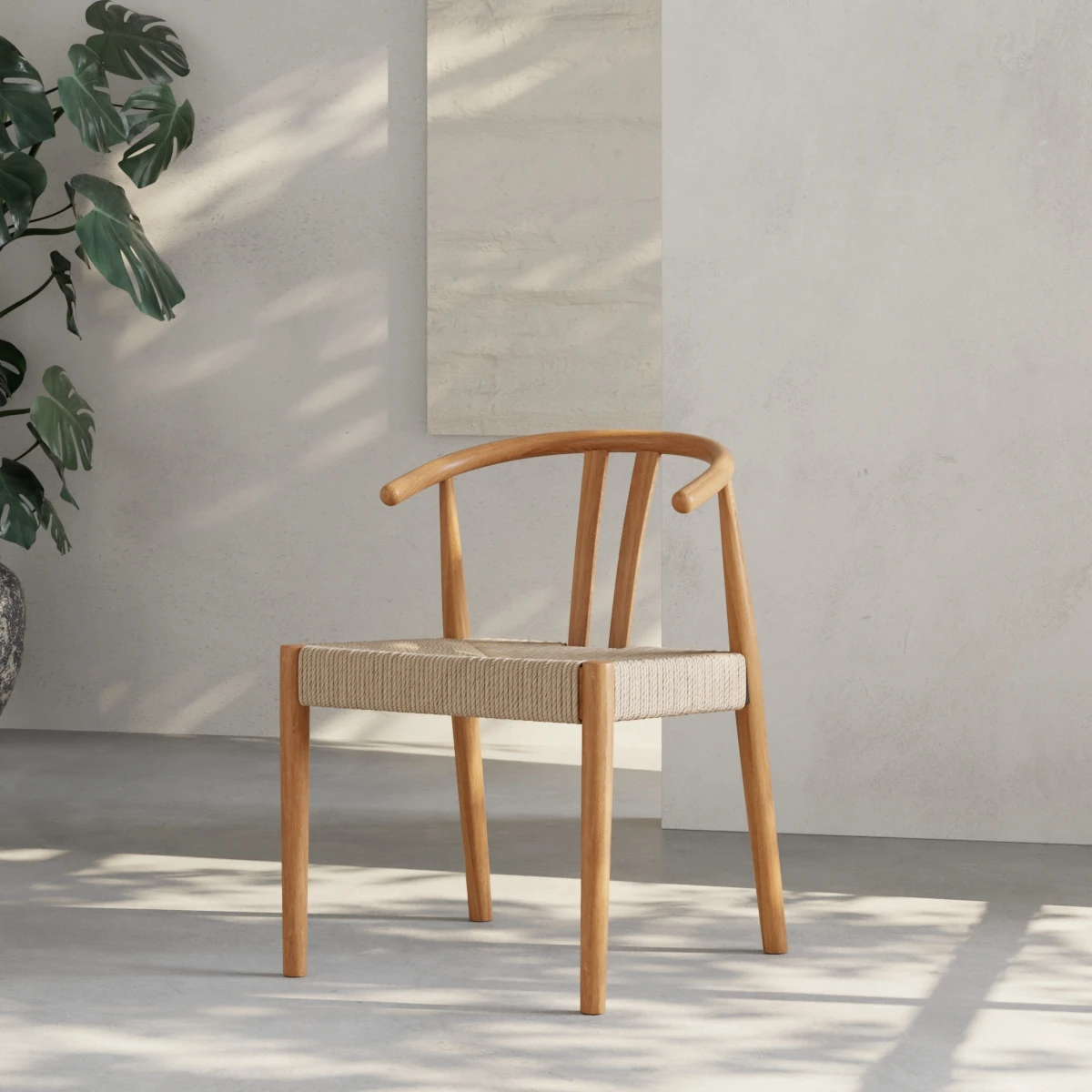
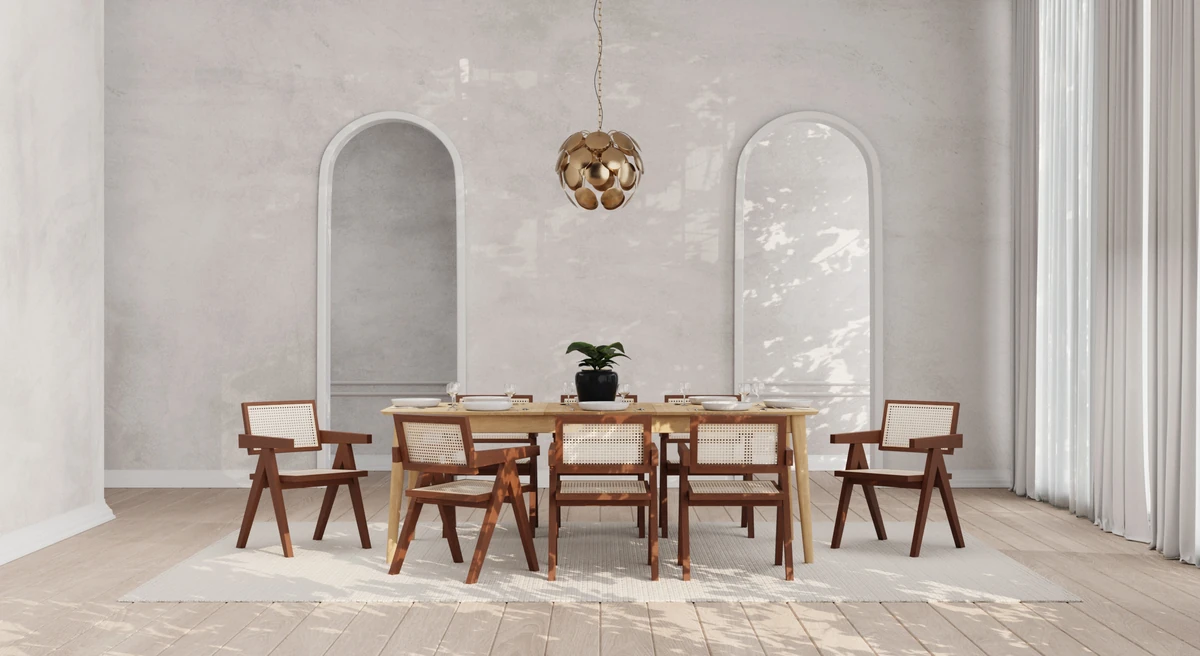
Three models, three room types
Our range maps onto the three most common situations:
- For the small flat: Scandi in beech (€89) or oak (€109). Visually light, stackable, easy to clear when a guest sleeps on the sofa.
- For the heritage flat: Peter in cognac oak (€129) or black-stained oak (€149). Presence without weight, solid wood without rustic.
- For the family or country home: Jenson in oak or dark ash (€139 to €179). Armrests and rattan-fabric comfort for long Sunday meals, robust for children.
All chairs deliver across the EU in 2 to 4 working days. Free return within 30 days, so it works to test one chair before ordering a full set. Pay in 3 or 4 instalments with Klarna.
The Scandinavian chair that respects an older home
Cognac oak with an antique parquet floor: no wrong answer there.
If you cannot decide, the Peter in cognac oak solves almost any heritage room. It sits next to a herringbone parquet, 19th-century panelling, or a Hague Blue wall without setting off a conflict. It is the quietest and most durable version of Scandinavian applied to a traditional European home.
Browse our Scandinavian chair selection or the broader Scandinavian furniture range. For the full style context, read our Scandinavian furniture guide.
If you want to understand the form first, see Scandinavian chairs: the design lineage. For the table match, our dining tables buying guide. For the calm cross-tradition between Tokyo and Stockholm, the Japandi interior guide.
Frequently asked.
Do Scandinavian chairs work in older flats?
Yes, if proportions are respected. High ceilings and ornate mouldings accept calm Scandinavian lines without competition. Avoid woods that are too pale (use cognac oak or dark ash) which can clash with antique parquet. Black-stained Scandinavian chairs also work well with herringbone floors, particularly in rooms with strong painted-wall colour.
Which Scandinavian chair suits a small flat?
Lightweight armless models: the Scandi (€89 to €119) and the Peter (€119 to €149). Stackable, easy to move, and slim legs do not crowd a room under 20 m². Avoid armed models with prominent rattan if the room is under 25 m², as they consume visual space and make the room feel smaller than it is.
How do I spot a real Scandinavian chair from a cheap copy?
Three checks: wood (solid oak, beech, or ash, not foil-wrapped MDF), joinery (visible mortise-and-tenon or dowels, not concealed screws), and weight (7 to 12 kg, not 4 to 6 kg). A chair sold as Scandinavian under €70 is almost always veneer on MDF. The threshold for real solid wood from European sources starts around €85.
Which colours work with Scandinavian chairs in a traditional room?
Off-whites (ivory, cream, linen), soft greys, and deep blues (Hague Blue, teal) work especially well in heritage rooms with mouldings. Avoid saturated commercial Nordic palettes (burnt orange, fir green) which belong to the marketing version of Scandinavian style but clash with older European architecture.
Can I mix a Scandinavian chair with a rustic wooden table?
Yes, and this is often the most resolved pairing. A rough solid oak farmhouse table with lighter-oak Scandinavian chairs builds a conversation between regional craft and Danish restraint. The rule: woods either share a coherent tone or are clearly contrasted (dark table, light chairs). Avoid the middle ground, where the two woods are similar but not quite the same.
What does a quality Scandinavian chair cost across Europe?
The minimum threshold for European solid wood with visible joinery sits around €85. The €100 to €150 band gives the best price-to-quality ratio for most buyers. Above €200 you enter licensed reproductions or original Danish heritage pieces (Carl Hansen, Fritz Hansen) at €600 and up per chair.
