 9800+ TRUSTPILOT REVIEWS


 EN
EN DE
DE FR
FR NL
NL
Bar stools sit in the dirtiest part of the kitchen: between the hob, the sink, and the breakfast counter. Airborne grease settles on the legs, spills land on the seat, shoes scuff the footrest. Cleaning by material keeps the stool good for an extra decade. Cleaning everything with the same cloth and the same spray destroys one component at a time.
This guide covers the weekly routine, monthly conditioning, and targeted fixes for wood, metal, rattan, fabric, leather, and plastic. It also covers the most common damage, footrest scuffs, and how to reverse it.
Six surfaces, six routines
Each material needs its own cleaner and its own cloth. These six cover every bar stool on the market.
Solid wood
Weekly: dry microfibre wipe. Spills: blot with a slightly damp cloth, dry immediately. Every 6 to 12 months: apply a thin coat of hardwax oil with a lint-free cloth, let it sit 30 minutes, wipe off the excess. Do not use glass cleaner; the alkaline salts open the wood pores.
Powder-coated metal
Weekly: damp cloth with a drop of mild washing-up liquid. For greasy build-up from cooking, a non-abrasive degreaser spray works. Avoid steel wool and scouring pads; they scratch the powder coat, which leads to rust spots. Only use steel wool if you intend to repaint.
Rattan / cane
Monthly: dust with a soft brush or compressed air. Spills: blot with a nearly dry cloth; never saturate the weave. If the fibres have loosened, mist them lightly with lukewarm water and let air-dry to tighten. See our rattan care notes for detail.
Fabric upholstery
Weekly: vacuum with the upholstery attachment. Liquid spills: blot with a pale cloth, never rub. Stubborn marks: 250 ml of lukewarm water and a drop of washing-up liquid, dab with a clean cloth, rinse with clear water, dry in the shade. Performance fabric tolerates an occasional steam clean.
Leather
Monthly: dry microfibre dust. Every six months: rub in a small amount of lanolin-based leather conditioner in circular motions, buff with a second cloth. Water marks: equalise across the whole panel with a similarly damp cloth. Never use wipes containing alcohol or acetone.
Plastic (PP)
Weekly: damp cloth with mild cleaner. For discolouration (tomato sauce, turmeric): apply a baking soda paste (three parts soda, one part water), leave 15 minutes, rinse off. No solvents; they attack the plastic.
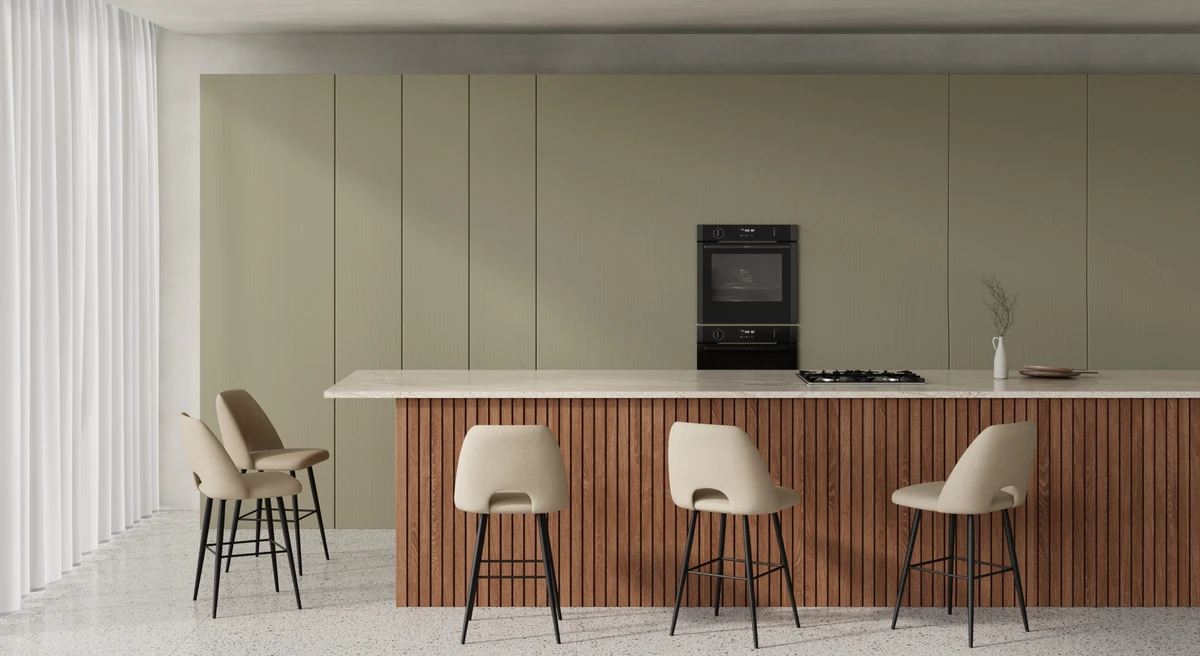
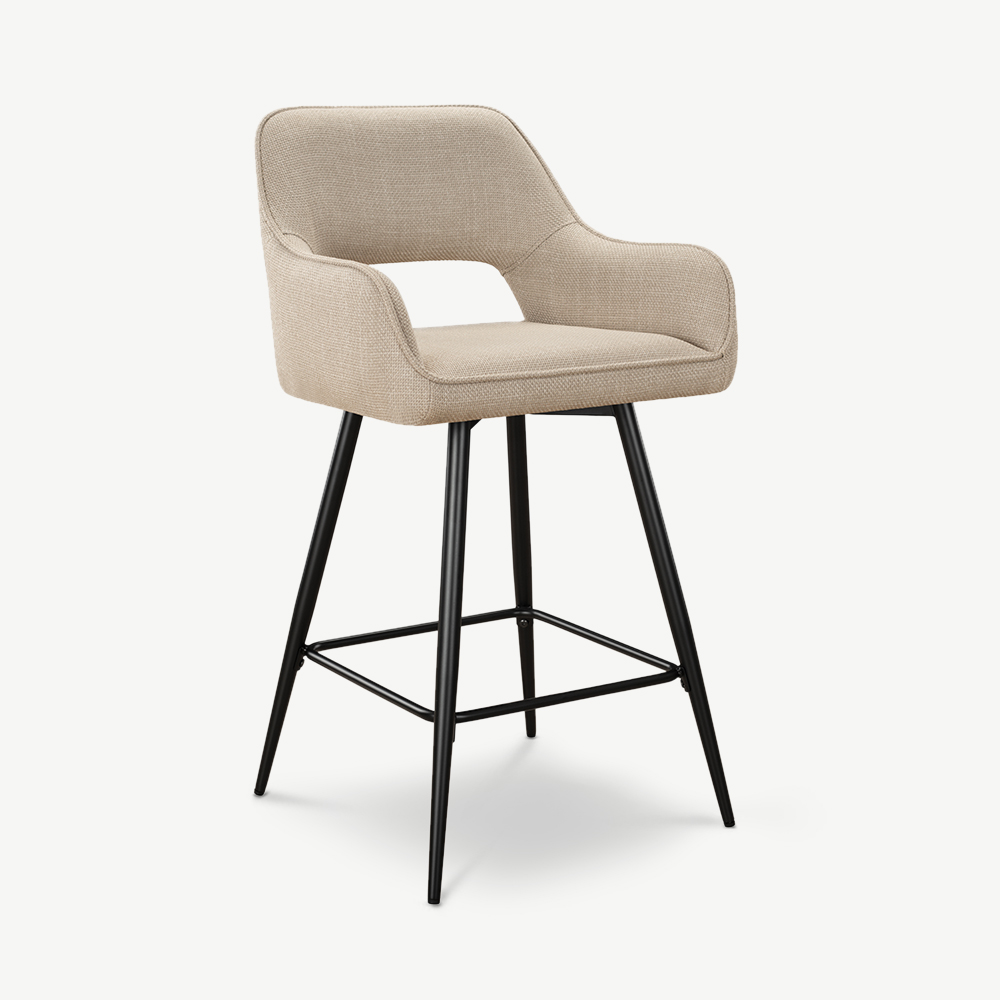
Featured in this guide



The weekly five-minute clean
This routine covers most stools and takes about five minutes each. It does not replace the monthly and twice-yearly conditioning, but it stops dirt becoming damage.
Care that matches the material, not the cleaning cupboard
A bar stool lives 15 to 20 years if each material gets the right cleaner.
Wood wants oil, not water. Metal tolerates washing-up liquid, not scouring cream. Rattan likes a dust brush, not a cloth. Leather expects lanolin, not alcohol. Fabric thrives on vacuuming, not scrubbing. Plastic forgives most things, except solvents. Follow these six rules plus the weekly five-minute routine and the stool keeps working and looking right until it falls out of fashion rather than out of service.
Replacing an old stool rather than maintaining it? Our bar stool collection starts at €69. Before buying, our 7-step buying guide covers fit, and the materials guide covers which combinations last longest.
For category context, our bar stools buying guide ties layout, height, and material together.
Frequently asked.
How do I remove shoe scuffs from the footrest?
On chrome or brushed steel: rub a white eraser firmly across the mark, then wipe with a damp cloth. On powder coat: a drop of olive oil on a cloth, polish gently in circles, then degrease with washing-up liquid solution. On brass plating: only use a dry microfibre cloth, never scour, or you take the plating with you.
Which oil should I use on a wooden bar stool?
Hardwax oil (Osmo, Saicos, Treatex) gives the best protection for daily-use stools. One coat every 6 to 12 months depending on intensity. Pure linseed oil also works but takes 48 hours to dry and leaves a softer finish. Never use cooking oil; it goes rancid and attracts mould. See our wooden bar stool guide for finish detail.
How do I remove red wine stains from upholstery?
Act immediately. Blot the spill with a dry cloth (do not rub) until most of the liquid is up. Drip a little white wine or sparkling water on the stain and blot again. For dried stains, a commercial upholstery spray rated for the fabric helps. Performance fabrics usually clean completely with water and washing-up liquid.
How often do leather bar stools need conditioning?
Dust weekly, condition with a lanolin-based leather product every six months. In centrally heated dry rooms, once a year more, since the leather dries out faster. Never park a leather stool next to a radiator or in direct sun; the fibre hardens and cracks within two to three years.
Can I steam-clean a bar stool?
Performance fabrics and PP plastic tolerate brief steam (10 seconds per spot, never directly on a seam). Natural wood, leather, rattan, and non-performance fabrics should not be steam-cleaned. Hot steam opens wood pores, hardens leather, loosens rattan fibres, and shrinks fabric.
How do I maintain an adjustable bar stool with a gas piston?
Do not oil the gas piston and do not spray it with water. Wipe the visible chrome shaft with a dry cloth monthly to keep dust away from the seal. If the lift squeaks, that is normal and does not need grease. When the piston fails (typically 5 to 8 years), better models sell it as a spare part. See our adjustable bar stool guide for the brands with replaceable parts.
