 9800+ TRUSTPILOT REVIEWS


 EN
EN DE
DE FR
FR NL
NL
Rattan furniture needs little care, but it needs the right care. Dust it monthly, blot spills as they happen, oil it once a year, and you have a chair, sofa, or side table that holds up for 20 years and more. Put it next to a radiator and clean it with a soaked cloth, and you have cracked joints by the third winter.
This guide covers the four habits that actually matter, the six mistakes that ruin rattan faster than anything else, and how to fix small damage at home. Written for natural rattan kept indoors. Synthetic rattan for outdoor use has its own routine, covered at the end.
Rattan is a living fibre
Natural rattan absorbs and releases moisture from the air, which is what keeps it flexible. That same trait makes it sensitive to extremes. In bone-dry centrally heated rooms, the fibres contract and crack at the joints. In high humidity, the weave swells and mould takes hold in the binding points.
The care routine has one job: keep the fibre in its stable middle range. A small number of habits do that.
- Room climate: 18 to 22 degrees, 45 to 60% humidity
- Placement: 2 metres from radiators, out of direct sun
- Cleaning: dry by default, damp only when needed
Four steps across the year
Nothing more is needed. Each step has a clear time window and a clear purpose.

Featured in this guide
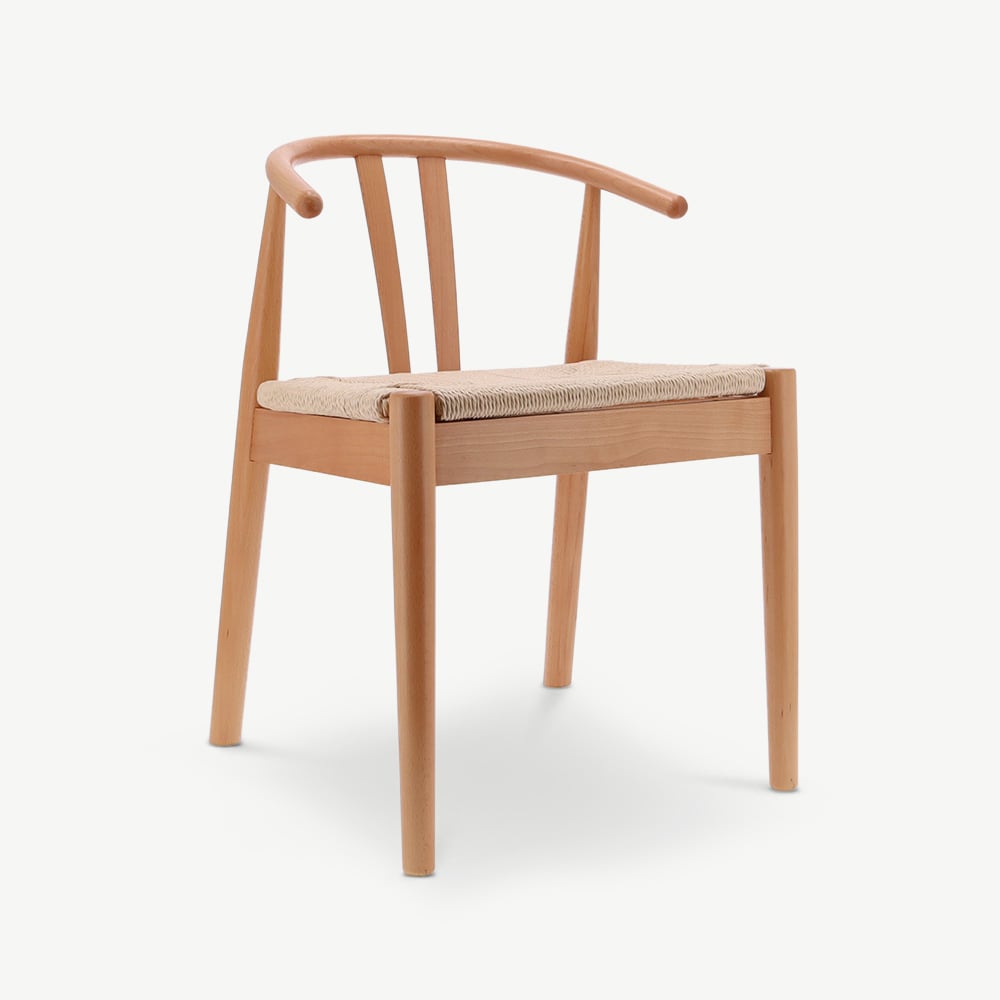
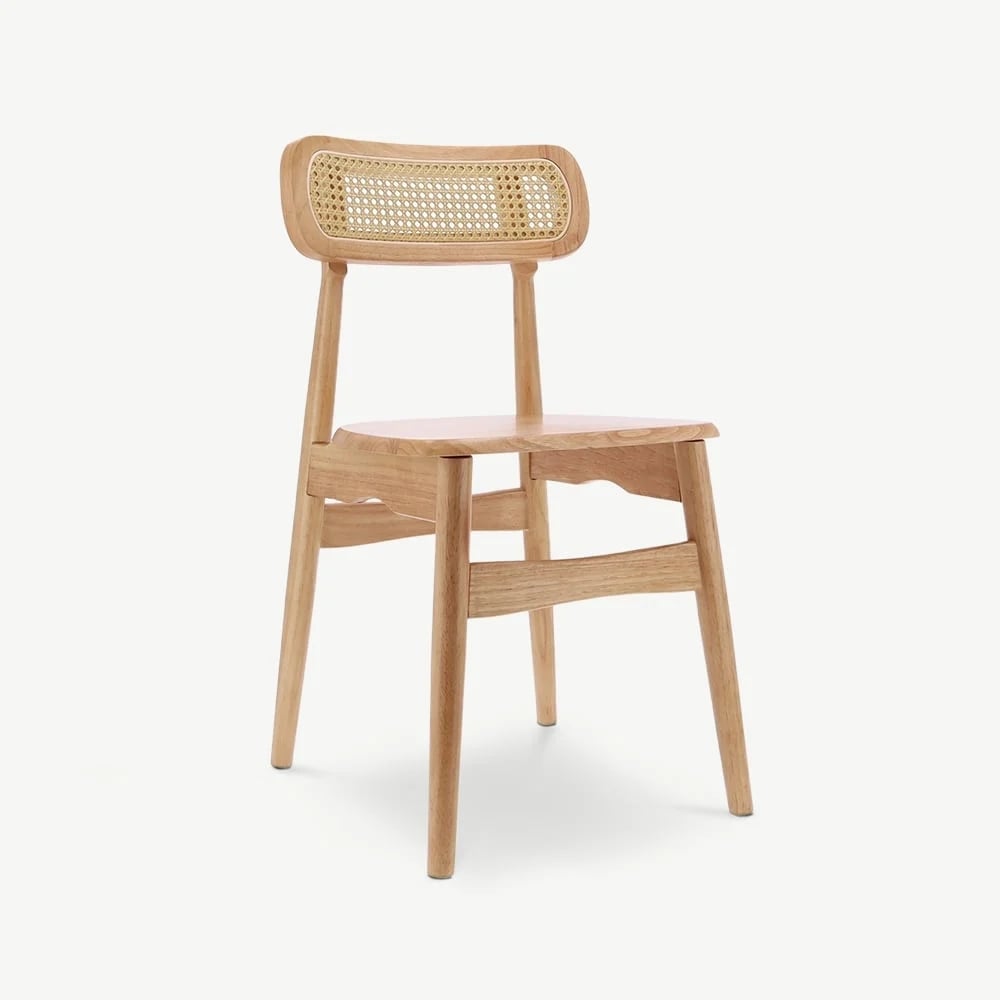
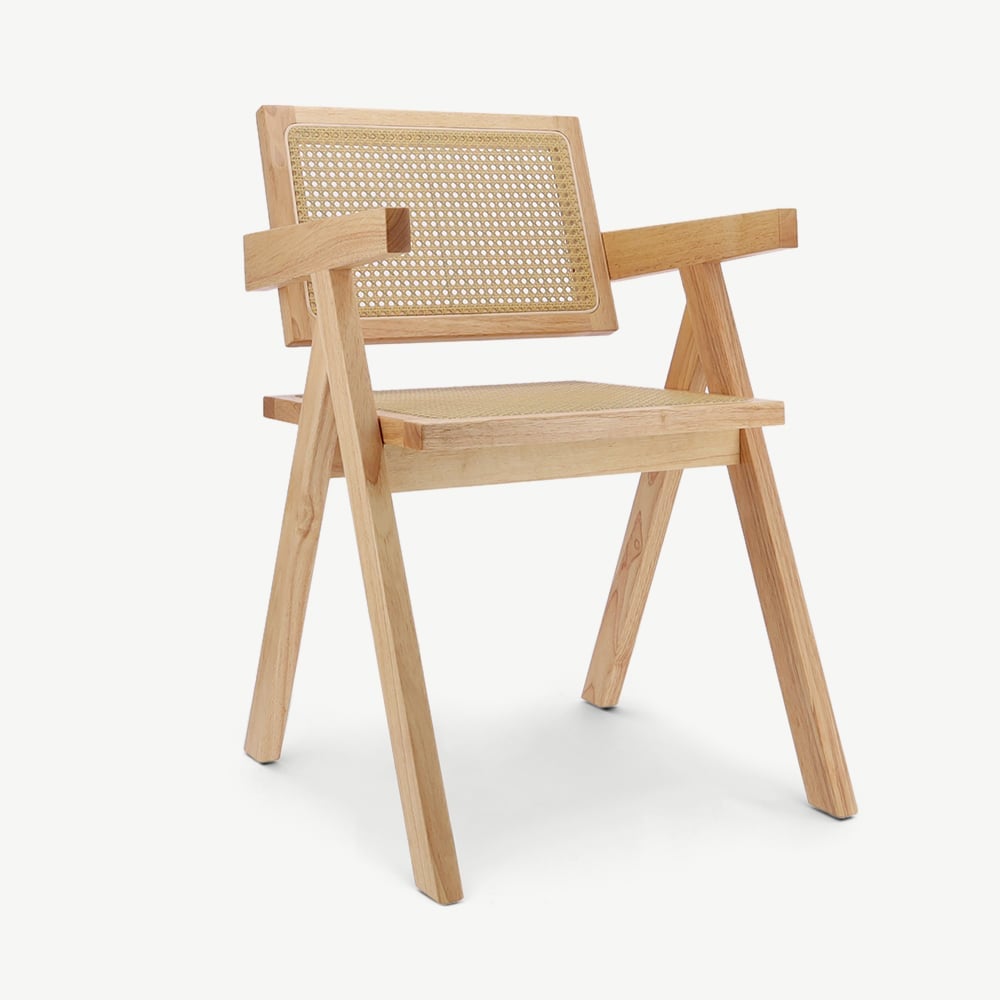
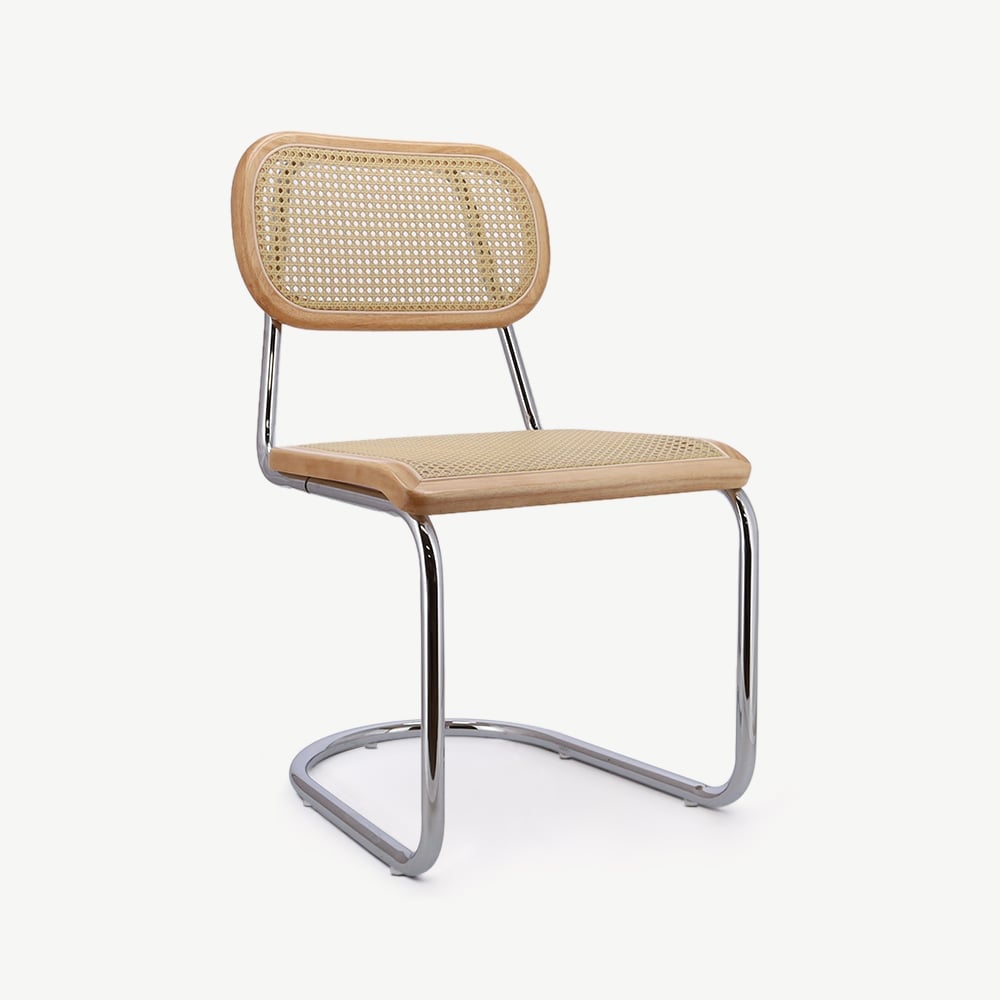

What actually breaks rattan
Most damage comes not from neglect but from over-enthusiasm. These six are the common mistakes.
- Pressure washer: loosens the weave, drives water into joints, strips finish
- All-purpose spray, glass cleaner, scouring milk: dissolves the protective layer and roughens the fibre
- Silicone-based furniture polish: clogs the weave and blocks future oiling
- Cooking oil: never hardens, stays sticky, attracts dust and microbes
- Hairdryer or fan heater to speed-dry: creates cracks within minutes
- Direct summer sun: bleaches the fibre, makes it brittle
If any of these have already happened and the piece sounds dry when tapped or shows hairline cracks, it is usually not lost. A double oil cure with a two-week gap between coats often brings the fibre back.

Care for synthetic rattan outdoors
Synthetic rattan is built differently and cared for differently. PE weave needs no oil and is UV-stable. The care effort moves to the frame and to general cleanliness.
Twice a year, wipe down with warm soapy water and a soft sponge, rinse, dry with a cloth. In winter, cover the piece or move it under shelter. Even if the set is sold as weatherproof, water collects in the joints and freezes there, which is what eventually pulls the strand ends off the aluminium frame.
For the full outdoor routine and how to choose the right outdoor set, see the outdoor rattan guide.
Care is the cheapest upgrade
Three care tasks a year, four minutes a month. That alone adds a decade to the lifespan of natural rattan.
A €129 rattan dining chair kept for 25 years costs roughly €5 a year. The same chair replaced every five years for lack of care costs five times that. The maths argues for the routine.
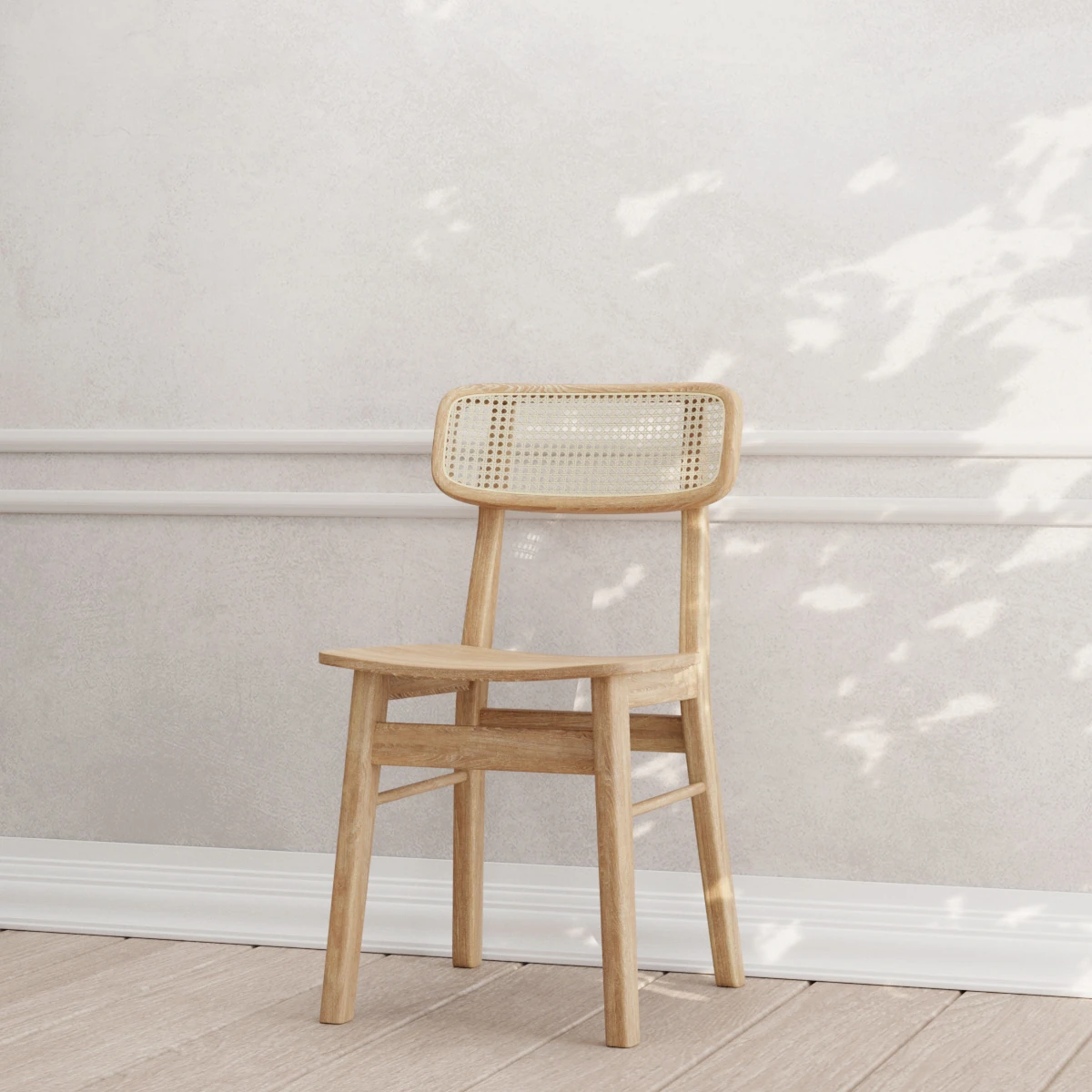
Our rattan dining chair selection sits between €99 and €249. For garden seating, the outdoor furniture collection covers the same look in weather-resistant builds.
For the broader context, the rattan furniture guide covers materials, types, and care across categories. For terminology, see rattan vs wicker.
Frequently asked.
How often does rattan furniture need to be cleaned?
Monthly dusting is enough. Blot spills as they happen, oil once a year with linseed or tung oil. More frequent cleaning often does more harm than good, especially with damp cloths or chemical sprays. The most common source of damage is over-cleaning with the wrong tools, not under-cleaning.
Can rattan be wiped with a damp cloth?
Yes, with a well-wrung microfibre cloth and only when needed, for example after a spill. Avoid standing water in the weave. After cleaning, let the piece air-dry completely in a ventilated room before using it again. Never speed-dry with a hairdryer or near a heater.
What kind of oil should I use on rattan?
Cold-pressed linseed oil or tung oil. Both soak in, cure lightly, and protect the fibres. Avoid silicone-based furniture polish (clogs the weave) and cooking oils like olive or sunflower (never harden, attract dust and microbes). A thin coat is enough, always wipe off excess.
What damages rattan the most?
Direct sunlight and radiator heat. Both dry the fibres, leading to cracks at the joints. Prolonged moisture is the second issue: mould in the binding points and a loosening weave. Keep the piece cool, dry, and out of direct sun and you avoid most of the failure modes.
Can I pressure-wash rattan?
No. The jet loosens the weave, drives water into the joints, and roughens the fibre. Even on synthetic rattan, it is a bad idea, since the water pressure tends to strip the clear coat from the aluminium frame. A sponge, warm soapy water, and a soft hose stream are enough.
How do I repair a dented rattan panel?
Light dents respond to steam: a warm damp cloth laid over the area, gentle reshaping, then air-drying. Larger breaks in the weave are a craftsman's job. A re-woven seat panel costs €40 to €80 in most European cities, far cheaper than replacing the chair. Most basket-weaving workshops do furniture repairs.
