 9800+ TRUSTPILOT REVIEWS


 EN
EN DE
DE FR
FR NL
NL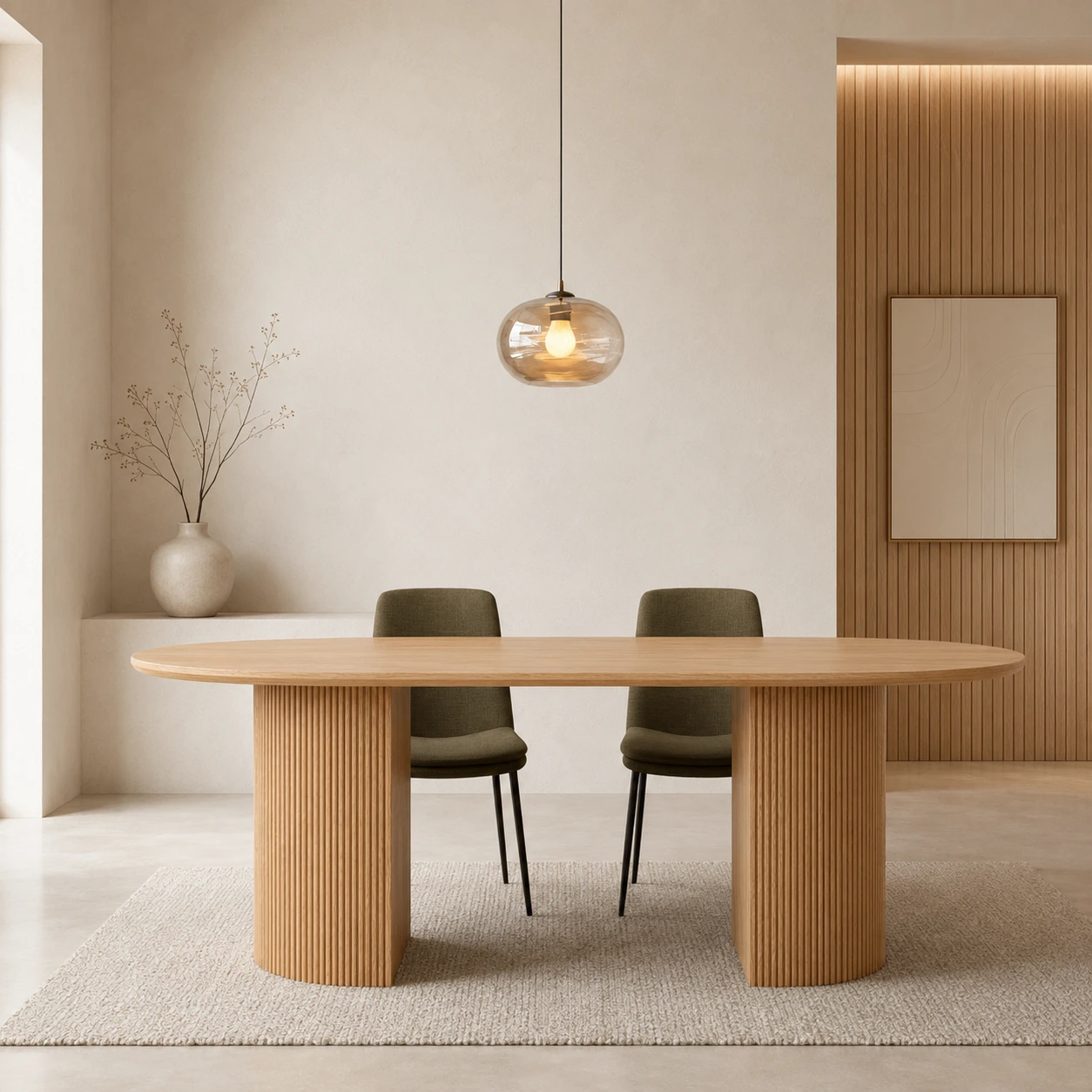
Japandi and Scandinavian design share most of their DNA. Both lean on natural materials, neutral palettes, clean lines, and functional priorities. The difference is roughly the difference between Copenhagen and Kyoto: same instincts, different temperatures. One is friendly. The other is quiet.
This guide covers the shared vocabulary, the five places the two styles part ways, how to identify which a specific piece belongs to, and how to mix them at home without producing a room that reads as neither.
Where the two styles agree
Both styles emerged from a similar instinct: design furniture for real homes with limited space, prioritise function over decoration, use materials that age well, and let light do the work of brightening the room. The result is a substantial shared vocabulary you can use in either style without adjustment.
- Materials: solid wood (especially oak and ash), linen, wool, leather, ceramic, paper
- Construction: exposed joinery, hand-rubbed finishes, no veneer pretending to be solid
- Palette base: off-white walls, sand and oat tones, neutral textiles
- Furniture line: low-profile, leaving sight-lines clear across the room
- Function-first: a piece earns its place by being used, not by being decorative
If a piece fits all five of these, it could belong to either style. The next section covers what tips the balance.
Three places the two styles part ways
Most pieces are obviously one style or the other once you know what to look for. These three differences explain 80% of the cases.
Wood tone
Scandinavian rooms run on blonde oak, birch, and ash. The wood is the source of warmth, kept as light as possible to bounce daylight in long northern winters.
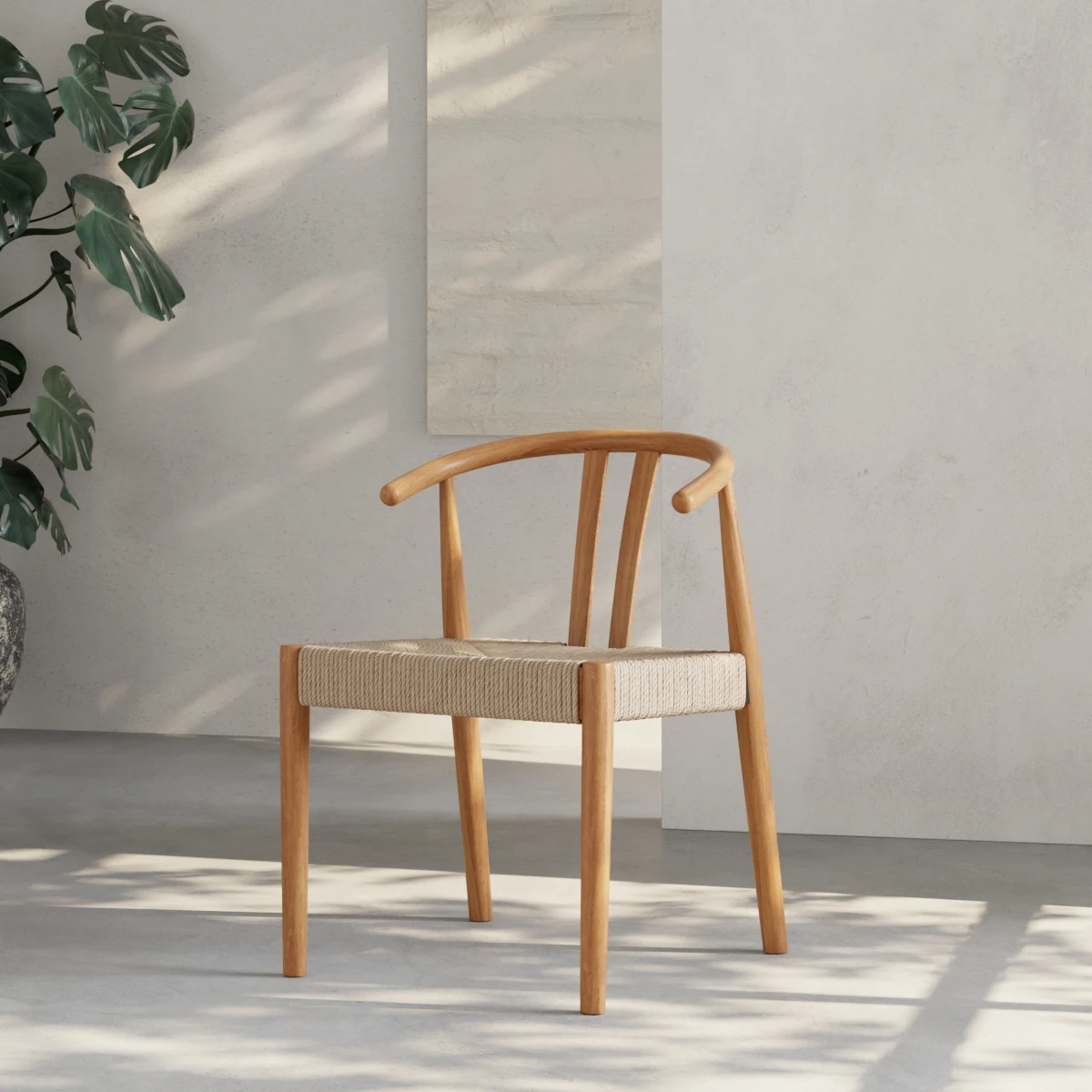
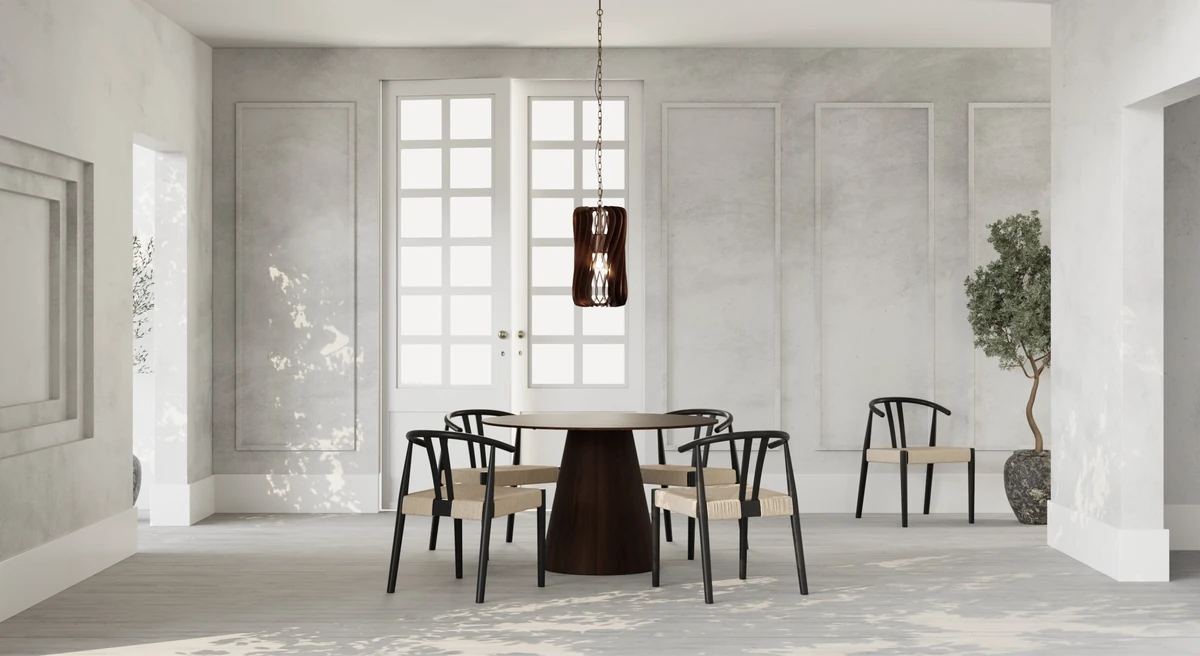
Japandi keeps the light wood as the base but adds a darker counterpoint in every room: a smoked oak shelf, a walnut stool, a black-stained chair. One dark anchor against the lighter base.
Symmetry
Scandinavian rooms tend to centre around a sofa flanked by matched lamps, a coffee table with two armchairs facing each other, a shelf with the books arranged by colour.
Japandi arrangements look more incidental: one lamp on the left rather than two matched, a single floor cushion in front of an off-centre low table. The asymmetry is the Japanese influence and is deliberate.
Accent colour
Scandinavian rooms often allow one bright accent: a yellow chair, a tomato-red throw, a piece of mid-century art. The base is calm enough to handle one warm note.
Japandi never adds the warm note. The accent, if there is one, is darker and quieter than the base: charcoal, ink-black, deep forest green. The temperature stays even.
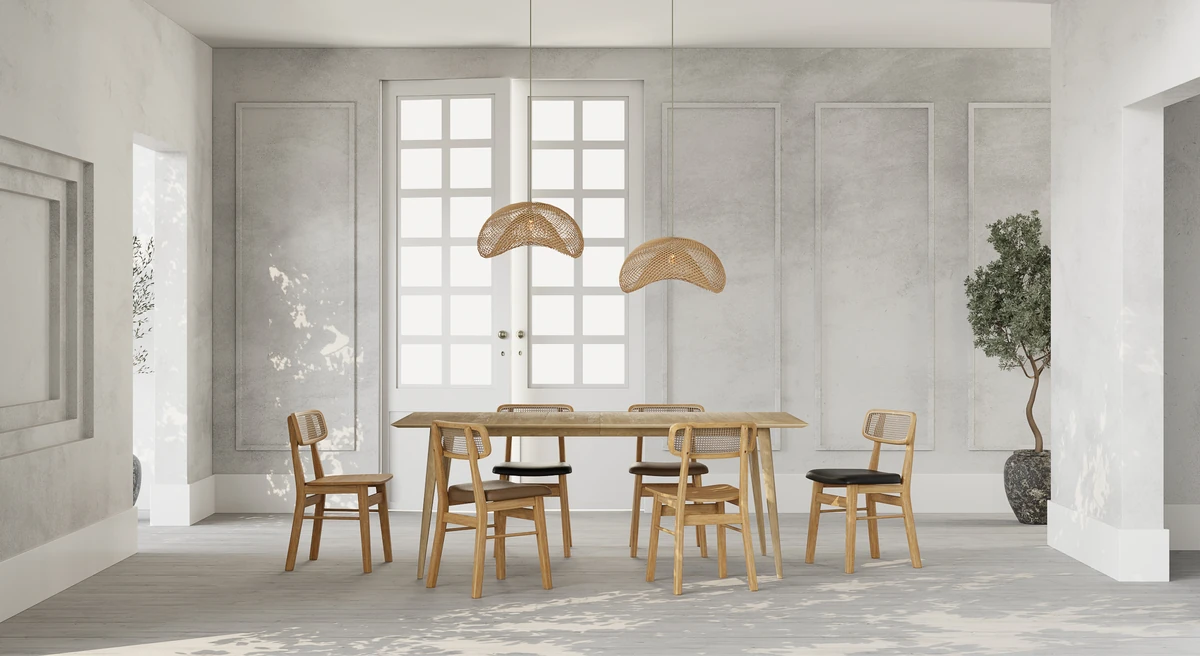
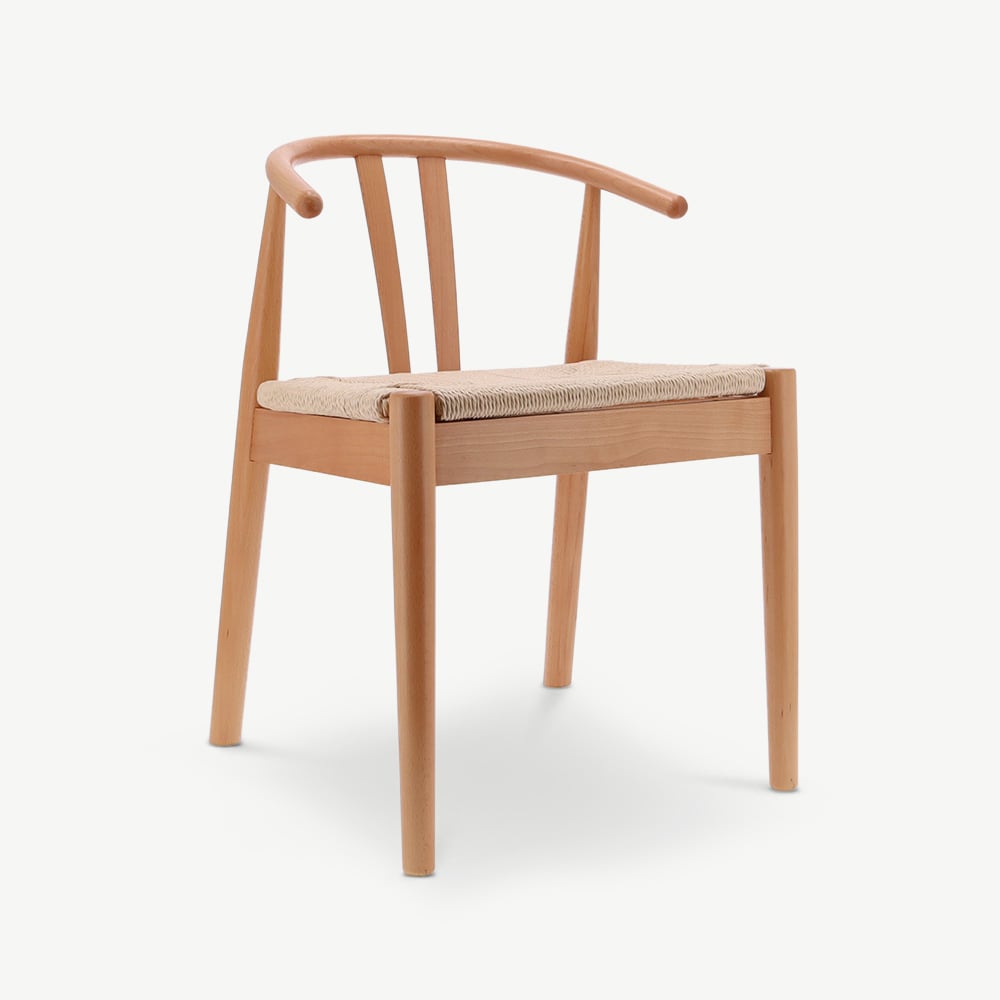
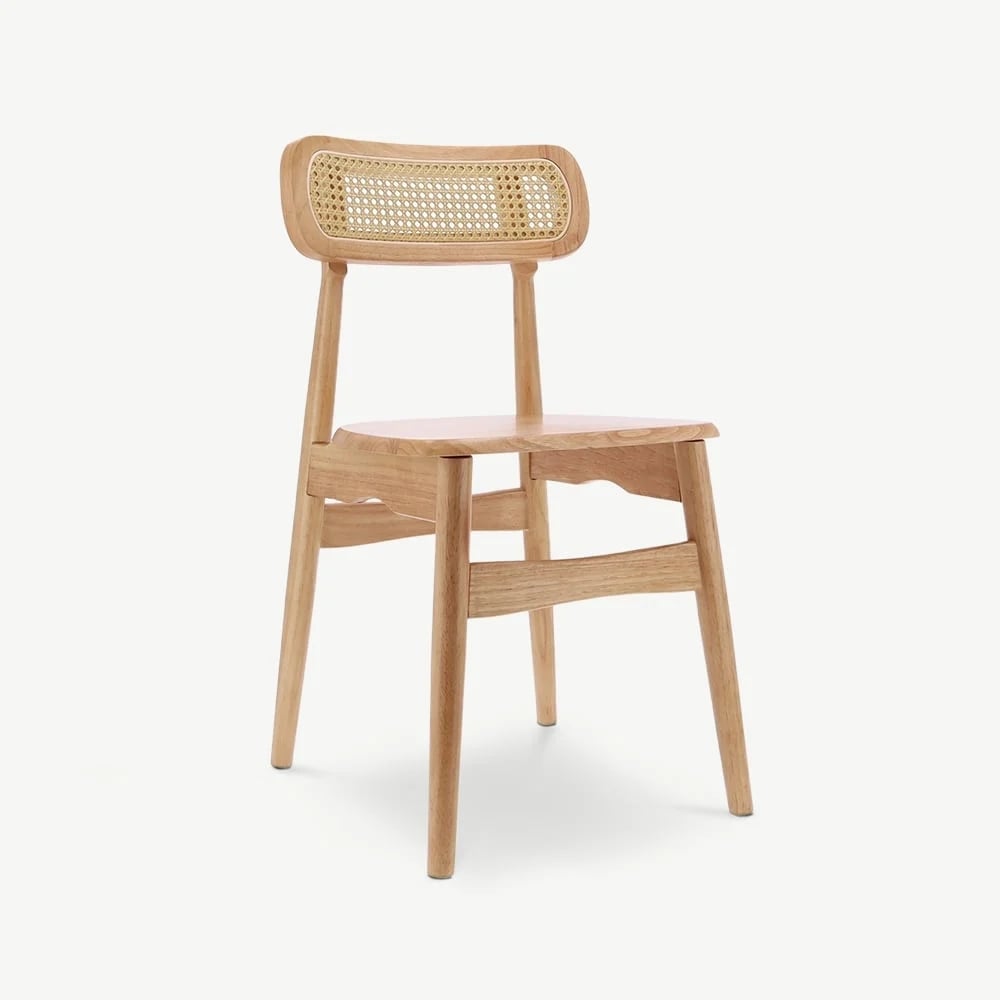
Featured in this guide


The room-by-room cheat sheet
If you are weighing the two as a styling lens for your home, the table below covers the practical decisions you will face. The shorthand: if you want the room to feel like a Saturday morning, choose Scandinavian. If you want it to feel like a Sunday afternoon, choose Japandi.
| Decision point | Scandinavian | Japandi |
|---|---|---|
| Dining chair frame | Oak, ash, beech | Smoked oak, black, walnut |
| Sofa colour | Off-white, dove grey, sand | Sand, oat, soft black |
| Coffee table | Light oak, white-painted | Smoked oak, walnut, ceramic |
| Lighting | Pendant + table lamp pair | Single paper or rice-paper shade |
| Textiles | Wool, sheepskin, one bright accent | Linen, boucle, all muted |
| Wall art | One framed print, possibly colour | One ceramic or paper piece, no frame |
You can also read this as a buying sequence. Start with the lighter Scandinavian base (oak floor, off-white walls, neutral sofa) and add the Japandi anchor pieces incrementally: a smoked oak shelf, a black-stained dining chair, a single dark ceramic vase. Most rooms photograph as Japandi by the third anchor.
How to combine both in one room
The two styles mix easily because they share so much of the underlying vocabulary. The combination that fails is when you try to keep both temperatures in the same room: a yellow Scandinavian accent chair next to a black-stained Japandi shelf reads as two rooms colliding rather than one room composed.
The combination that works follows one rule. Choose a dominant style (60 to 70% of the visible furniture) and let the other contribute supporting pieces that share the same wood tones and textiles. A Scandinavian-dominant living room with one Japandi-leaning piece, the dark dining chair, the smoked oak side table, holds together. A Japandi-dominant bedroom with a Scandinavian sheepskin throw and an oak nightstand holds together.
The rule on accents is harder: in a mixed room, drop the bright Scandinavian colour pop. Keep the palette in the Japandi range (muted, low saturation, one dark anchor) even when the bulk of the furniture is Scandinavian.
For more on either style on its own, see the Japandi interior guide or the Scandinavian furniture guide.
Pick the temperature, not the style
If you want the room to feel friendly, choose Scandinavian. If you want it to feel quiet, choose Japandi. Both are correct answers.
For most homes, the practical advice is to start with a Scandinavian base, neutral wood floor, off-white walls, oak dining table, and then decide whether to keep the friendly Scandinavian temperature or pull it toward the Japandi quiet with a few dark anchor pieces. Either route works. Mixing the two with no dominant style usually does not.
Furnicher's Japandi collection and Scandinavian collection share most of their wood-tone, linen, and rattan range, so building from one into the other does not require starting over. Most pieces sit between €99 and €890. The dining tables and dining chairs collections include pieces from both styles tagged as such.
If you are leaning toward the Japandi side, our companion piece Japandi vs wabi-sabi covers the other neighbour worth knowing about.
Frequently asked.
What is the main difference between Japandi and Scandinavian?
Scandinavian design is brighter, more symmetrical, and built around light woods (oak, birch, ash) with white walls and a friendly visual temperature. Japandi takes the same Scandinavian base and darkens it: smoked oak, walnut accents, asymmetric arrangements, and one deliberately dark anchor in each room. A Scandinavian room reads warm and friendly; a Japandi room reads quiet and considered.
Did Japandi come from Scandinavian design?
Yes, partly. Japandi is roughly 70% Scandinavian functionalism plus 30% Japanese aesthetic principles (asymmetry, wabi-sabi imperfection, low-profile furniture, restrained palette). The Scandinavian half provides the underlying structure: clean lines, natural materials, neutral colours, function-first design. The Japanese half darkens, quiets, and breaks the symmetry.
How can I tell if a piece is Scandinavian or Japandi?
Check three things. Wood tone: light blonde oak or birch reads Scandinavian; smoked oak, walnut, ash with darker stain reads Japandi. Symmetry: matching pairs and centred arrangements read Scandinavian; deliberately off-balance arrangements read Japandi. Accent colour: muted pastels or one bright pop reads Scandinavian; black or deep brown as the only accent reads Japandi.
Can Scandinavian and Japandi furniture mix?
Easily, because they share most of their foundational vocabulary. A Scandinavian oak dining table with Japandi black-stained chairs works without adjustment. A Japandi linen sofa with a Scandinavian woollen throw works. The mix that fails is when you combine a brightly-coloured Scandinavian accent (a yellow chair, a red textile) with the muted Japandi palette: the temperature jumps too far.
Is Japandi just a darker Scandinavian style?
That is one way to think about it, but it understates the Japanese influence. Japandi is not Scandinavian with a brown sofa instead of a beige one. It is Scandinavian with asymmetric arrangements, intentional negative space (at least 40% of the floor visible), more visible craft, and a calmer overall temperature. The dark anchor is the most obvious change, the asymmetry is the most fundamental one.
Which style is more practical for everyday living?
Both are practical. Scandinavian wins slightly on family-friendly tolerances: lighter colours hide dust and pet hair better, fuller furniture absorbs clutter more easily. Japandi wins on visual calm: fewer pieces, more open floor space, less visual noise. Choose Scandinavian if your home gets heavy daily use; choose Japandi if you actively want the room to feel like a pause from the day.
