 9800+ TRUSTPILOT REVIEWS


 EN
EN DE
DE FR
FR NL
NL
A home office chair is not a corporate office chair scaled down for a smaller room. The room is different, the desk is often different, and the rules of what works change with it. The standard issue grey-mesh chair that disappears in a corporate floor plan looks heavy and bureaucratic in a 14 m² spare room.
If you spend six or more hours a day at a home desk, four things matter that almost no buying guide mentions: floor protection, desk-height compatibility (home desks rarely match the 73 cm office standard), aesthetic fit with the rest of the room, and the partner-sharing reality of a chair that visibly belongs to one person but gets used by two. This guide covers all four, with EUR prices and the trade-offs that come with each choice.
The floor underneath you
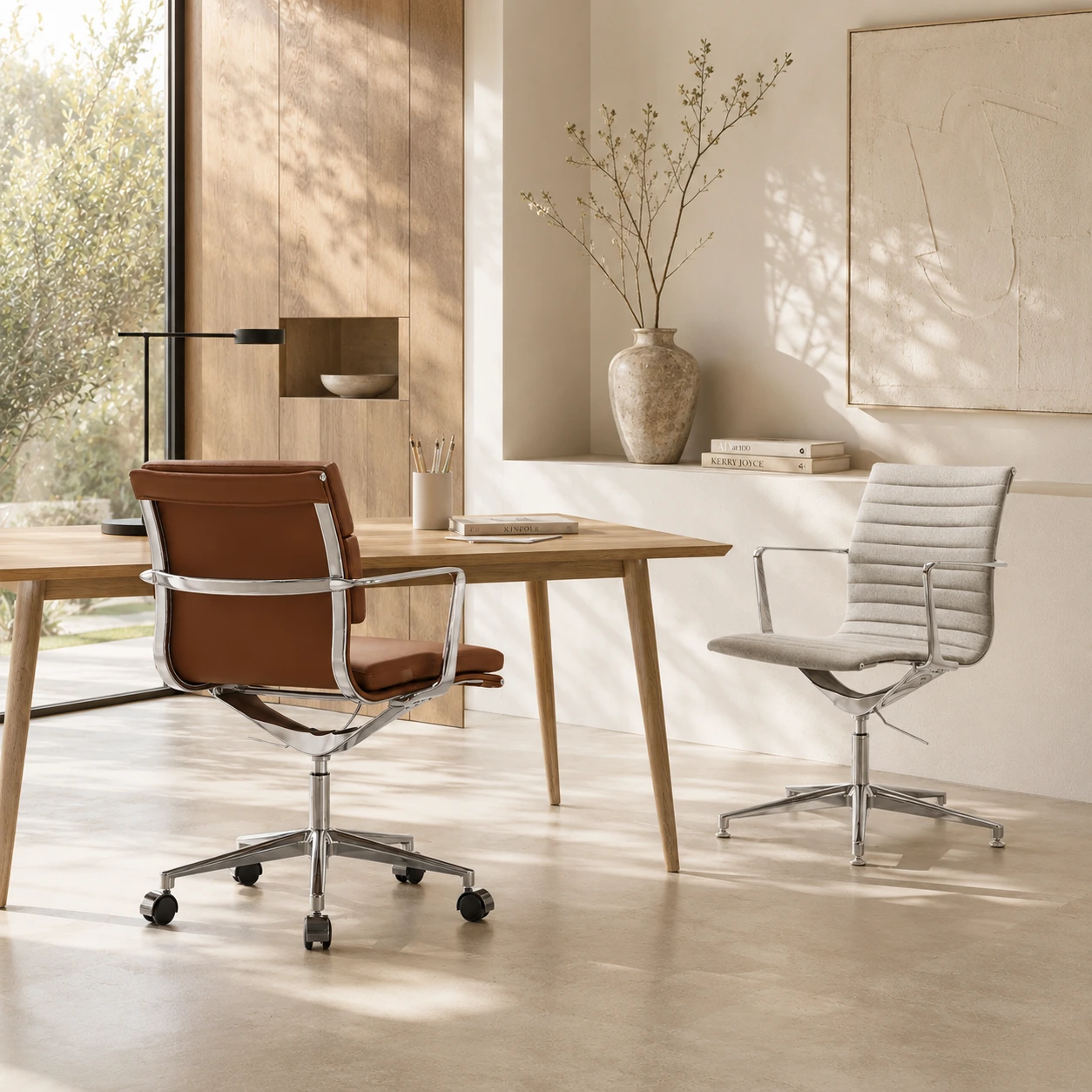
The single biggest preventable damage in a home office is the castor scratching the floor. Office buildings have hardwearing commercial flooring that hides marks. A home has oak parquet, laminate, vinyl, or a rug, all of which mark or roll badly under the wrong wheel.
- Hard floors (parquet, laminate, vinyl, tile): polyurethane (PU) soft-wheel castors, often labelled "for hard floors". The polymer is softer than the floor finish so it rolls without leaving lines.
- Carpet and rugs: hard nylon castors. PU wheels sink into pile and roll heavy.
- Mixed (parquet with a desk-area rug): PU castors plus a 120 × 100 cm chair mat under the desk zone. Cheaper than refinishing the floor in three years.
All Furnicher home office chairs ship with PU soft-wheel castors as standard. If you order one for a carpeted room and notice it rolls heavy, swap to nylon, the post-fit is a 30-second job.
Home desks don't match the office standard
Office desks are 73 cm. Home desks, repurposed dining tables, IKEA flat-packs, vintage finds, vary from 70 cm to 78 cm. The chair height has to absorb that variance or your shoulders pay the price.
Low desks (70-72 cm)
Common with mid-century pieces or repurposed Scandinavian tables. The chair must drop to 42 cm seat height to keep your elbows at 90 degrees. Many "ergonomic" chairs only descend to 45 cm, leaving you with shoulders riding up.
Standard (73-74 cm)
The default category. Any chair with a 44 to 52 cm seat-height range fits comfortably. Cross-check: when seated with feet flat, the elbows should naturally rest at desk level without raised shoulders.
Tall desks (76-78 cm)
Increasingly common with adjustable sit-stand desks. The chair must reach 53 to 55 cm seat height. A footrest is often necessary if your legs do not naturally reach the floor. Skip chairs with maximum height under 52 cm.
Featured in this guide


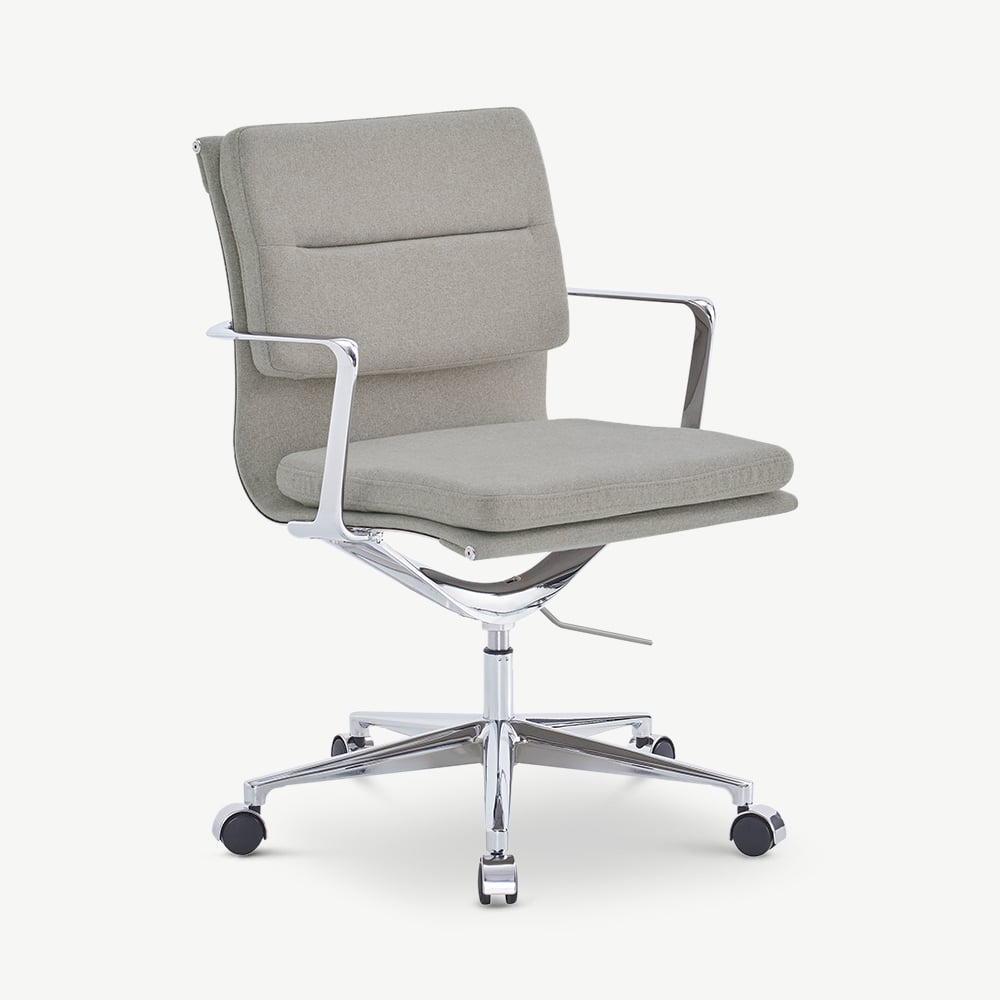
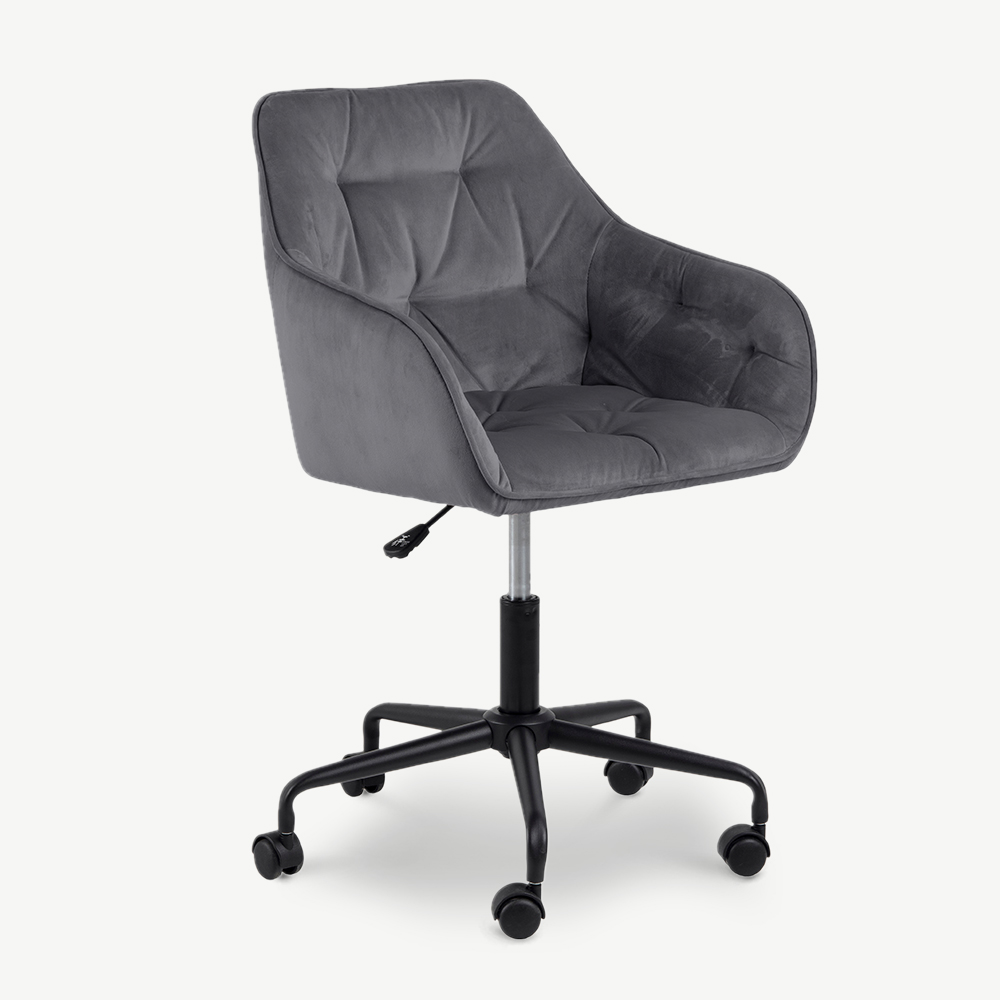
Why corporate-grey looks wrong at home
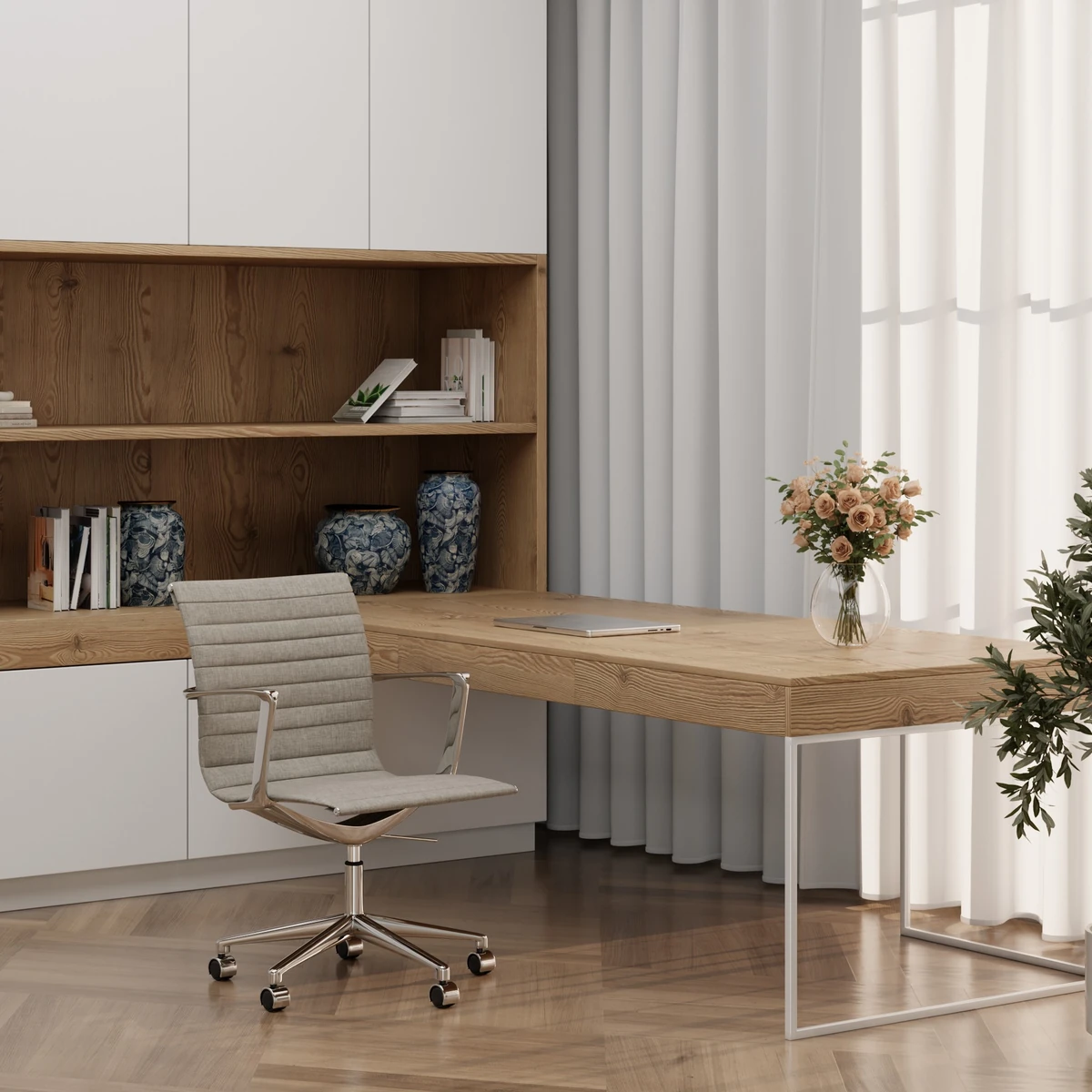
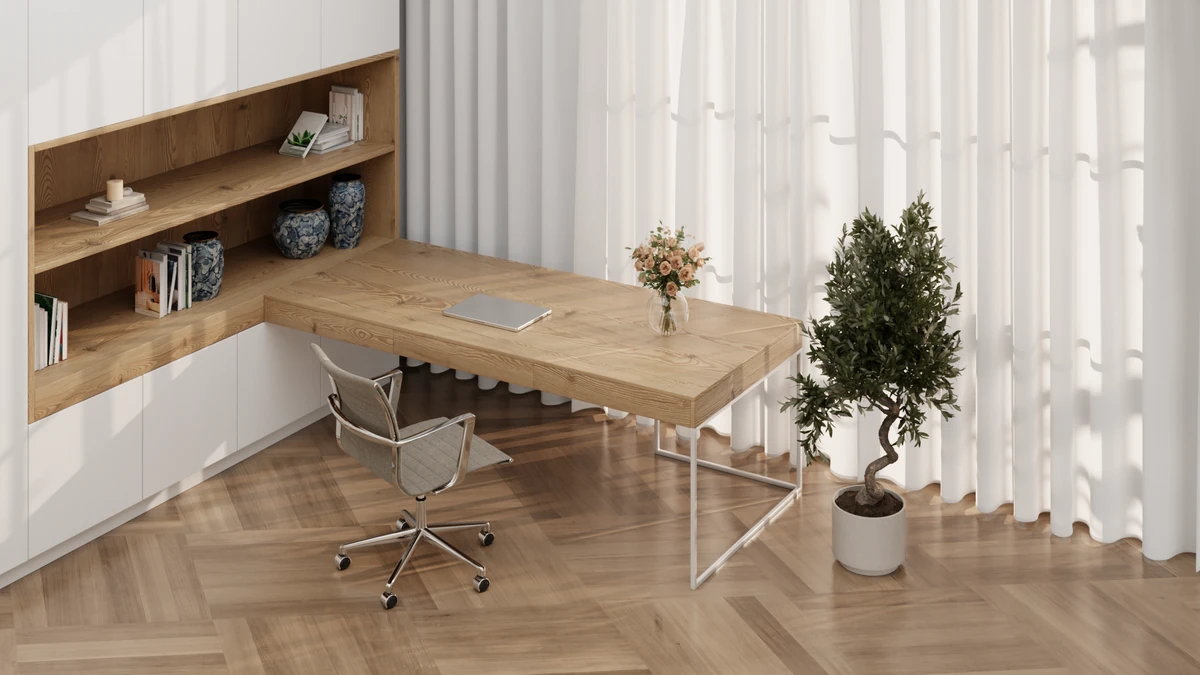
In an open-plan office, a black-mesh chair reads as neutral. In a 14 m² spare room next to a linen sofa and a wood-tone shelf, the same chair reads as institutional. The chair is the largest piece of plastic in the room; its colour and form shape the whole space.
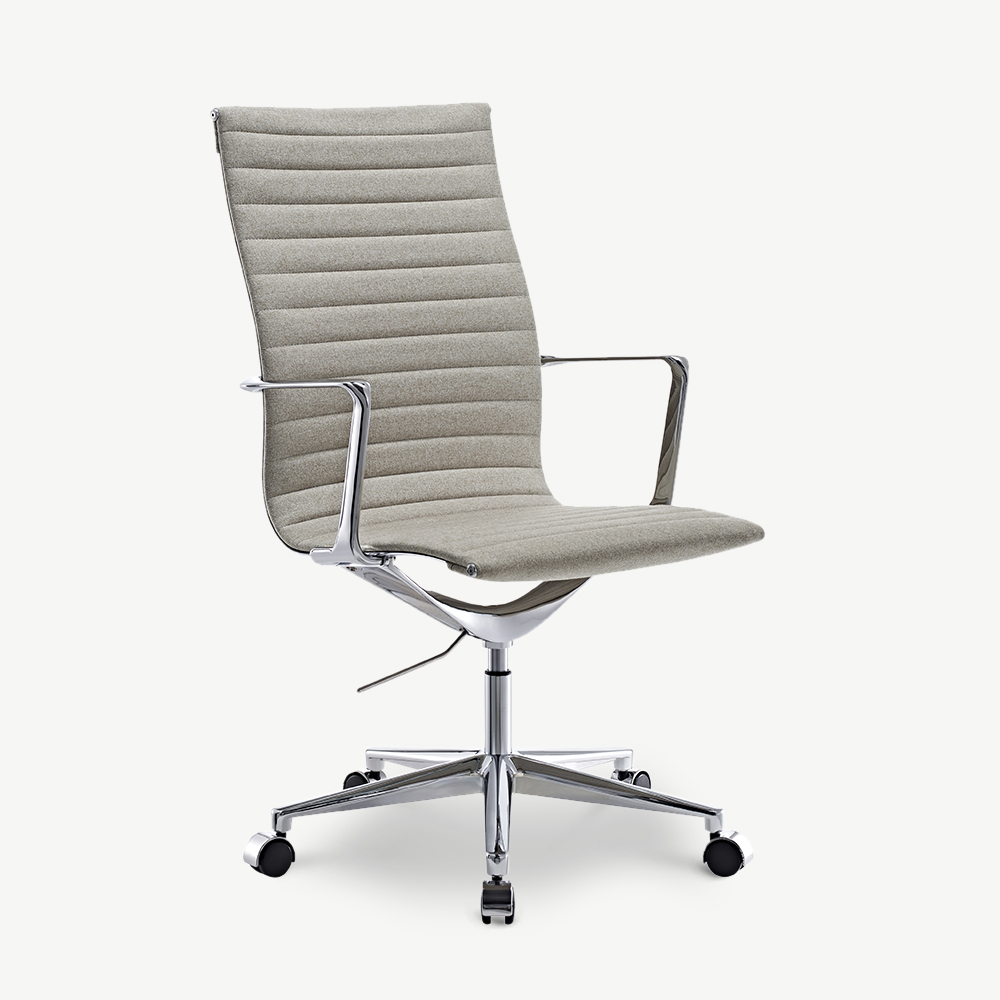
The shift in the last five years has been towards home office chairs that borrow from residential furniture: beige and oat fabrics, lightly curved backrests instead of slabs of mesh, wood-tone or matt black bases, slim profile. The mechanism is the same as a corporate chair, the visual register is not. Compare our beige office chair and pink office chair articles for the colour-by-room logic.
| Room context | Works | Avoid |
|---|---|---|
| Spare room / nook | Beige, oat, soft brown | High-back black mesh |
| Living-room corner | Wood-base, slim profile | Visible gas-lift cylinder |
| Bedroom desk | Soft fabric, matt finish | Leatherette, chrome |
| Dedicated study | Anything, function-led | Nothing categorically |
The chair that gets used by two
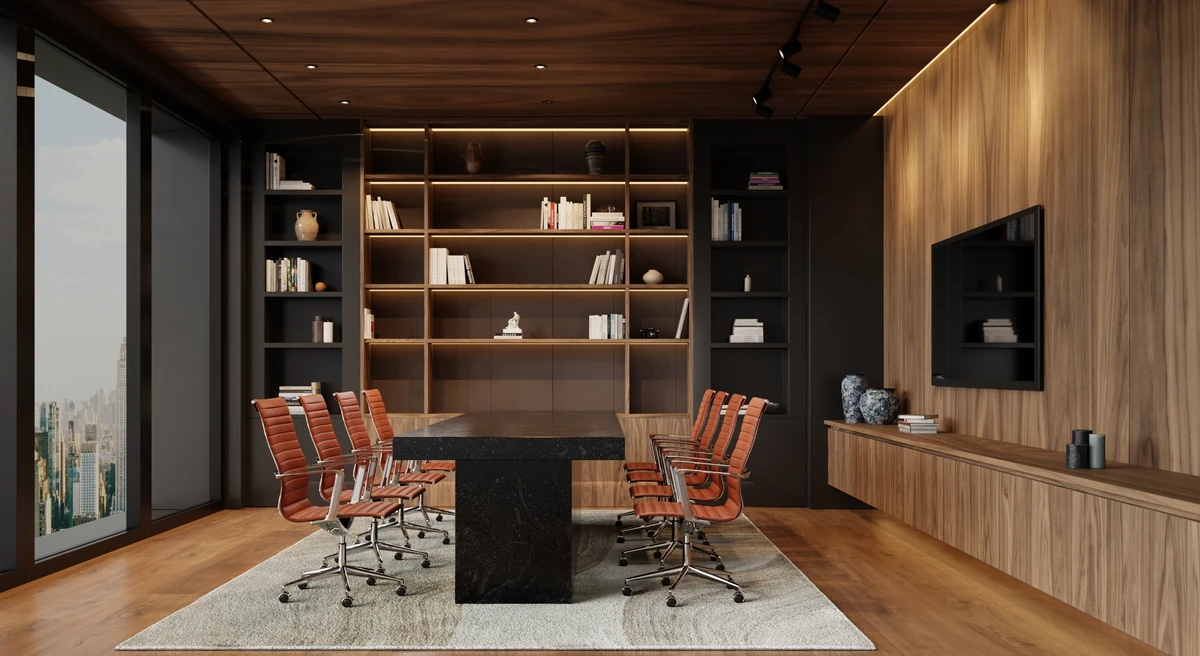
One-bedroom flats, shared studies, parents working alternate shifts: most home office chairs see two bodies over a week, even if only one person bought it. The chair has to accommodate two sets of body dimensions without re-engineering itself every morning.
What to actually buy
For 6+ hour home days: €299 to €499 buys a chair with PU castors, 42 to 55 cm seat range, residential aesthetic, and EN 1335 compliance.
Under €150: occasional-use only. Static, single-day comfort, no daily-driver durability. €199 to €299: practical for 4-hour days, 3 to 5 year life. €299 to €499: the sweet spot for full-time home work, 10-year frame warranty, all the home-specific features above. Above €499 buys finer fabric, 4D armrests, longer warranty, but rarely changes the daily experience.
Our home office chair selection from €99 to €499 ships with PU soft-wheel castors as standard and seat-height ranges of 42 to 55 cm. Pair with our office chair buying guide for the wider context. For deeper detail see ergonomic office chair guide and leather office chair. For a desk and chair that visually belong in the same room, the Japandi collection or Scandinavian furniture pair well with a soft-fabric task chair.
Frequently asked.
What is the difference between a home office chair and an office chair?
Mechanically, not much. The frame, gas lift and tilt mechanism are the same. The practical differences are: PU soft-wheel castors as standard (to protect home flooring), wider seat-height range (42 to 55 cm to match non-standard home desks), residential-feeling upholstery and base (so it does not visually shout office), and a partner-sharing reality that asks for fast tool-free adjustment.
Will a home office chair scratch my parquet floor?
Standard hard nylon castors will, over time. PU soft-wheel castors will not, the polymer is softer than typical floor finishes. Every Furnicher home office chair ships with PU castors. If you have a high-traffic zone under the desk, add a 120 × 100 cm chair mat as cheap insurance, cheaper than refinishing the parquet in three years.
What seat height should I look for if I have a non-standard desk?
Most home desks fall between 70 cm and 78 cm. A chair with a 42 to 55 cm seat-height range covers the entire spectrum, including dining-table desks at 70 cm and sit-stand desks at 76 cm. When seated with feet flat, your elbows should rest at desk level without raised shoulders. If they do not, the chair height is wrong or the desk height is wrong, not the user.
How much should I spend on a home office chair?
For occasional use (2 hours a day), €99 to €199. For regular home work (4 hours a day), €199 to €299 with 3 to 5 year life. For full-time home days (6+ hours), €299 to €499 buys a daily-driver with 10-year frame warranty and the home-specific features (PU castors, wide height range, self-adjusting lumbar). Above €499 the gains are real but incremental.
What is the best home office chair for two people sharing?
Look for a wide seat-height range (42 to 55 cm), a tool-free seat-depth slider, and self-adjusting lumbar that flexes with body weight rather than needing manual repositioning. Single-axis armrests (height only) are enough; 4D is overkill for shared use because the secondary user rarely re-adjusts four axes. Budget €299 to €499 for these features.
