 9800+ TRUSTPILOT REVIEWS


 EN
EN DE
DE FR
FR NL
NL
Restaurants pick chairs for one reason: they survive 200 sittings a week. That makes them an interesting category for the home, where most dining chairs see two sittings a day and still fail at the joint after eight years. The trade-off is comfort. Restaurant chairs are designed to seat you for 90 minutes, not three.
This guide covers the four classic restaurant-chair styles that translate to home dining, how they really feel after the first hour, where the build-quality difference between contract-grade and domestic versions actually sits, and which combinations work in a modest 18 m² European dining room.
The chair that built the café
The Thonet No. 14, designed by Michael Thonet in 1859, was the first piece of mass-produced furniture: six pieces of steam-bent beech, ten screws, two nuts. By 1930 over 50 million had been sold. It became the standard café chair across Vienna, Paris, and Berlin, and it is still the visual reference every restaurant-style dining chair points back to today.
What restaurants liked about it then is what makes it work at home now: it stacks for storage, weighs around 3 kg, takes a wipe down with a damp cloth, and survives daily use for decades. The trade-off is that the seat is flat beech or paper rush, which feels firm after an hour.
- Bentwood beech: steam-bent at 100°C, kiln-dried, holds the curve for decades
- Standard heights: 45 to 47 cm seat, fits all dining tables (74 to 76 cm tops)
- Stack height: up to 8 chairs, useful for studios and dining rooms used as work spaces
Restaurant chairs that work at home
Four shapes cover most of what people mean when they search for restaurant-style dining chairs. Each has a different comfort profile and pairs differently with the room around it.
Bentwood Thonet
The classic. Curved beech back, round wood or woven cane seat. Reads bistro rather than industrial. Pairs well with reclaimed-wood tables, marble bistro tops, and our Scandinavian-style rooms where it adds a Vienna note.
89 to 139 EUR. Firm seat: add a 2 to 3 cm linen cushion for dinners over an hour.
Café metal frame
The Parisian terrace chair. Powder-coated steel frame, wood or rattan seat. Lighter than bentwood (around 4 kg) and the most stackable of the four. Best in lofts, kitchen-dining spaces, and rooms with concrete or terrazzo floors that match its metalwork.
99 to 149 EUR. Not the most forgiving on parquet: felt pads on the feet are non-negotiable.
Leather and wood
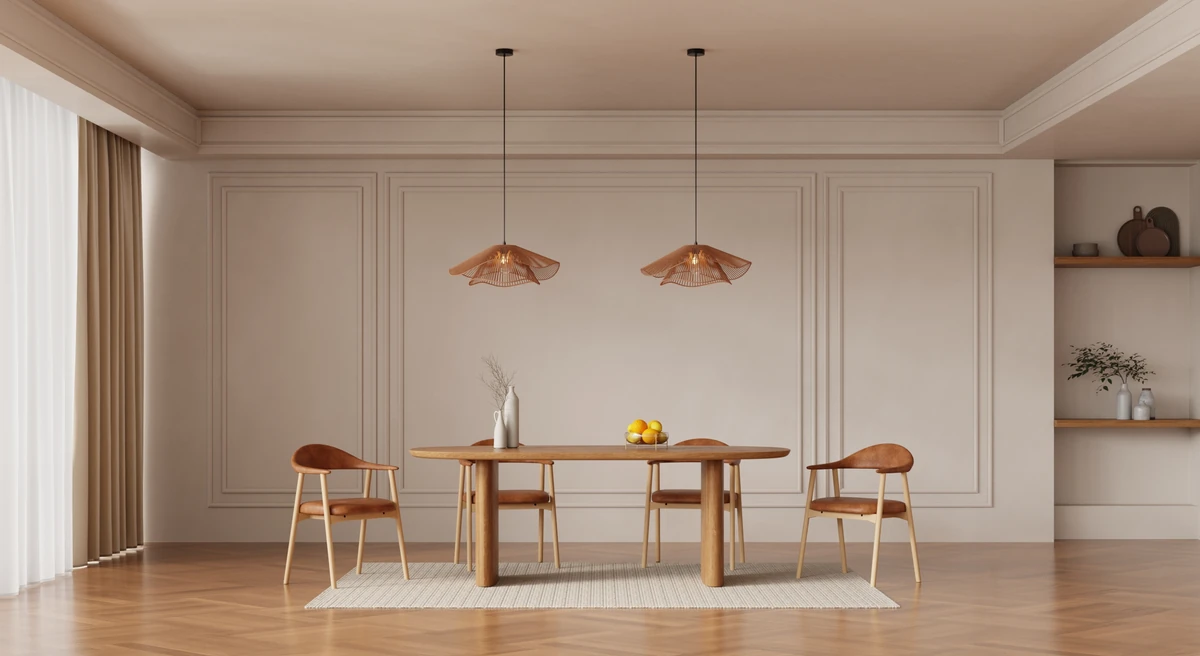
What you see in a steakhouse. Saddle-leather seat over a wood frame, sometimes with brass studs at the edge. Comfortable for two-hour dinners and the only restaurant-style option that ages with patina rather than wear. Anchors a dining room rather than disappearing into it.
149 to 229 EUR for full-grain. Avoid bonded leather under 90 EUR: it peels at year four.
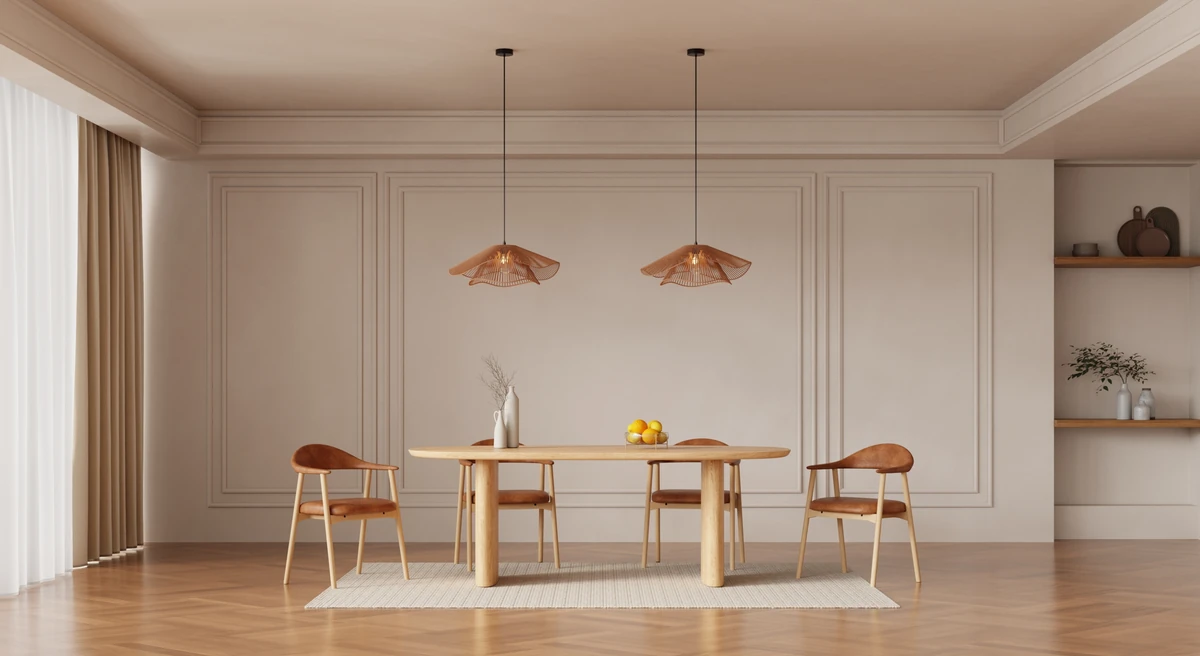
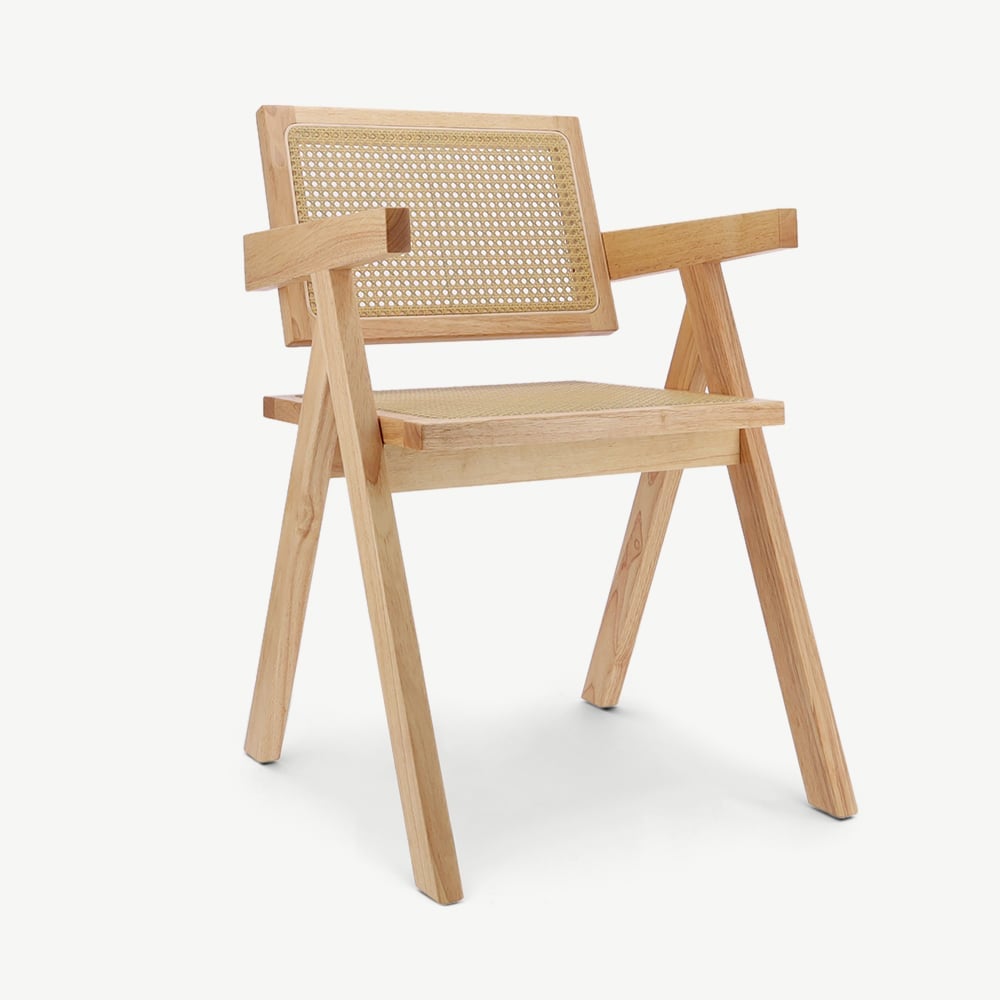
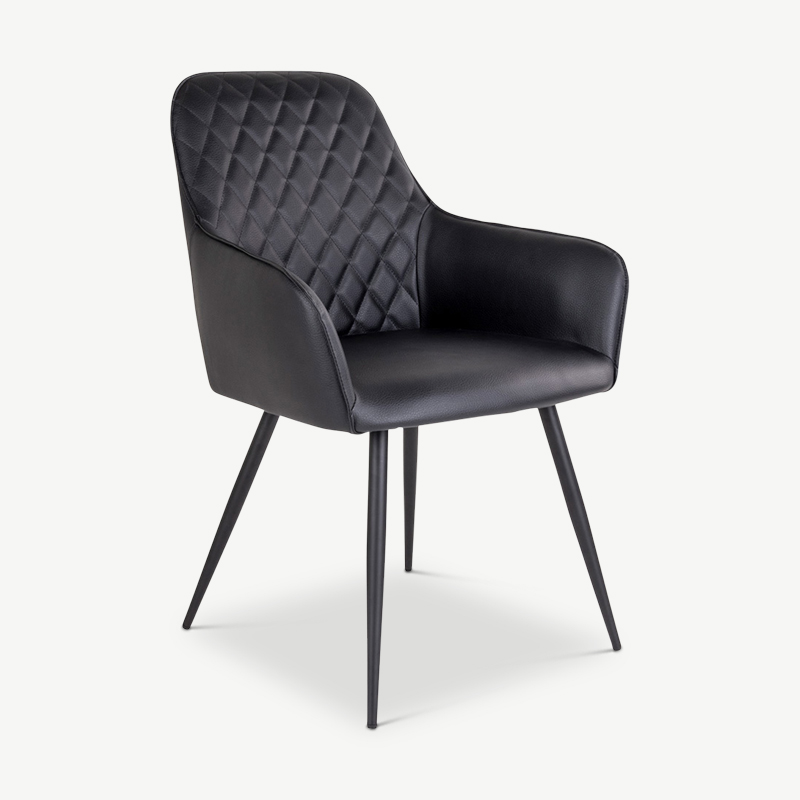
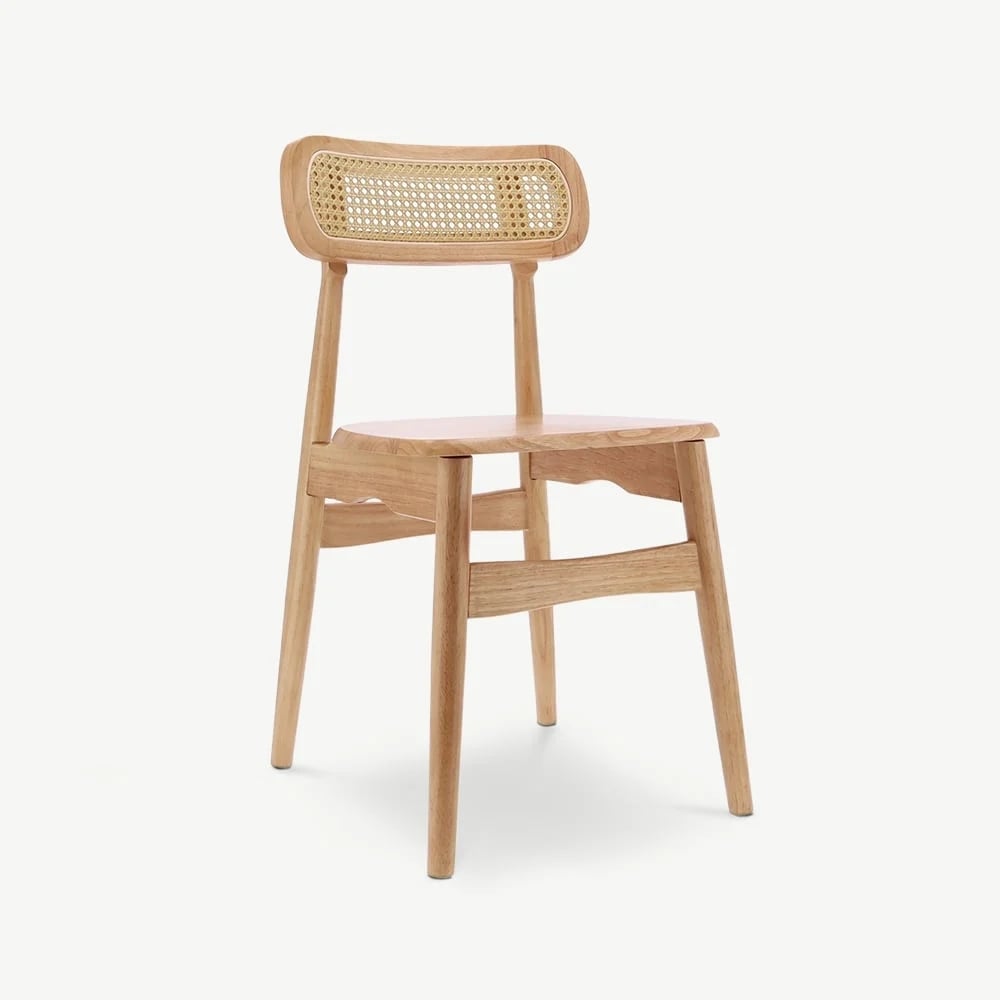
Featured in this guide

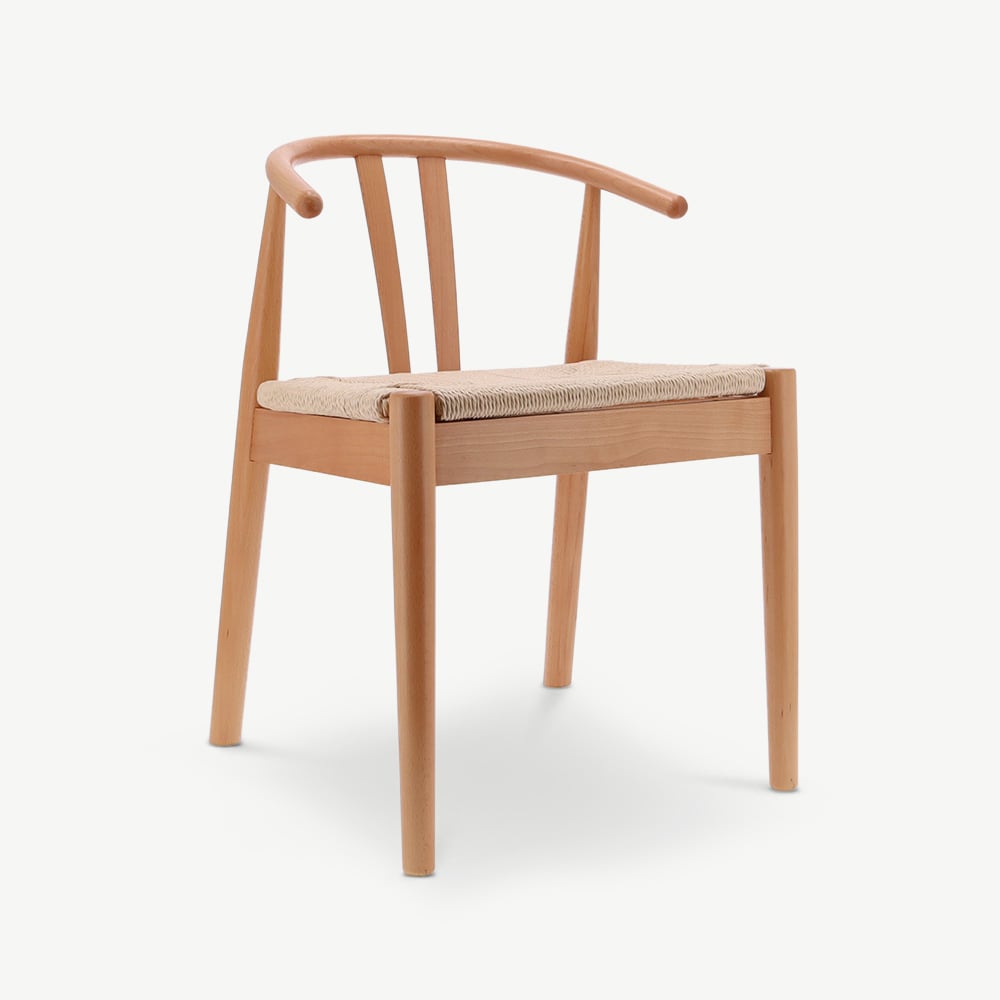
Contract grade versus domestic versions
The same chair design is often sold in two builds: contract grade for restaurants, hotels, and cafés, and domestic grade for homes. The visible difference is none. The structural difference is the warranty.
| Spec | Contract grade | Domestic version |
|---|---|---|
| Frame thickness | 28 to 32 mm | 22 to 26 mm |
| Static load test | EN 16139 L2 (150 kg) | EN 12520 (110 kg) |
| Upholstery fire spec | BS 5852 / IMO | Domestic standard |
| Typical price per chair | 180 to 350 EUR | 89 to 179 EUR |
| Warranty | 5 to 10 years | 2 to 5 years |
Domestic versions are honest furniture. A home dining chair gets 2 to 4 sittings a day; a restaurant chair gets 30. The contract spec is solving a problem you do not have. Pay for it only if your dining table is used daily by more than six people, or if the chair will live in a small business setting.
What to know before you commit a set of six
Restaurant chairs photograph beautifully. They also behave very specifically once they are in your dining room. These four points cover what people tell us after the first three months.
Buy them, but buy two styles
Restaurant-style chairs are the most durable category at the under-200 EUR price point.
The bentwood and metal frames outlast most upholstered alternatives at the same price by a factor of two. The leather options age into something better than they started. The only honest caveat is the seat: firm after an hour, fine with a thin cushion.
Browse our dining chairs collection. Restaurant-style models sit between 89 and 179 EUR. The bestseller mix is two bentwood end chairs with four leather sides for a 6-seat table, which lands at around 760 EUR for the set.
The full dining chairs buying guide covers materials, dimensions, and matching to your table. For pairing ideas, our dining tables collection includes the reclaimed wood and marble bistro tops that suit this style best.
Frequently asked.
Are restaurant chairs comfortable enough for home dining?
Restaurant chairs are built for 60 to 90 minute sittings, not three-hour Sunday lunches. Bentwood Thonet-style and metal café chairs do fine for a regular meal but are firmer than upholstered dining chairs. If your household sits at the table for longer, look at leather-on-wood combinations, or plan to add a thin seat pad in linen or felt. This is what most cafés do once they want regulars to stay for dessert.
What is a Thonet chair?
The Thonet No. 14, designed in 1859, is the original bentwood café chair: six pieces of steam-bent beech, ten screws and two nuts. Over 50 million were sold by 1930 and the design is still in production. Today bentwood is the umbrella term for any chair built using the same steam-bending technique, including the variants you see in Parisian brasseries and Viennese kaffeehäuser.
How much do real restaurant-grade chairs cost?
Commercial-grade dining chairs from contract suppliers run 180 to 350 EUR per chair. Domestic versions of the same designs run 89 to 179 EUR. The difference sits in frame thickness (28 mm vs 24 mm), load testing (150 kg vs 110 kg), and fire-retardant upholstery, not in visible aesthetics. For home use, the domestic version is the right buy unless the chair will be used 8 hours a day.
Will bentwood chairs hold up to daily family use?
Yes, with one caveat. Bentwood beech frames last 20 to 30 years under normal dining use. The weak point is the seat-to-leg joint, which loosens after 8 to 10 years of daily use. This is a 30 minute repair: tighten the screw, add a drop of wood glue, clamp for 4 hours. The chair holds for another 15 years after that, which is why second-hand markets still sell 1950s Thonet chairs in working condition.
Can I mix restaurant chairs with my existing dining table?
Standard dining tables sit at 74 to 76 cm. Restaurant-style chairs come in 45 to 47 cm seat height, which works under all of them. The visual question is the bigger one: bentwood and café metal both read industrial or bistro, which pairs well with reclaimed wood, marble, or steel tabletops. They pair less well with high-gloss lacquer or veneered MDF tables, where the gap in material honesty shows up quickly.
Are leather restaurant chairs worth the price?
Full-grain leather restaurant chairs run 150 to 250 EUR and last 15 to 25 years, ageing with patina rather than wear. The cheaper bonded-leather versions at 60 to 90 EUR look identical on day one but start peeling at the seat front by year four. If you want leather, full-grain is the only version worth buying. PU leather (polyurethane on a fabric backing) sits in the middle: 6 to 8 years before the surface cracks.
