 9800+ TRUSTPILOT REVIEWS


 EN
EN DE
DE FR
FR NL
NL
Nordic and Scandinavian are used interchangeably in marketing, but they describe different things. Scandinavia is three countries. Nordic is five. The design canon sits awkwardly across both, which is why even Copenhagen design museums use the labels inconsistently.
This guide untangles the geography, the design history, and what each label actually tells you when you are buying a chair or a sofa.
Three countries, then five
The Scandinavian peninsula in strict geographic terms is Norway and Sweden, the landmass that hangs down between the Baltic and the Atlantic. Politically and culturally, Denmark is included because it shares the same language family, monarchy traditions, and pre-1814 unions with Norway and Sweden.
Nordic is a broader regional term that adds Finland and Iceland to those three, plus the Faroe Islands, Greenland, and the Aland Islands. The Nordic Council, founded in 1952, is the political body that uses the term officially.
- Scandinavia: Norway, Sweden, Denmark (three countries)
- Nordic: Norway, Sweden, Denmark, Finland, Iceland (five countries)
- Strict geography: Scandinavia is only Norway and Sweden
- Common usage: Scandinavia almost always includes Denmark
Where the labels diverge in practice
Geographic precision matters less than design history. Two questions decide which label fits a piece of furniture: where was it designed, and which canonical tradition does it follow.
Scandinavian design
Tied to the 1950s movement defined by Danish, Swedish, and Norwegian designers: Wegner, Jacobsen, Mathsson. Light woods, pale palettes, functionalism. This is what most people mean when they say Scandinavian furniture.
Nordic design
Includes Finnish design (Aalto, Wirkkala, Eero Aarnio) and Icelandic craft. Sometimes warmer, sometimes more experimental. Marimekko's bold patterns are Nordic; they would not normally be called Scandinavian.
Used interchangeably
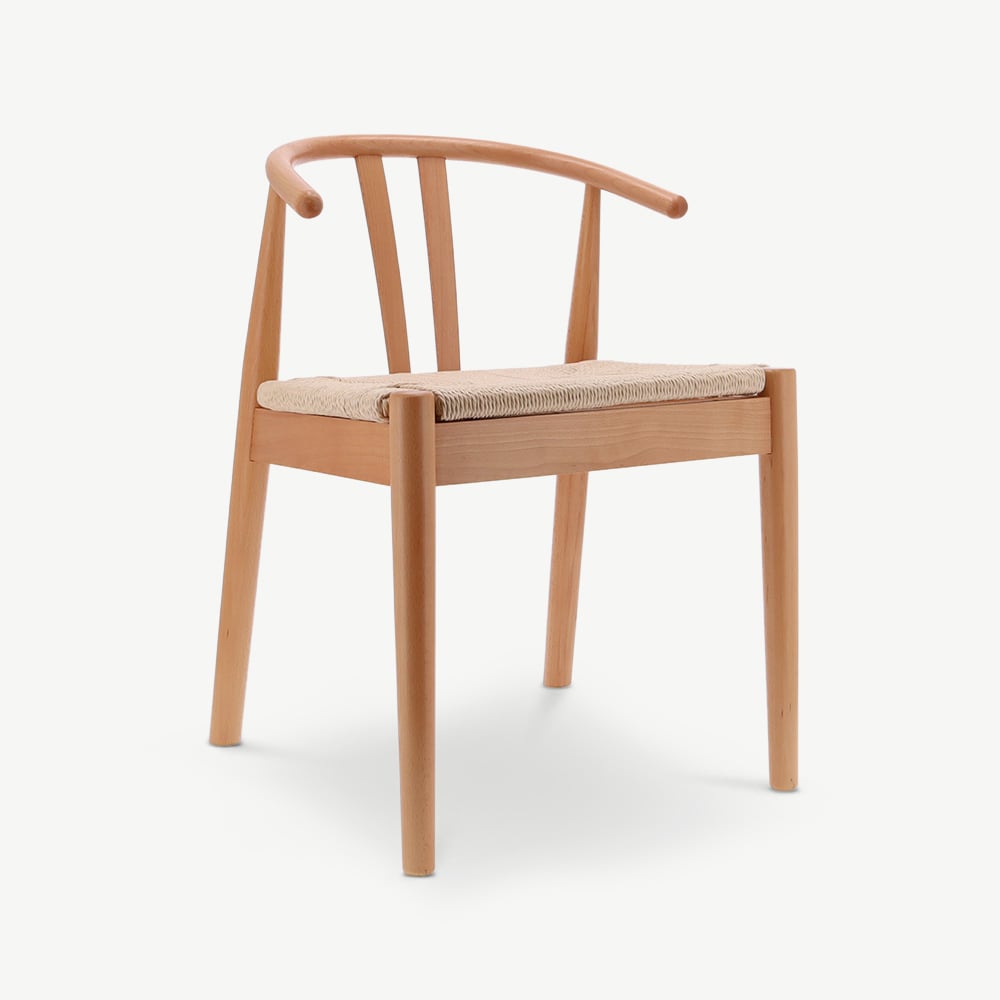
Most furniture retailers (including us, for some products) use the terms as synonyms because customers search for both. A Finnish-designed chair will show up under Scandinavian furniture because that is the dominant search term.
Featured in this guide
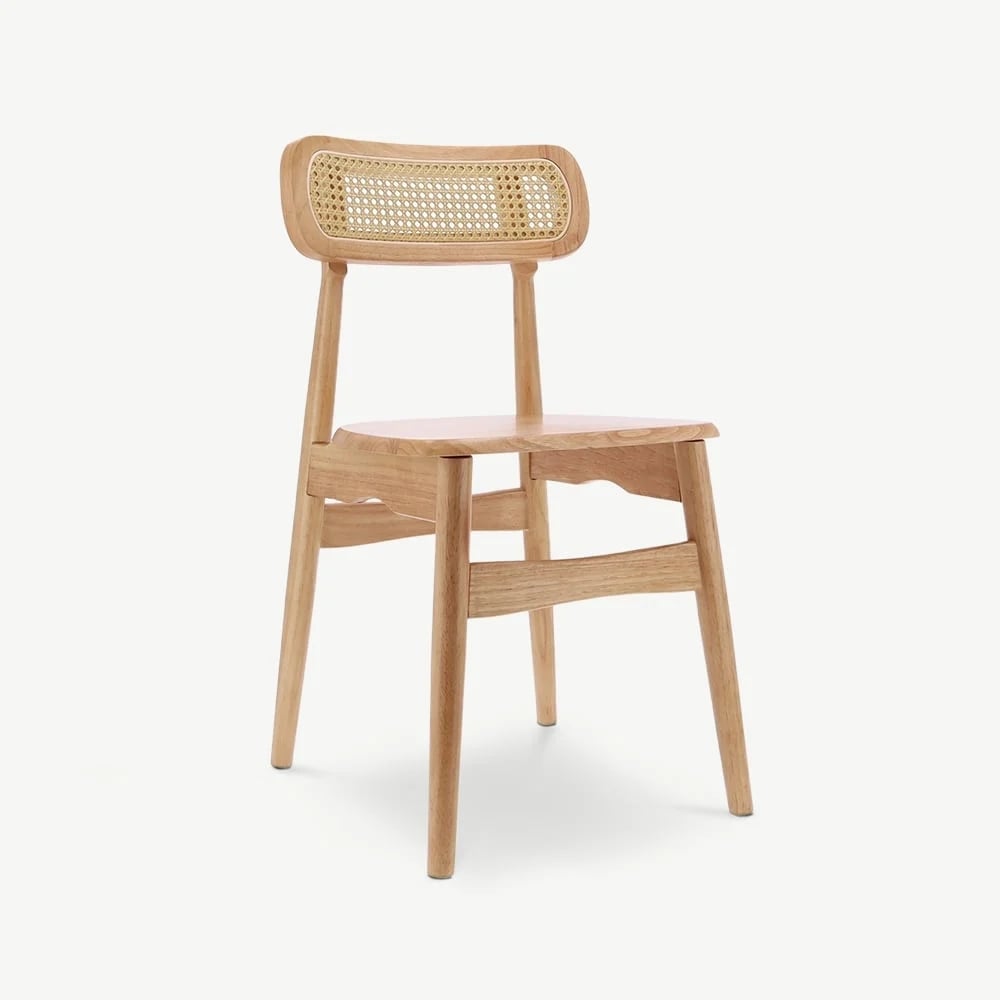


Side by side, what actually differs
Set aside the marketing and look at the design output. The differences are subtle but real, especially when you compare Finnish (Nordic) and Danish (Scandinavian core) traditions.
| Dimension | Scandinavian | Nordic (broader) |
|---|---|---|
| Countries | DK, NO, SE | + FI, IS |
| Wood preference | Oak, beech | Birch, pine (Finland) |
| Colour palette | Pale, neutral | Pale + bolder accent (Marimekko) |
| Era of canon | 1949 to 1965 | 1925 to today (broader) |
| Signature chair | Wegner Wishbone (1949) | Aalto Stool 60 (1933) |
For most buying decisions the distinction does not matter. For collectors, design students, and anyone writing a design dissertation, it does.
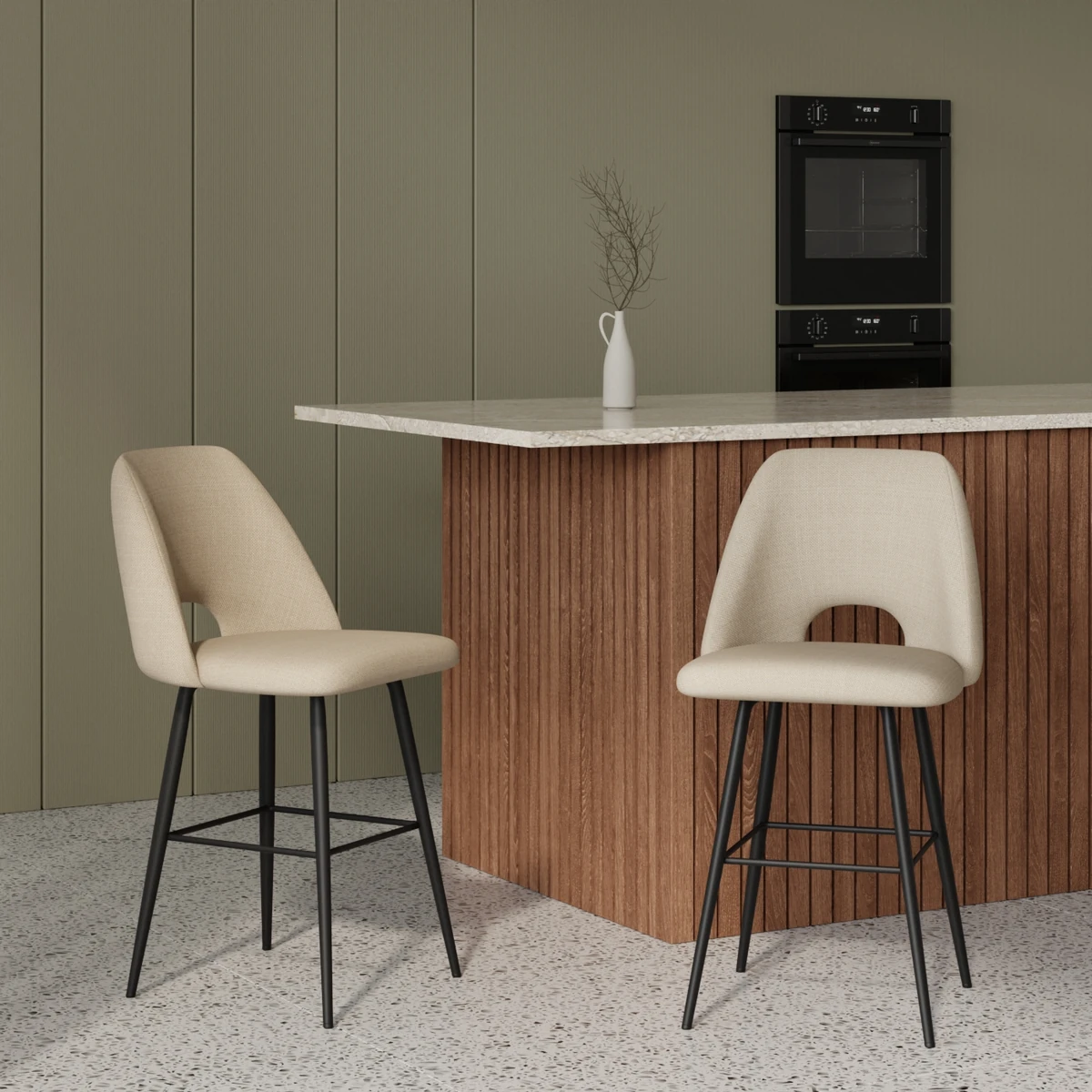
Which label should you actually search?
Use Scandinavian when buying. Use Nordic when reading.
Furniture retailers index almost everything under Scandinavian because that is what 90 percent of buyers type. If you are reading museum text, design history, or architectural press, Nordic is more accurate. The two labels point to the same canon for most pieces in production today.
To shop the canon, browse our Scandinavian furniture collection. The full background on the style is in our complete Scandinavian furniture guide, and the origin story in our what is Scandinavian design piece. Dining chairs from €99, oak pieces typically €179 to €399.
Frequently asked.
What countries are in Scandinavia?
Scandinavia in common usage refers to Norway, Sweden, and Denmark. In strict geography the Scandinavian peninsula is only Norway and Sweden, with Denmark sitting on the Jutland peninsula and a string of islands. Denmark is included almost universally because of shared language family, history, and culture.
What countries are Nordic?
The Nordic countries are Norway, Sweden, Denmark, Finland, and Iceland, plus the autonomous regions of the Faroe Islands, Greenland, and the Aland Islands. The Nordic Council uses the term officially since 1952.
Is Finland Scandinavian or Nordic?
Finland is Nordic. It is not Scandinavian in the strict sense: the Finnish language is not part of the Scandinavian language family, and Finland was not part of the historical Norwegian, Swedish, and Danish unions. In design contexts the line blurs because Aalto and other Finnish designers belong to the same postwar canon.
Is Iceland Scandinavian?
Iceland is Nordic, not Scandinavian. The Icelandic language is descended from Old Norse and is closer to Norwegian than Finnish, which makes the cultural overlap strong, but geographically and politically Iceland sits outside the Scandinavian core.
Is there a difference between Nordic style and Scandinavian style in interiors?
In furniture retail the two terms are used as synonyms. Strictly, Nordic style is slightly broader, allowing in Finnish boldness (Marimekko prints, Aalto bentwood) and Icelandic craft. Scandinavian style points more narrowly to the 1950s Danish-Swedish-Norwegian canon: pale woods, neutral palette, functionalist lines.
