 9800+ TRUSTPILOT REVIEWS


 EN
EN DE
DE FR
FR NL
NL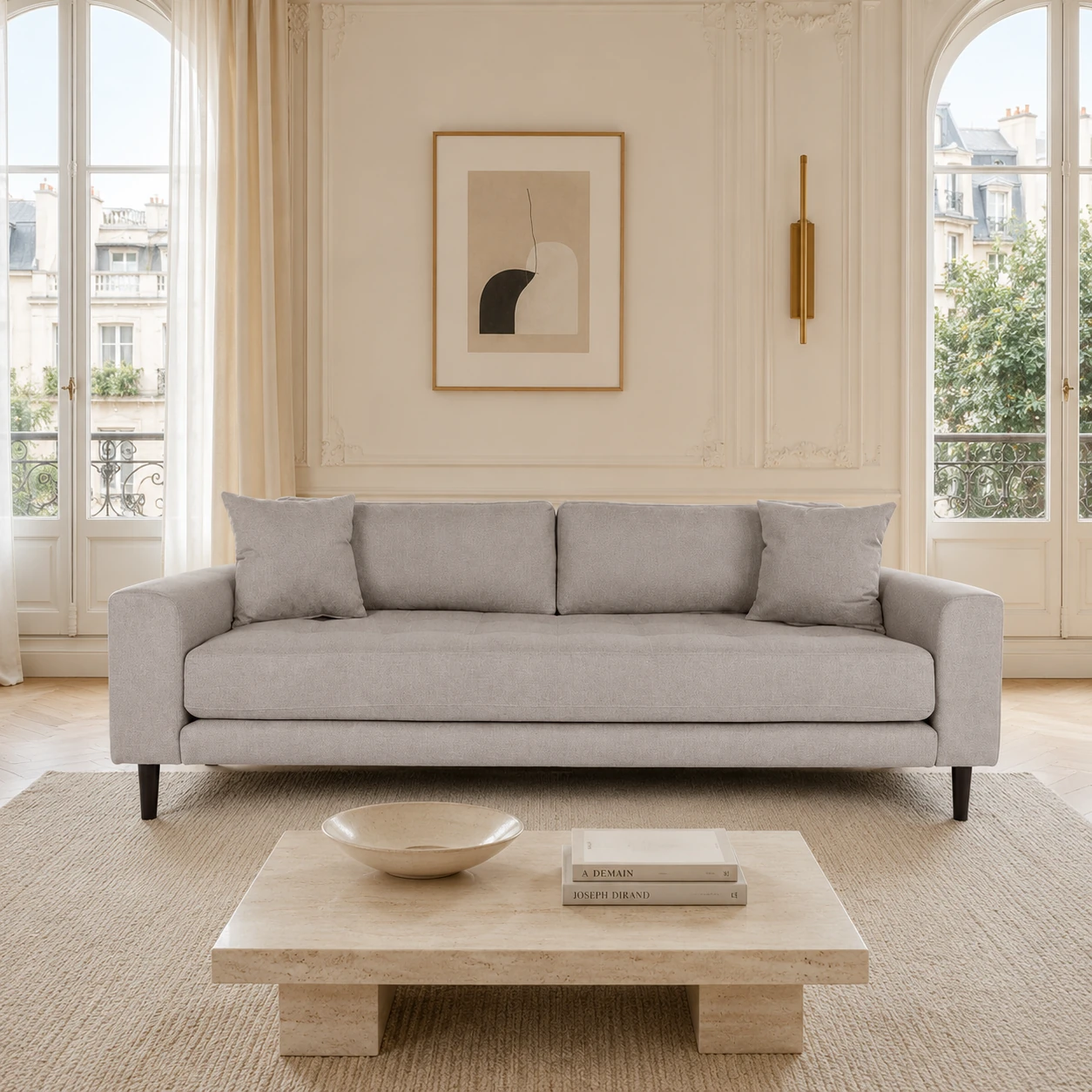
A 2-seater is roughly the width of a kingsize mattress. A 3-seater is a doorway and a half. The number sounds like seating capacity, but in practice it is a measurement: 140 to 170 cm versus 200 to 230 cm. The cushion count is the easier part of the decision. The harder part is how that extra 60 cm changes the room.
This guide covers the real dimensions, who fits where, the price gap, how each size pairs with armchairs, the delivery problem nobody warns you about, and what resale value looks like five years on. By the end you should know which one belongs in your room without measuring twice.
Two sizes, sixty centimetres apart
The dividing line in sofa catalogues is consistent. A 2-seater sits between 140 and 170 cm wide. A 3-seater sits between 200 and 230 cm. Depth tends to track together at 88 to 95 cm and seat height at 42 to 46 cm, regardless of seat count.
That gap, 50 to 60 cm, is roughly the width of one extra cushion. It is also, not coincidentally, the width of an average human shoulder. The 3-seater is built around the assumption that you can fit a third pair of shoulders, while the 2-seater is built around fitting two pairs with their armrests intact.
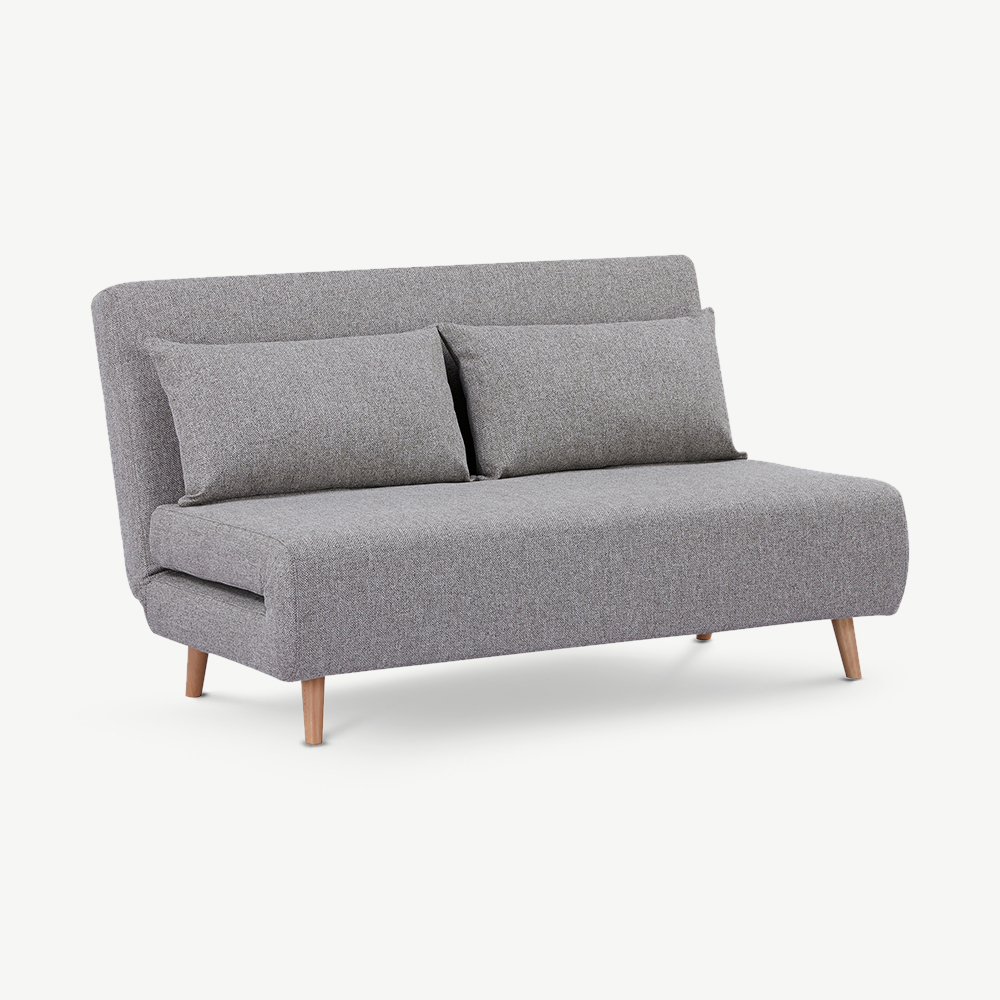
- 2-seater (loveseat): 140 to 170 cm wide, two seat cushions
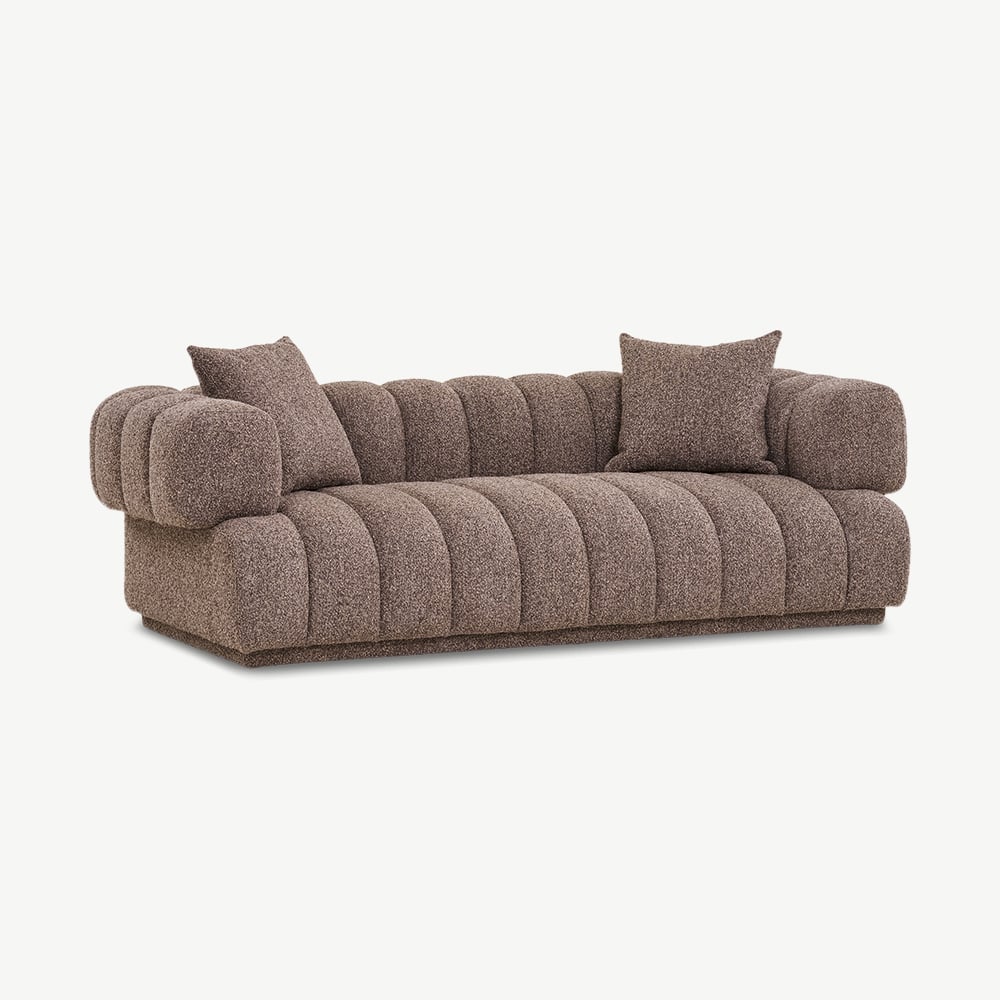
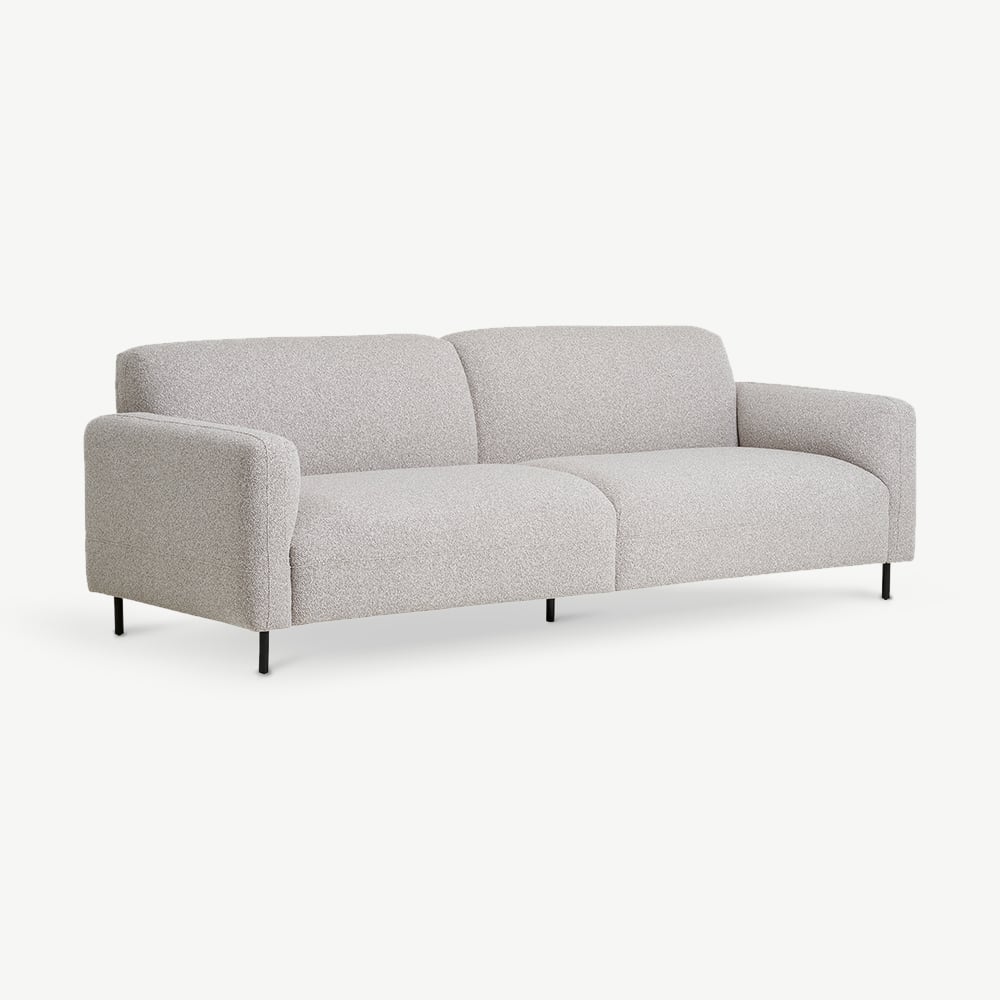
- 3-seater: 200 to 230 cm wide, two or three seat cushions
- Compact 2-seater: from 130 cm, used in studio flats and snugs
- Oversized 3-seater: up to 240 cm, blurs into 4-seater territory
Who actually fits, and how comfortably
Cushion count is not the same as capacity. Here is what each size holds in daily use, not in the catalogue diagram.
2-seater, 140 to 170 cm
Comfortable for one adult lying down or two adults sitting upright with shoulders almost touching. A second person with a laptop or a side plate of food will feel cramped. Children and pets distribute over the seat fine.
Works as the primary seat in a flat under 60 m², or as the secondary seat alongside a 3-seater in a bigger room.
3-seater, 200 to 230 cm
Two adults sit with personal space and a drink each. A third adult fits for a film or a dinner, not for a daily evening of television. Two adults plus a child or a medium dog is the realistic family configuration.
One tall adult (over 180 cm) can lie down fully. A pair lying foot-to-foot will need a chaise or a corner.
4-seater or corner, 240 cm+
If three adults regularly share the sofa, skip the 3-seater. A 4-seater at 240 to 280 cm or a corner sofa solves the problem properly. The cost step is bigger here than between the 2 and 3-seater.
See our full sofa range for the 4-seater and corner options.
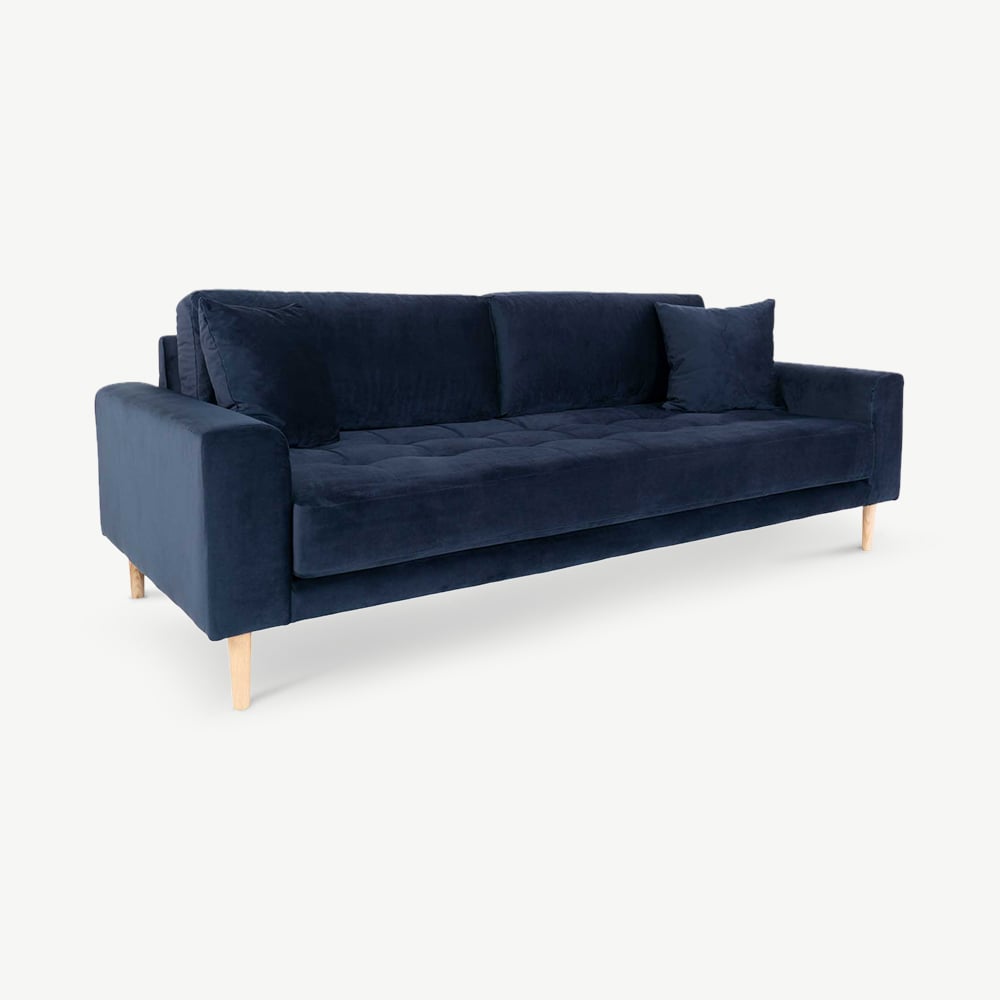
Featured in this guide

How big does the room really need to be?
The rule of thumb most designers use: the sofa should occupy two-thirds of the longest unbroken wall, no more. Apply that backwards and you get a usable threshold for room size.
| Lounge floor area | Best fit | Why |
|---|---|---|
| Under 12 m² | Compact 2-seater | 130 to 150 cm only |
| 12 to 16 m² | 2-seater | Keeps walkway free |
| 16 to 22 m² | Either works | Depends on traffic flow |
| Over 22 m² | 3-seater (or 3 + 1) | 2-seater looks lost |
Price-wise, within the same model line you can expect a 3-seater to cost €200 to €400 more than its 2-seater sibling. At Furnicher, that puts most 2-seaters between €499 and €1,200, and most 3-seaters between €699 and €1,800, depending on fabric and frame. The jump between seat counts is smaller than the jump between fabric grades.
Pairing, delivery, and what happens at resale
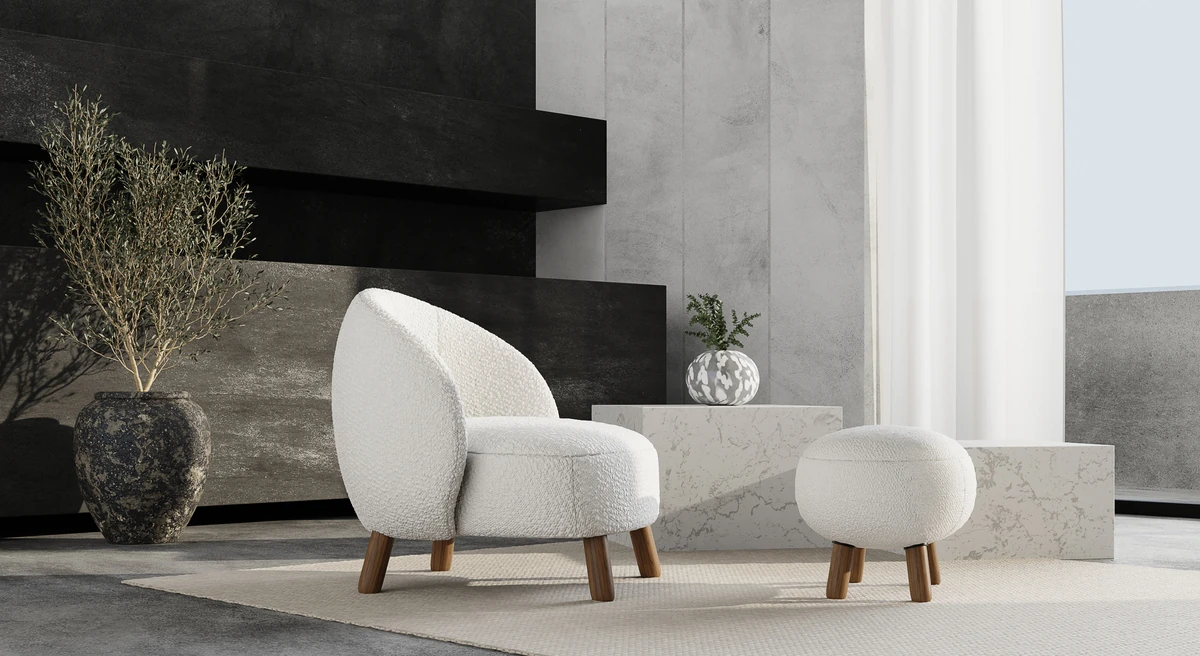
Three things rarely make it into the size debate but should: how the sofa pairs with other seating, whether it fits up the stairs, and what it sells for second-hand.
So, which one is right for you?
Pick the 2-seater if your lounge is under 16 m² or you expect to move within five years.
Pick the 3-seater if your lounge clears 22 m², if you regularly host two or more people for a film, or if you want a single sofa that absorbs the whole family. Anywhere in between, decide on the secondary criteria: lift access, budget gap, and what you want to pair it with. Most rooms over 18 m² that take a 3-seater also take a single armchair without crowding.
Browse our full sofa collection. 2-seaters start at €499 with most sitting between €599 and €1,200. 3-seaters start at €699, with the typical range falling between €899 and €1,800 depending on fabric, leather, and frame depth.
For a fuller walk-through of frames, fabrics, and care, our sofa buying guide covers the rest. If you are still weighing layout against seat count, the Japandi collection shows what compact 2-seaters look like when the room asks for restraint.
Frequently asked.
How wide is a 2-seater vs a 3-seater sofa?
A 2-seater sofa is typically 140 to 170 cm wide. A 3-seater is 200 to 230 cm wide. The gap is roughly one cushion, around 50 to 60 cm. Compact 2-seaters from 130 cm and oversized 3-seaters up to 240 cm exist, but the bell curve of sofa sales sits inside those bands. Depth and seat height track together: 88 to 95 cm and 42 to 46 cm respectively.
Can three adults actually sit on a 3-seater sofa?
Three adults fit on a 3-seater in a pinch, not comfortably. The standard 3-seater is sized so two adults can sit with personal space and a third can perch for a film or a meal. For three adults regularly sharing the sofa daily, look at a 4-seater (240 to 280 cm) or a corner sofa. The third seat on a 3-seater is best thought of as occasional, not daily.
Does a 3-seater sofa fit in a standard apartment lift?
Often not. A standard European apartment lift is around 100 by 130 cm internally. A boxed 3-seater is 210 to 240 cm long, which exceeds the diagonal of most lifts. 2-seaters at 140 to 170 cm usually fit. Check the lift width, depth, and door height before ordering. Many 3-seaters are designed with detachable arms or legs to solve this, which makes the carry-up possible even on tight staircases.
How much more does a 3-seater cost than a 2-seater?
Within the same model range, a 3-seater typically costs €200 to €400 more than the 2-seater. The extra cushion, frame length, and fabric account for most of that. Bigger jumps appear when you cross fabric or leather grades, not when you add a seat. At Furnicher most 2-seaters land between €499 and €1,200 and most 3-seaters between €699 and €1,800.
Two 2-seaters or one 3-seater plus an armchair?
A 3-seater plus an armchair seats four with clearer roles and works well in rooms over 18 m². Two 2-seaters seat four with more flexibility for conversation, take up similar floor area, but cost 20 to 40 percent more in total and double the cushion-care work. Pick by how the room is used, not by the seating count alone. If you host adults often, two 2-seaters facing each other reads more sociable.
What size room suits a 2-seater vs 3-seater?
Under 16 m² of usable lounge floor, a 2-seater keeps the room walkable. Between 16 and 22 m², either works depending on traffic flow and what else lives in the room. Over 22 m², a 3-seater scales properly and the room reads as proportioned. A 2-seater in a large room often looks lost; a 3-seater in a small one blocks circulation around the coffee table.
Which holds its resale value better?
2-seaters hold value better. After five years of normal use, 2-seaters fetch 35 to 45 percent of their original price second-hand, while 3-seaters drop to 25 to 35 percent. The reason is buyer pool: most people moving a sofa onward are downsizing, and a 3-seater is harder to fit in a new flat. If you expect to move within five years and want a sofa that resells cleanly, the 2-seater is the safer call.
