 9800+ TRUSTPILOT REVIEWS


 EN
EN DE
DE FR
FR NL
NL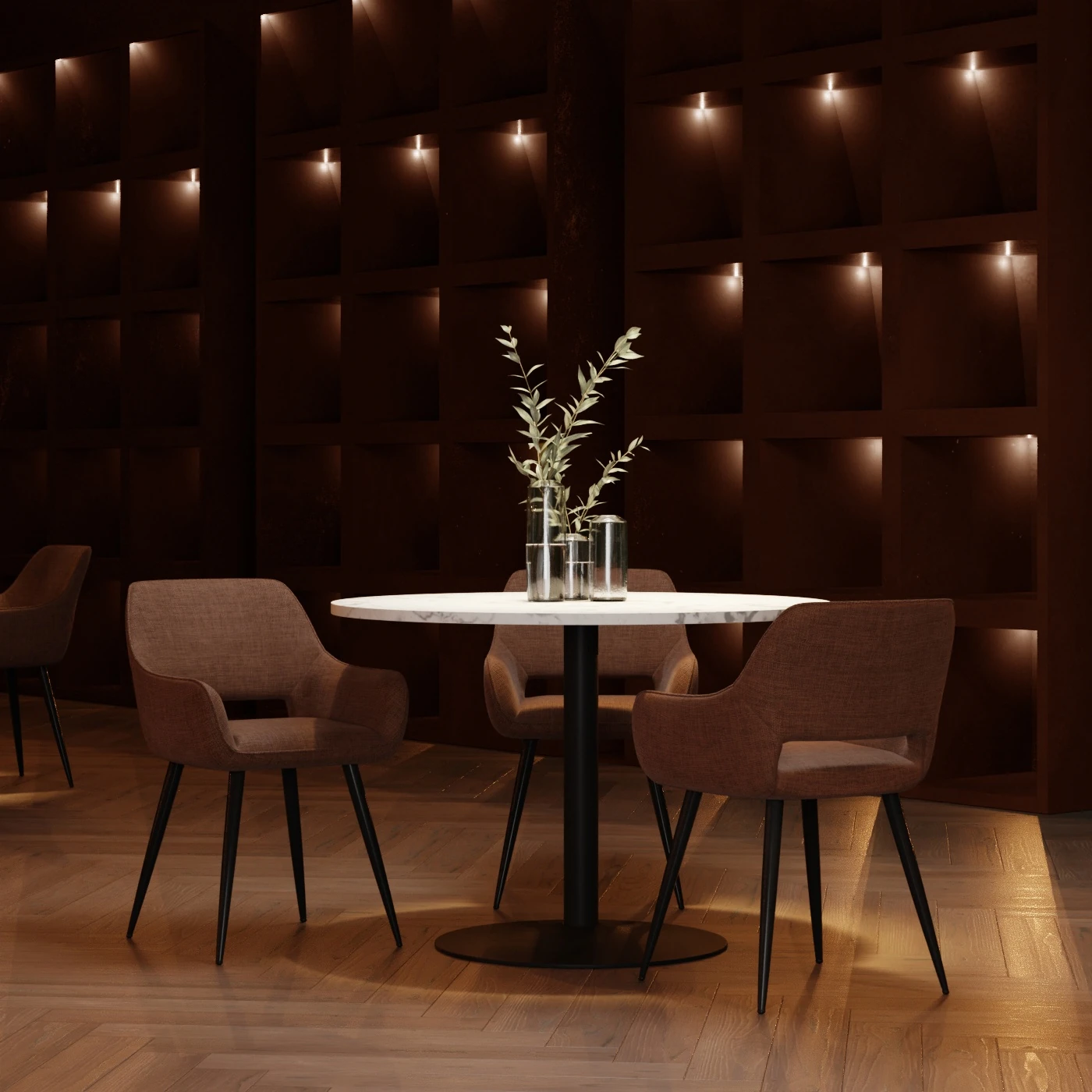
A domestic dining chair gets sat on maybe a thousand times a year. A restaurant chair on a busy cover gets sat on that many times in a month, dragged across a hard floor twice per sitting, wiped with a chemical cleaner nightly, and stacked at the end of the night. Buying the first for the second job is the most expensive mistake in a fit-out, and it is almost always made because the two chairs look identical in a photograph.
This guide covers what actually separates contract furniture from domestic furniture: the standards and the numbers to ask for, how to size a seating plan, what stacking really costs you, and the supply question that matters more than any single specification.

EN 16139, the line between domestic and contract
In the EU, non-domestic seating is tested to EN 16139 (strength, durability and safety of non-domestic seating). Domestic seating is tested to EN 12520. They are not the same test, and a chair that passes the domestic standard has not been asked the questions that matter in a restaurant.
EN 16139 grades seating into three use levels, and this is the single most useful thing to ask a supplier for. For a restaurant or cafe, L2 is the floor and L3 is the safer buy for bar stools and anything near a service station. Tables have their own family of standards (EN 15372 for non-domestic tables), where the question is the tipping and edge-load test rather than the surface finish.
If a supplier cannot tell you which level a chair is tested to, that is the answer: it has not been tested to that standard.
The three use levels
One number sorts a contract chair from a domestic one dressed up in a catalogue photograph. Here is what each level is built for, and where it stops.
L1 Light use
The lightest grade: a private office, a meeting room, a low-traffic hotel bedroom.
Weak point: nowhere near enough for a dining room that turns covers, however good the photograph looks.
L2 General use
The floor for hospitality. Most restaurant, cafe and hotel-lounge seating should be tested to at least this level.
Weak point: near a busy service station or a bar, L2 is working at its limit and L3 is the safer call.
L3 Severe use
Bars, canteens, airports, stadiums, anywhere with heavy standing-and-leaning traffic. The safer buy for bar stools.
Weak point: none for durability. The trade-off is usually price and a narrower choice of comfortable models.

The Martindale number to insist on
Martindale is the European abrasion test, expressed as the rub cycles a fabric survives. Ask for the figure, then read it against the bands that actually matter in a commercial room.
A caveat that catches people out: a very high Martindale rating often comes with a stiffer, less pleasant hand. Above about 100,000 the fabric starts to feel like what it is. On seat pads that guests touch with their hands, 40,000 to 60,000 in a good weave usually beats 150,000 in a hard one.
Ignitability, and why it varies by country
Upholstered furniture in public spaces has to meet ignition requirements, and this is where EU-wide advice breaks down, because the national rules genuinely differ. The two European base tests are EN 1021-1 (smouldering cigarette) and EN 1021-2 (match flame equivalent). Most contract fabrics are certified to both.
On top of those, individual markets add their own layer for premises open to the public:
- France: a fire classification (M1 and similar) for furnishings in public-access buildings
- Germany: DIN 4102 building-material classes
- UK: BS 5852 and the furniture fire safety regulations
If you are fitting out in more than one country, specify to the strictest market in your set rather than to each one separately. Ask for the fabric's EN 1021-1 and EN 1021-2 certificates as a matter of course, then ask specifically what it holds for the country you are fitting out in. Do not accept "it is fire retardant" as an answer.
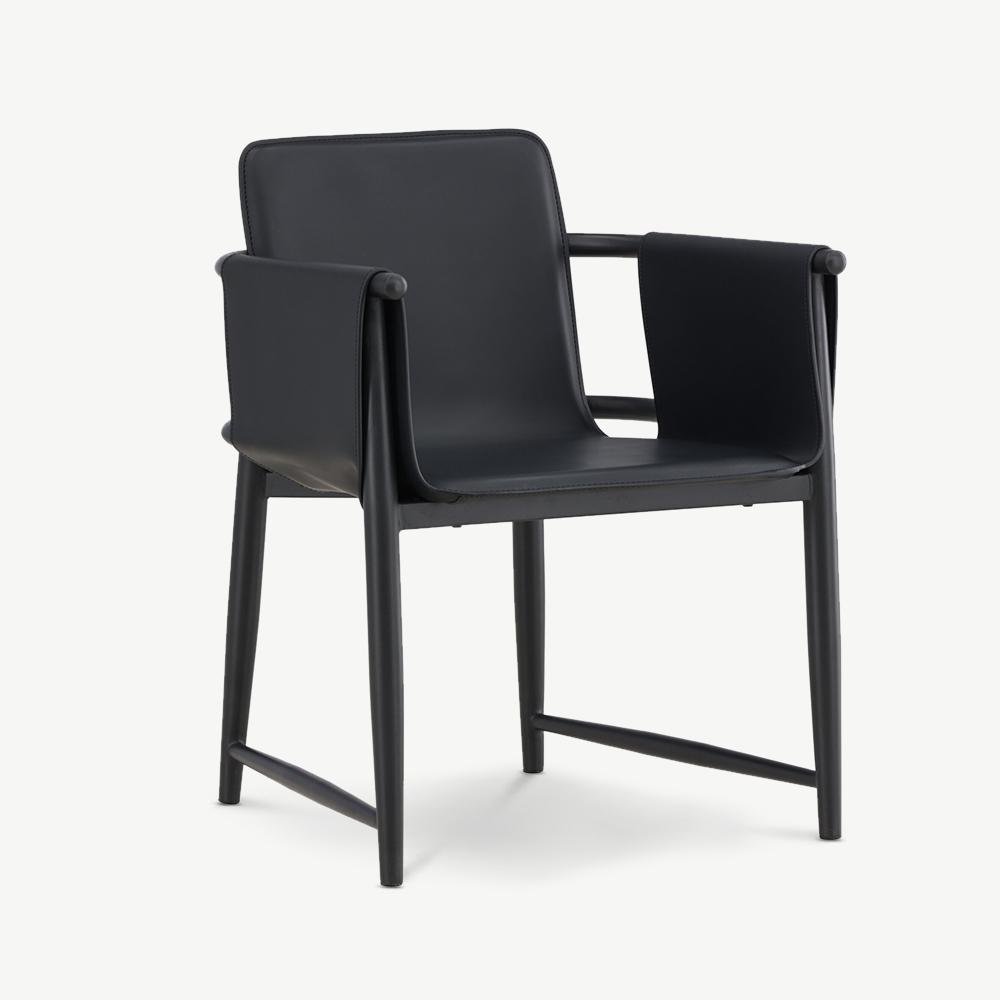
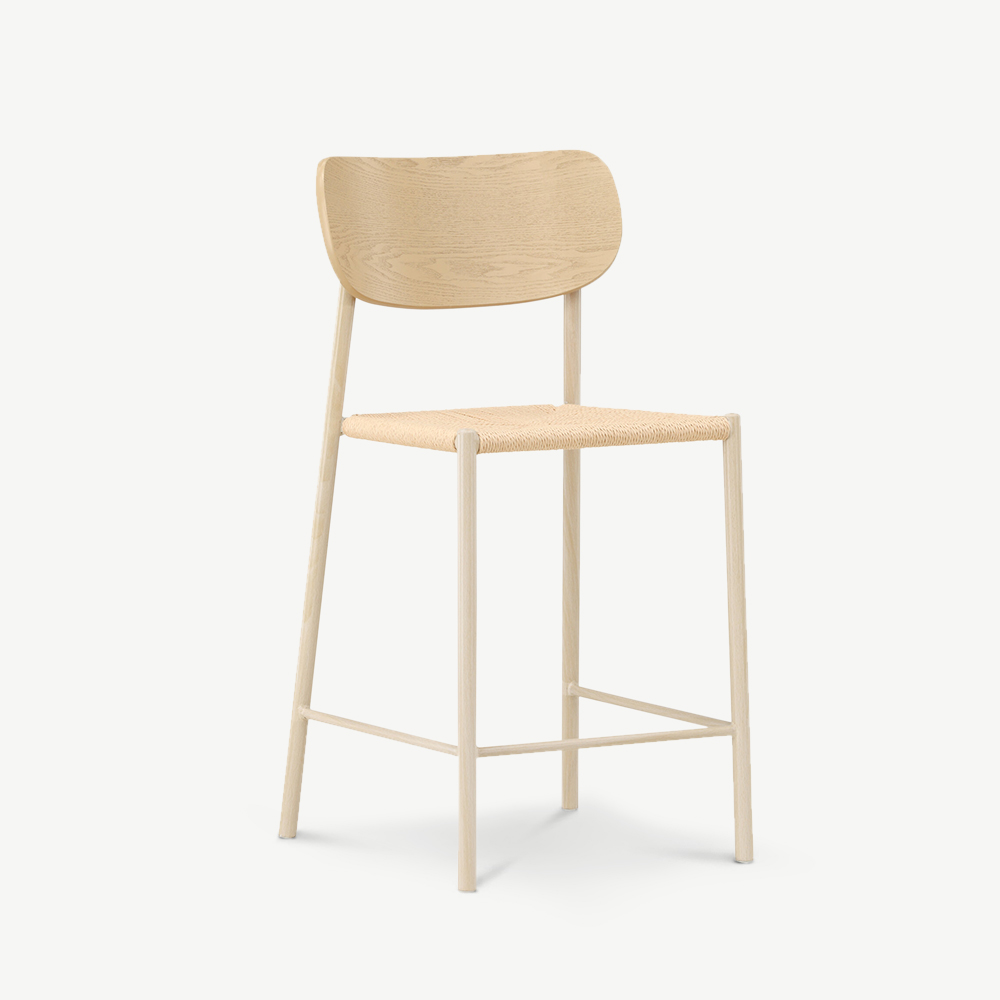
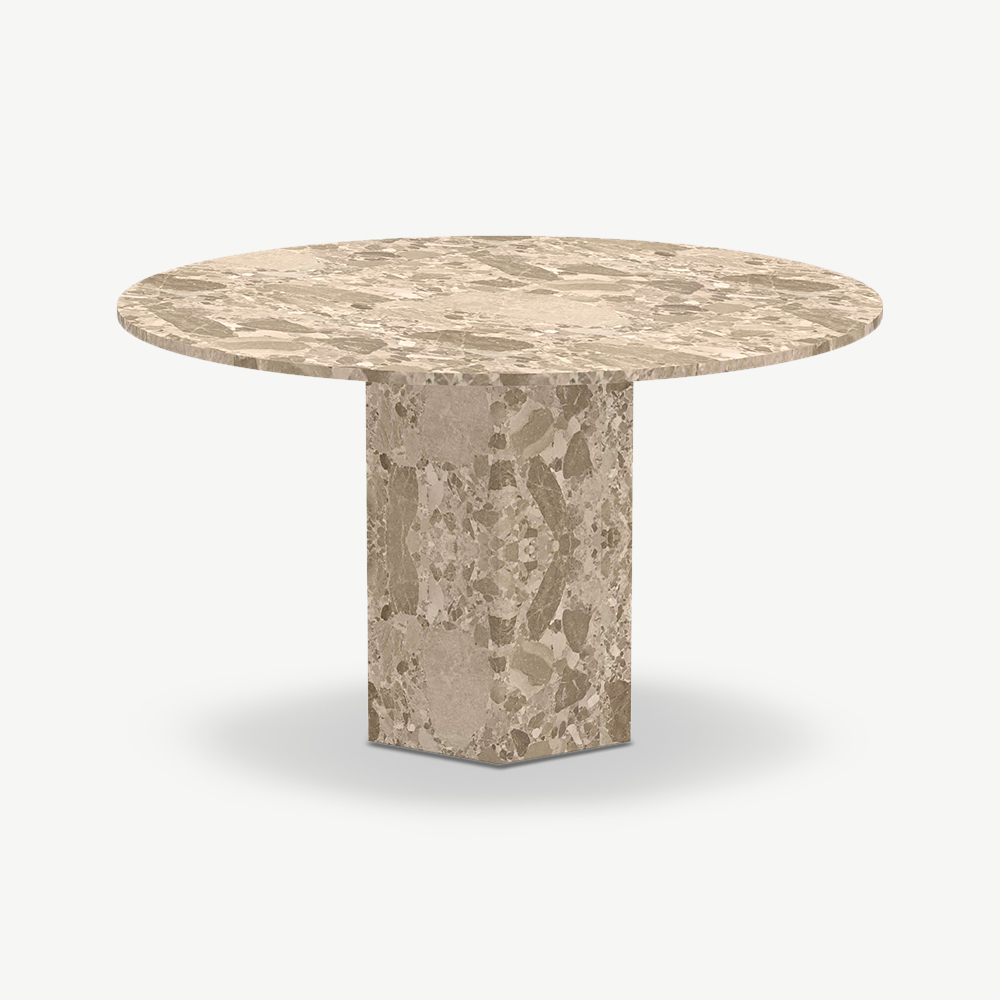
Contract grade pieces from this guide

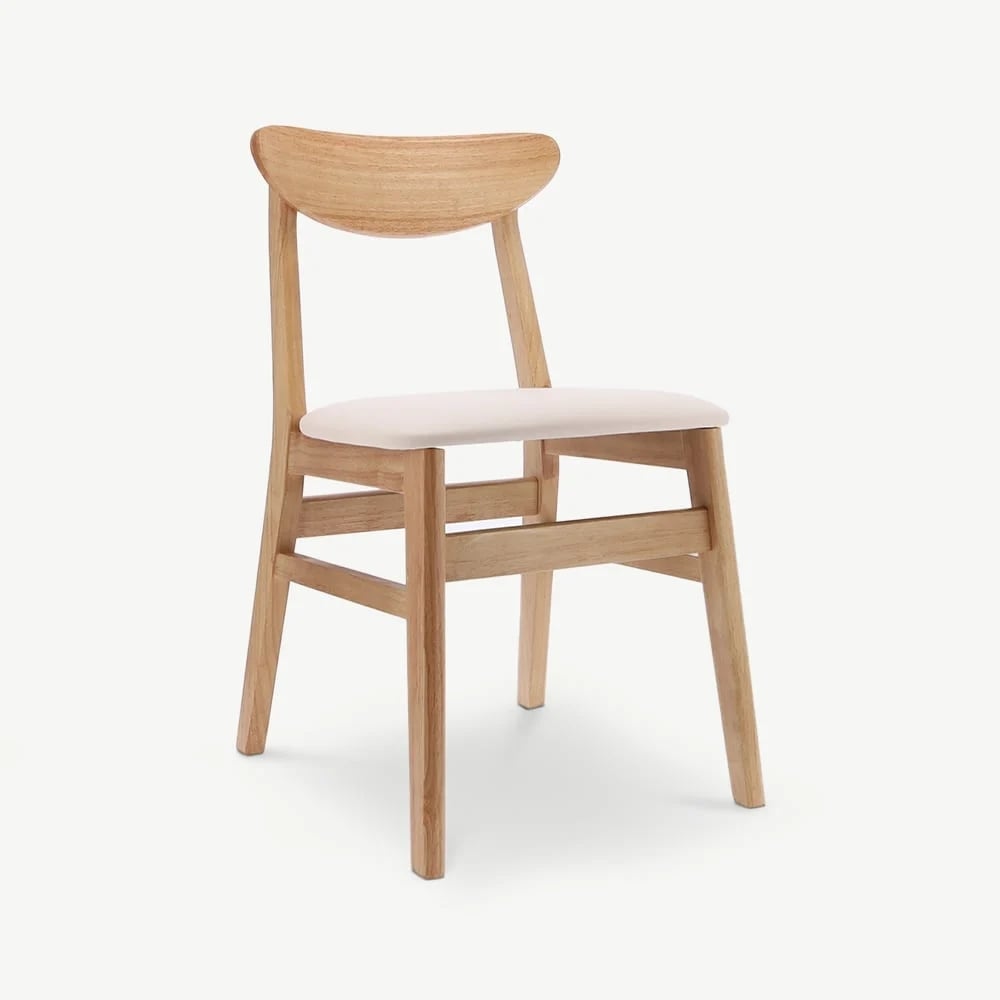
Where the real failures happen
Upholstery wears visibly and gets noticed. Frames and finishes fail invisibly and cost more. These are the four points worth checking before the fabric ever comes up.
- Joints: the load in a restaurant is lateral, not vertical. Look for a seat frame that is a closed rectangle with corner blocks or a welded steel subframe, rather than four legs meeting a flat seat pan.
- Floor glides: every chair is dragged twice per cover. Steel-cored nylon or replaceable screw-in glides are the sensible answer on hard floors, and the real question is whether replacements are available separately.
- Finish and cleaning chemistry: nightly wiping with a commercial cleaner is chemical exposure. Powder-coated steel and catalysed-lacquer timber tolerate it; oiled or waxed timber does not. If you want the look of oiled timber, get it in a lacquer.
- Outdoor and terrace: all-weather synthetic rattan over a powder-coated aluminium frame survives a European winter. Natural rattan and cane belong indoors, and aluminium beats steel because a chipped coating on steel will rust.
The numbers that decide your covers
Most seating plans are drawn to fit the room and then discovered to be unworkable in service. These are the figures that stop that happening.
- Seat pitch, back to back: allow 1,300 to 1,500 mm for two diners seated back to back with a service route behind. Below 1,200 mm, a seated guest has to move for every plate.
- Linear space per cover: 600 mm is comfortable, 550 mm is tight but workable, 500 mm is a bar counter, not a dining table.
- Table and seat height: a 750 mm table to a 450 mm seat gives the standard 300 mm differential. Bar counters at 1,050 to 1,100 mm need a 750 to 800 mm stool; poseur tables at 900 mm need a 650 mm stool.
- Main service aisle: 900 mm minimum for one server passing a seated guest, 1,200 mm if two staff pass, and check your national accessibility requirement, which is often the binding number.
- Chair footprint: measure at the widest point including arms, not at the seat. An armchair that adds 80 mm per side costs you a cover on a six-metre run.
Banquette seating is the one move that buys covers back: a run along a wall uses roughly 300 mm less depth per cover than free-standing chairs, and it removes the chair-dragging noise entirely on that side of the room.
Stacking, storage and the function room
If the space ever clears for functions, stacking capability is worth more than almost any other feature, and it is worth being specific about it.
Ask for the rated stack height, not the maximum physical stack. A chair that physically stacks twelve high but is rated for eight is rated for eight because the bottom chair deforms above that. Ask also whether the stack is designed to move on a trolley, because a stack that has to be carried in twos will not be stacked in practice.
The maths that matters: ten stacking chairs at a rated stack of ten occupy one chair footprint of floor. Ten non-stacking chairs occupy ten. In a 60-cover restaurant that converts to a 100-person standing function, that difference is the whole storage cupboard.
The trade-off is real: stacking chairs are lighter and usually have a smaller seat, and the very comfortable dining chair almost never stacks. A common answer is a mixed order, with the main floor in a fixed comfortable chair and a stacking set for overflow and functions.
The question that beats any specification
Every fit-out loses chairs. Breakages, spills that will not come out, a guest catching a leg on a step. Two years in you will need four more of the same chair, and this is where most hospitality purchases actually fail. Establish three things before you order, in writing.
Buying a slightly less exciting chair from a supplier who will still have it in three years is almost always the better commercial decision than buying the perfect chair from one who will not.
Sample it, and sample properly
Order one of each chair before ordering ninety. Then do these four things with it, none of which take long.
For larger projects, made-to-order is often not the premium option people assume. If you need ninety chairs in a specific fabric at a specific seat height, a production run can be competitive with buying a stock chair and reupholstering it, and it solves the reorder-continuity problem at the same time because your specification is on file. See made to order furniture.
Specify from the contract range
Two chairs, identical in a photograph. Only one of them is still standing in three years.
If you are specifying now, the fastest route is the contract range rather than the retail catalogue: furniture for restaurants, bars, cafes and hotels is filtered for non-domestic use, and restaurant chairs is the seating subset. Designers and architects specifying on behalf of a client should start at furniture for interior designers and architects, which carries trade terms and specification support. For terraces and outdoor covers, outdoor furniture is the all-weather range.
Frequently asked.
What is the difference between contract furniture and domestic furniture?
Contract furniture is designed and tested for non-domestic use, which in the EU means EN 16139 for seating rather than the domestic EN 12520. In practice it means stronger frames and joints rated for lateral load, upholstery at 40,000 Martindale or above, finishes that survive daily chemical cleaning, replaceable wear parts such as floor glides, and fire certification for public premises. A domestic chair can look identical and fail within a year in the same room.
What Martindale rating do restaurant chairs need?
40,000 cycles and above for general restaurant and cafe seating, and 100,000 and above for bar seating and other severe-use positions. Below 25,000 is domestic and will pill and flatten visibly within a season of commercial use. Very high ratings often come with a stiffer hand, so on seat pads a good 40,000 to 60,000 weave usually feels better than a hard 150,000 one.
How much space do you need per cover in a restaurant?
Allow 600 mm of linear table space per diner as a comfortable figure, 550 mm as a tight but workable one. Between tables, allow 1,300 to 1,500 mm from table edge to table edge for two diners seated back to back with a service route between them. Main service aisles need 900 mm minimum, or 1,200 mm where two staff pass, and your national accessibility requirement may set a higher figure.
Do restaurant chairs need to be fire rated?
Upholstered seating in premises open to the public does need ignition certification, and the exact requirement depends on the country. The European base tests are EN 1021-1 for a smouldering cigarette and EN 1021-2 for a match flame, and most contract fabrics hold both. Individual markets add their own layer: France applies a fire classification to furnishings in public-access buildings, Germany works from DIN building-material classes, and the UK has its own regulations. If you are fitting out across several countries, specify to the strictest one.
Is it worth buying stacking chairs for a restaurant?
It is worth it if the room ever clears for functions or private hire, because ten chairs at a rated stack of ten occupy one chair footprint of storage instead of ten. It is not worth it if the floor plan is fixed, because stacking chairs are lighter and usually have a smaller seat than the equivalent fixed dining chair. Many venues order both: a comfortable fixed chair for the main floor and a stacking set for overflow.
Can I use rattan chairs on a restaurant terrace?
Only synthetic all-weather rattan on a powder-coated aluminium frame. Natural rattan and cane are indoor materials and will not survive a European winter outdoors, or even a wet autumn under a canopy. Aluminium rather than steel matters for the frame, because a chipped coating on steel will rust from the chip outwards.
