 9800+ TRUSTPILOT REVIEWS


 EN
EN DE
DE FR
FR NL
NL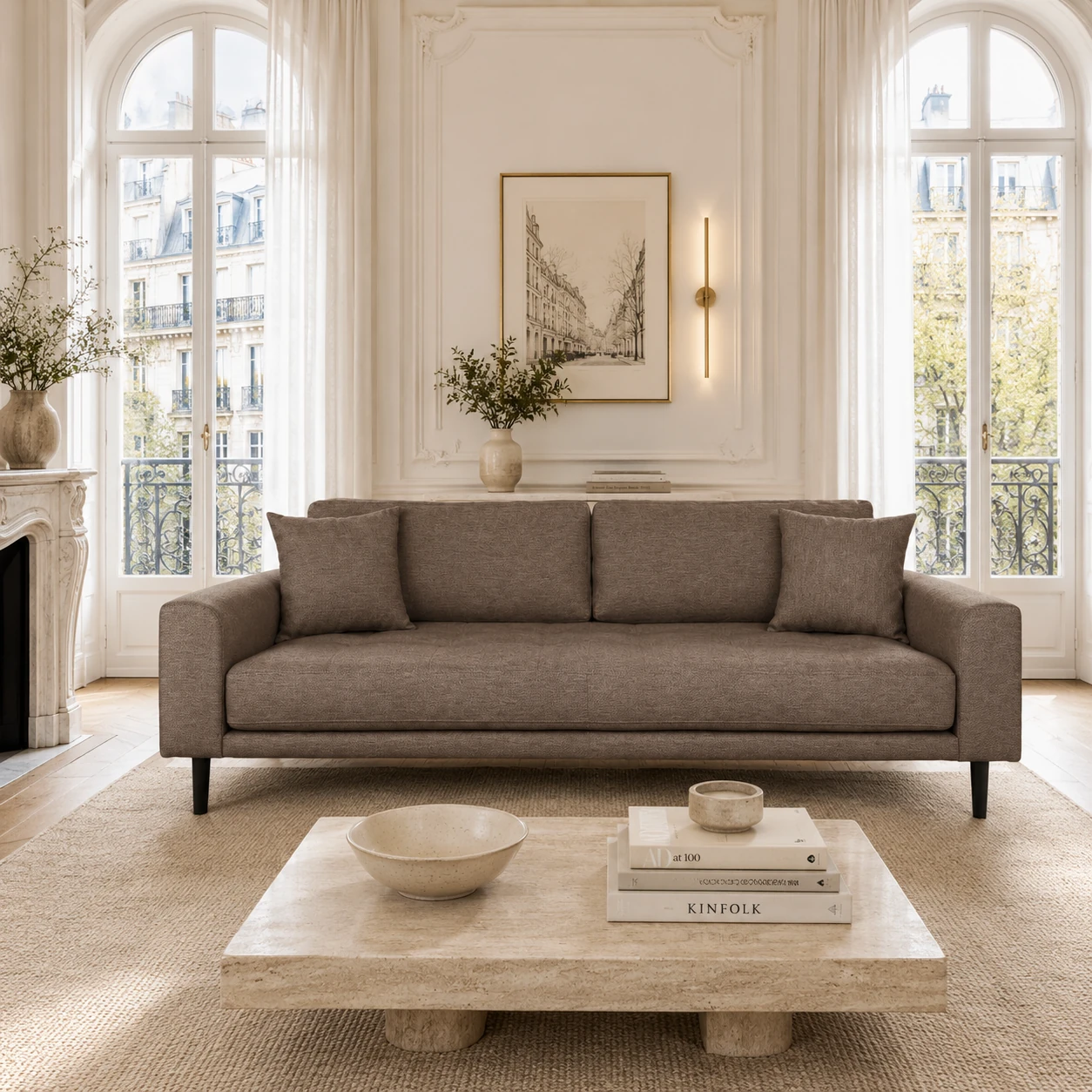
Cool grey held European interiors for the best part of fifteen years, and it is now genuinely on the way out. Every 2027 colour forecast published this season lands in the same place: warm neutrals, clay, mushroom, camel and chocolate brown replacing greige and cool white as the foundation shades. Autumn 2026 is where that shift becomes visible in shops rather than in trend decks.
The problem is that brown is the new grey gets read as a swap, one flat colour out and another flat colour in. Done that way it looks worse than the grey it replaced, because grey at least recedes and a bad brown does not. This guide covers the undertone test that decides whether a brown works in your light, the four-brown ladder that keeps a room from flattening, and how to make the switch without replacing the furniture you already own.
Why grey is actually going
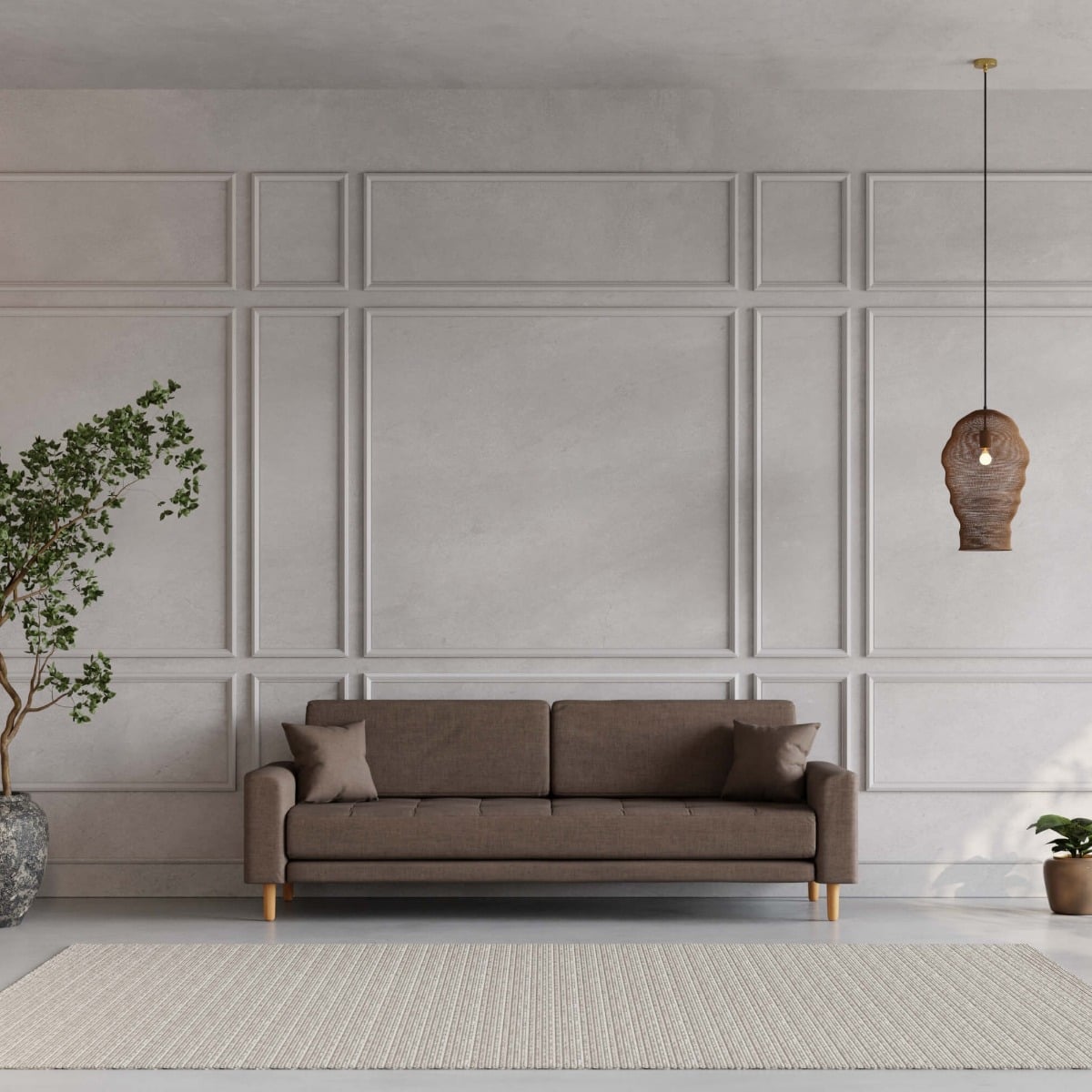
Grey won because it was safe. It photographed well, it matched everything and it hid nothing, which is exactly why rooms furnished in it now read as a period rather than as neutral. The specific thing that dated is the cool undertone: grey-washed oak, cool white walls, silver-grey upholstery, chrome. Put together, that combination pulls all the yellow out of a room, and under northern European daylight, which is already blue-shifted for most of the year, the result reads clinical from about October onwards.
What has replaced it is not one colour but a family: brown at four different depths, held together by a warm undertone. The forecasts name mushroom, oat, clay, terracotta softened towards clay rather than Southwestern, camel, caramel and chocolate. In furniture that shows up as dark timbers coming back (walnut, teak, cherry, dark-stained oak), tan and cognac leather, and heavy tactile weaves in the brown range rather than in grey.
The test that is the whole game
Most brown schemes fail on undertone rather than on depth, and undertone is hard to judge from a phone screen or a small swatch on a shop wall. There is a reliable physical test that takes ten seconds: hold the sample against a sheet of white printer paper, in daylight, near a window. Printer paper is close enough to neutral to work as a reference, and daylight is the only light that tells you the truth.
Warm brown
Held against the paper, a warm brown looks faintly red, orange or pink. It sits well with oak, walnut, brass and cream, and it is the undertone most people mean when they say chocolate or caramel.
Cool brown
A cool brown looks faintly purple or grey against the paper. These are the browns that read as old sofa rather than as chocolate, and they fight warm timber. Avoid them as the main brown in the room.
Khaki brown
A khaki brown looks faintly green or olive. It works, but only alongside other olive and clay tones. Drop one next to a cognac leather chair and both look wrong.
Do this with everything before it enters the room: upholstery samples, timber finishes, paint testers, even a cushion. Mixing a warm brown sofa with a cool brown rug is the single most common reason an earthy scheme looks muddy, and it is invisible until the two are in the same room.
The four-brown ladder
A room needs brown at more than one depth or it flattens. Think of it as four rungs, and aim to hit at least three of them.
The proportion that works in practice is roughly 60 percent pale, 25 percent mid and deep combined, and 15 percent split between the near-black accents and one non-brown colour. That last part matters, and it is covered below.
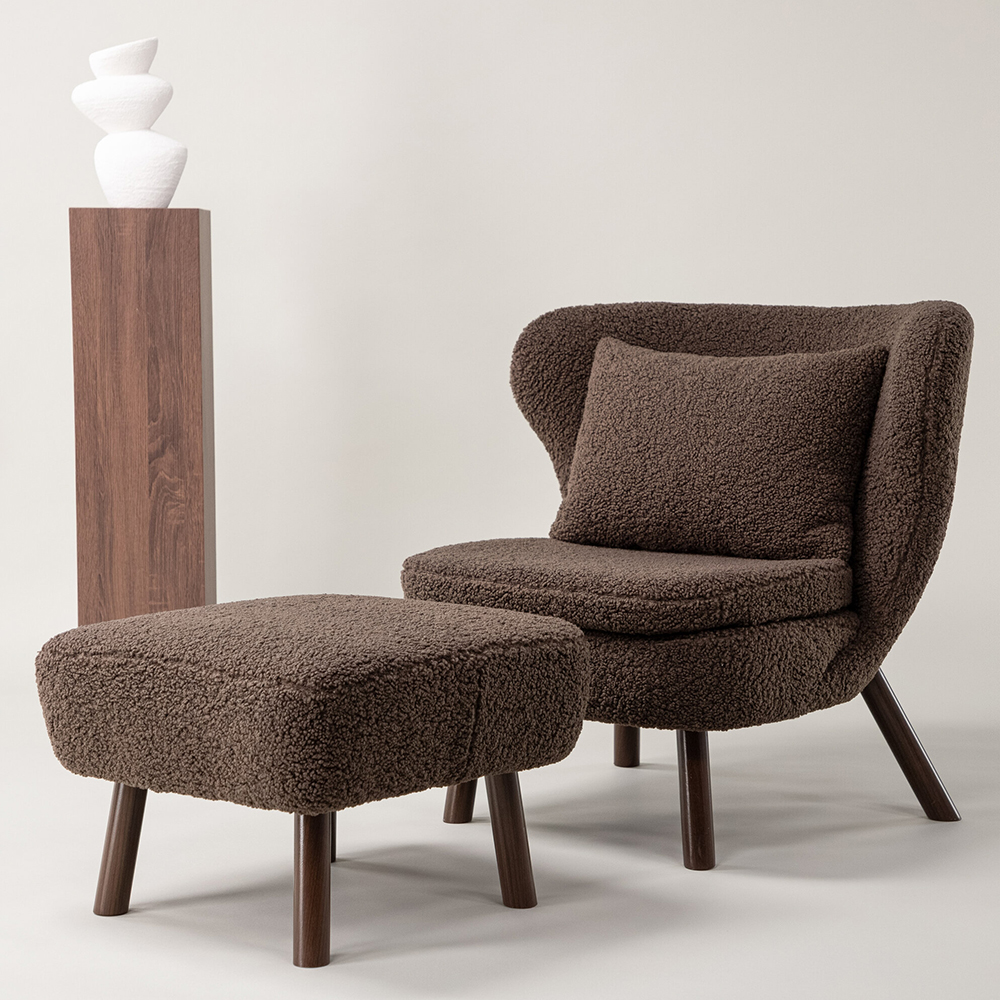
Earthy brown pieces from this guide
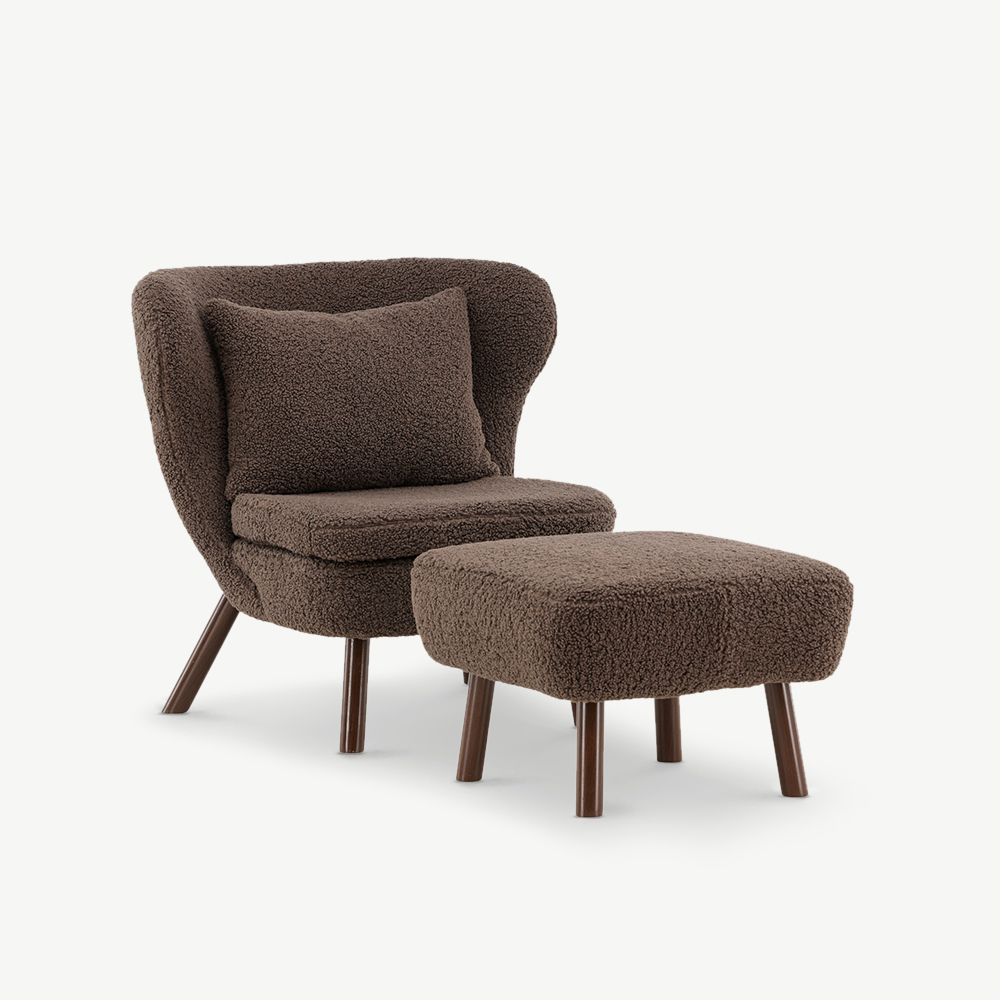
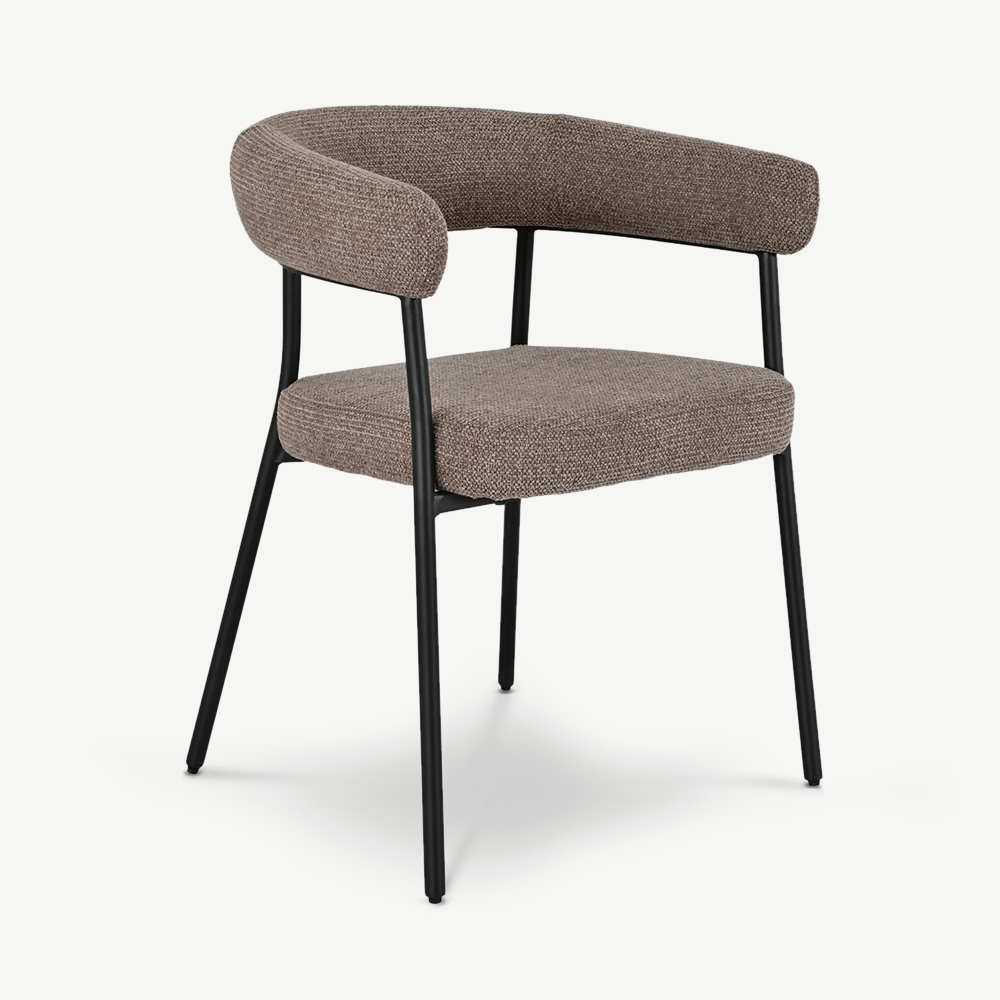
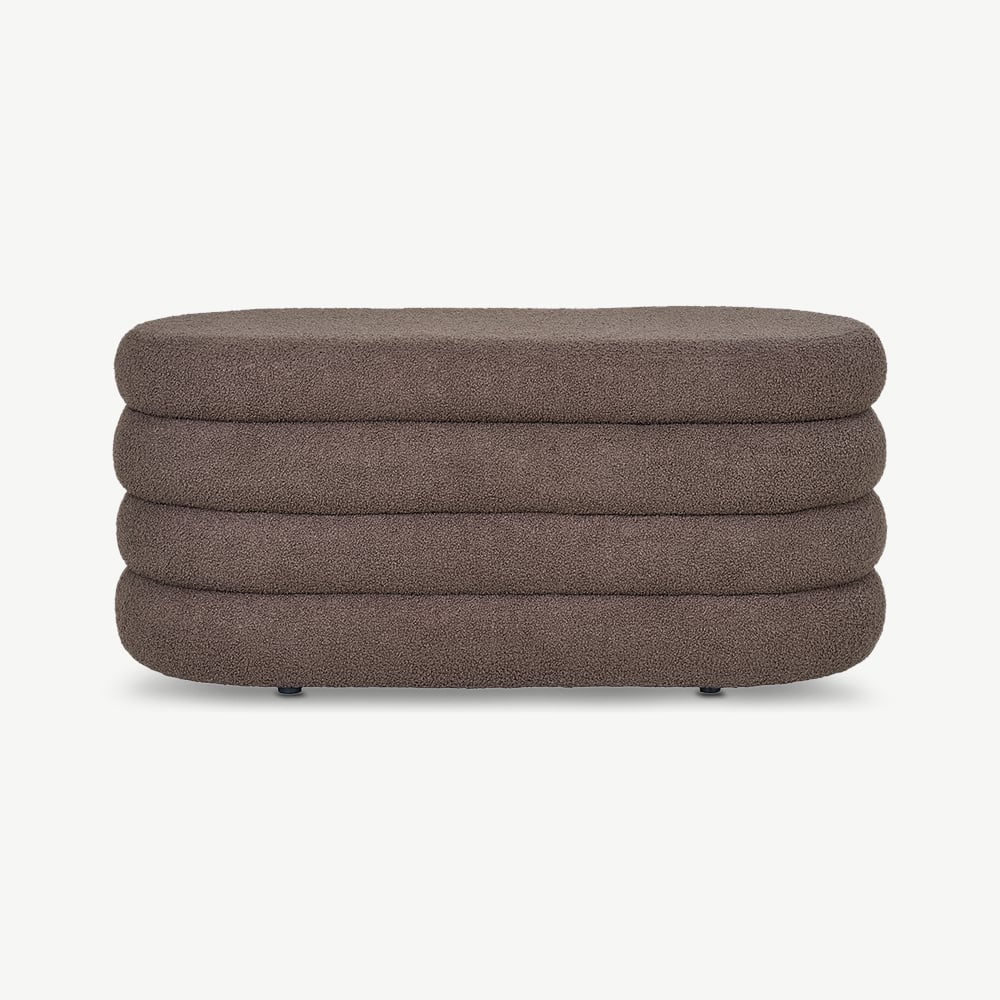

Brown needs one thing that is not brown
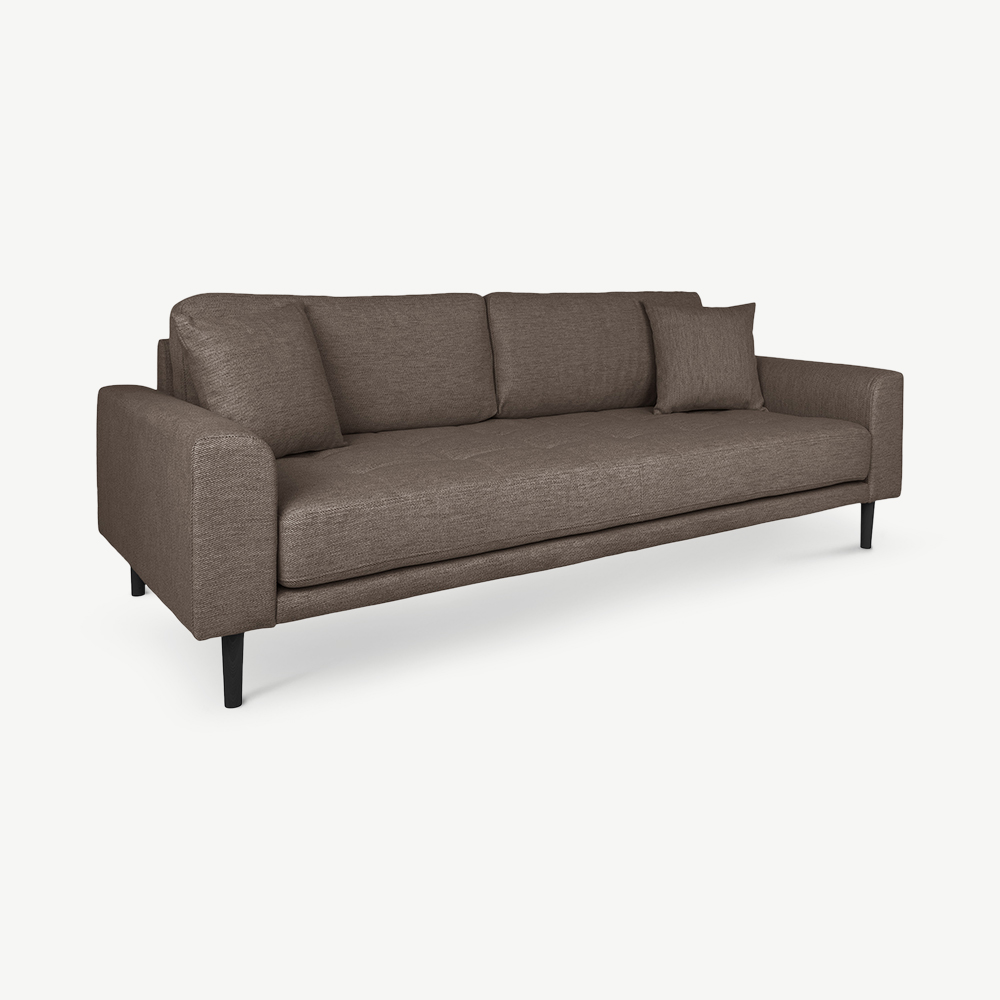
An all-brown room reads as a sepia photograph. It needs a single counterpoint, and the choice of counterpoint decides whether the room feels current or nostalgic.
- Olive or forest green: the safest and most natural, because green and brown occur together in every landscape anyone has ever looked at. It reads calm and works in every room type.
- Ice blue or pale grey-blue: the sharpest. The cool note against chocolate brown stops the scheme feeling heavy, and it is the pairing that most clearly signals 2026 rather than 2005. Use it in small amounts: one cushion, one ceramic, the lining of a curtain.
- Burgundy or plum: the richest and most seasonal. It lifts brown towards evening and dining rooms and away from daytime living rooms.
- Cream is not a counterpoint: it is rung one of the ladder wearing a different name. A brown and cream room is a one-idea room.
How to switch without replacing anything
This is the part most trend pieces skip. If you already own a grey room, you are not going to rebuy a sofa because a forecast changed, and you do not have to. Grey and brown coexist perfectly well as long as the grey stops being the story.
Our Earthy Tones Collection is built around rungs one to three, and Colours of October covers the deeper autumn counterpoints.
Five pieces that carry an earthy room
Five pieces do most of the work in an earthy scheme. Get these right and the rest is styling.
Four mistakes that make brown look dated
One brown at one depth. A brown sofa, brown curtains and a brown rug all in the same tone is the 2005 version of the trend. Three rungs minimum.
Mixing warm and cool browns. The undertone test exists for this. A purple-brown rug under a red-brown sofa makes both look dirty, and no amount of styling fixes it.
Keeping chrome. Chrome and polished nickel throw a hard cool reflection that undoes a warm palette at every fitting, handle and lamp base. Brushed brass, bronze and blackened steel are the equivalent moves in a warm scheme.
Going dark in a north-facing room without lifting the base. Chocolate walls in a room that gets no direct sun is a real design choice, but it only works if the floor, the rug and the ceiling are pulling the other way. In a small north-facing room, keep the deep browns on the furniture and leave the walls on rung one.
Brown, done properly
One brown is a swap. Four browns is a scheme.
Grey is losing its role as the automatic safe choice, but the warm palette that replaces it only works if the undertone is right and the depth is layered. A single flat brown looks worse than the grey it replaced, while a room built on the four-brown ladder, with one note that is not brown, looks considered rather than trend-led.
Start with the light and the textiles, add one deep timber piece, and let the palette build from there. Browse the Earthy Tones Collection for rungs one to three, or Colours of October for the deeper autumn counterpoints.
Frequently asked.
Is brown really replacing grey in 2027?
Yes, in the sense that warm neutrals are replacing cool ones as the default foundation shade. The 2027 forecasts consistently name mushroom, oat, clay, camel and chocolate brown where the previous decade named greige and cool white. Grey is not disappearing from interiors, it is losing its role as the automatic safe choice.
What colours go with brown furniture?
Olive and forest green are the most natural partners, ice blue is the sharpest and most current, and burgundy or plum is the richest. Cream and oat work as the base layer rather than as accents. Avoid pairing brown with cool grey as the main second colour, because the two undertones cancel each other and the room reads muddy.
Does a brown sofa make a small room look smaller?
A dark sofa reads heavier than a pale one, but the thing that actually shrinks a small room is low contrast between the furniture and the floor. A chocolate sofa on a pale oat rug in a small room looks deliberate. The same sofa on a dark floor with no rug looks like the room has been filled in. Keep the largest horizontal surfaces pale and the deep brown can be any size.
How do I tell a warm brown from a cool brown?
Hold the sample against white printer paper in daylight. Warm browns look faintly red, orange or pink against the paper. Cool browns look faintly purple or grey. Khaki browns look faintly green and need other olive tones around them to work. This test is more reliable than any product name, because "chocolate" and "taupe" are used for both warm and cool versions.
Can I mix brown and black furniture?
Yes, and it is one of the more useful combinations. Blackened metal and near-black timber act as the fourth rung of the ladder: they define edges and stop several browns from blurring together. Keep black to frames, legs, hardware and lamp bases rather than large upholstered surfaces, where it competes with the deep brown instead of supporting it.
